
Blog
4 Tips for Stress-Free Travelling
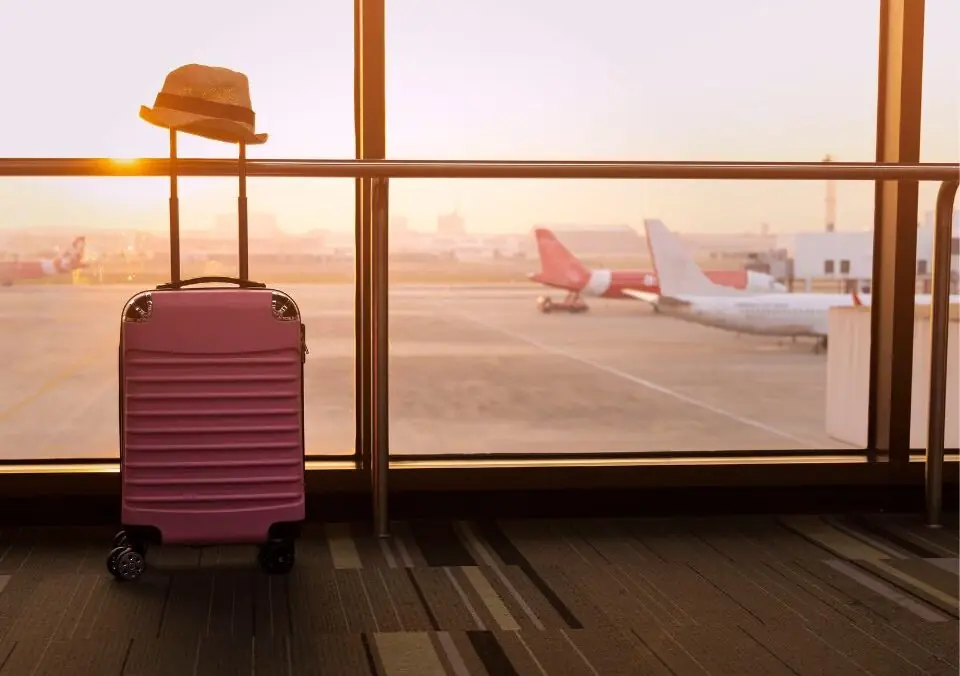
Traveling is one of life’s great pleasures. It allows us to explore new cultures, savor unique cuisines, and create lasting memories. Moreover, taking a break from our daily routines often rejuvenates our spirits and brings a sense of adventure. However, despite the excitement, traveling can also lead to certain challenges. Straying from our usual eating, exercising, and sleeping routines can introduce stress, especially if you are trying to maintain a healthy lifestyle or manage specific dietary needs.
This guide will delve into practical strategies to ensure your travels remain enjoyable and stress-free, combining the right preparation and mindfulness techniques with a focus on health and well-being.
1. Pack Your Own Food
Why Packing Food Matters
One of the foremost challenges when traveling is maintaining your dietary habits. This can be especially crucial for those with food allergies or specific dietary restrictions—like gluten-free, vegan, or low-carb diets. Bringing along your healthy snacks or meals can alleviate this stress. Not only does it reduce the risk of accidentally consuming something harmful, but it also allows you to eat what you genuinely love and prefer, ensuring you stick to your health goals.
Healthy Snack Ideas
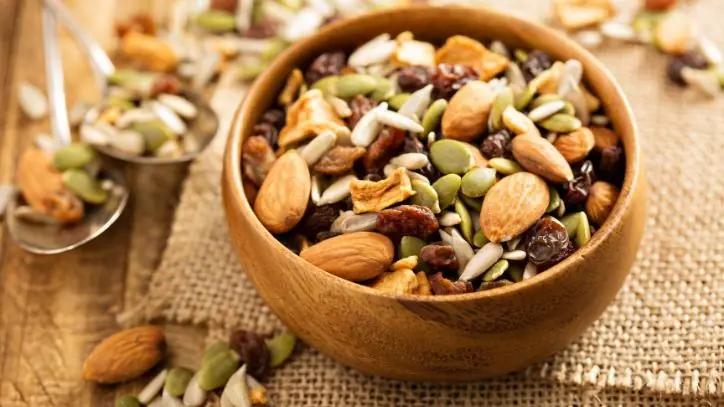
- Nuts and Seeds: Packed with protein and healthy fats, nuts like almonds, walnuts, and pumpkin seeds make excellent travel companions. They provide energy and can keep you satisfied during long journeys.
- Nut Butter Packs: Individual packets of natural nut butter can be eaten with apples, celery, or even on their own for a convenient source of protein.
- Dried Fruits: An ideal snack for a quick sugar boost, opt for options without added sugars or preservatives.
- Whole Grain Wraps: If you have access to a fridge, you can pack whole grain wraps filled with your choice of proteins, veggies, and dips.
Resource: Learn how to prepare your travels with snacks that align with your diet here.
2. Take Along a First-Aid Kit
Importance of a First-Aid Kit
Nobody wants to experience illness or injury while traveling. The last thing you want is to be fumbling in a foreign pharmacy or searching for a hospital. A basic first-aid kit can be a lifesaver. Packing your first-aid essentials equips you for minor emergencies, such as headaches, cuts, or allergic reactions.
Items to Include in Your First-Aid Kit
- Bandages and Gauze: For minor cuts and scrapes.
- Pain Relievers: Ibuprofen or acetaminophen can help alleviate discomfort from headaches, body aches, or fever.
- Antihistamines: Useful for allergies or insect bites. Remember to check the active ingredients and ensure they are suitable for your condition.
- Antacids: Ideal for travelers who may experience heartburn or indigestion, especially after trying new foods.
Resource: To see a comprehensive list of items to include in your first-aid kit, check out the CDC’s first-aid kit guidelines.
3. Don’t Neglect Exercise
The Importance of Staying Active
Physical activity is essential for both physical and mental health. It releases endorphins which create feelings of happiness and euphoria. Even if you are on vacation, integrating exercise into your day can help you maintain your fitness levels and reduce travel-related stress.
Ways to Stay Active While Traveling
- Hotel Gyms: Many hotels have basic gym facilities. Take advantage of this before starting your day.
- Walking Tours: Many cities offer free or low-cost walking tours. These can provide both exercise and insight into your new surroundings.
- Create a Daily Routine: Set a schedule for your travel days that includes a specific time for physical activity, whether that’s an early morning run or a mid-afternoon yoga session.
- Bodyweight Exercises: No gym? No problem! Consider bodyweight exercises like push-ups, squats, or lunges that can be done in your hotel room.
Resource: For more detailed travel workout tips, visit Healthline’s guide on staying fit while traveling.

4. Stay Well Hydrated
Why Hydration is Key
Often, travelers forget to drink enough water during their trips. Whether it’s the excitement of new experiences or the reluctance to stop for restroom breaks, dehydration is common. However, staying well-hydrated can significantly enhance your overall travel experience, keeping your body functioning optimally and helping you conquer fatigue and jetlag.
Tips for Staying Hydrated
- Carry a Reusable Water Bottle: Refill throughout the day to ensure you meet your hydration needs without resorting to sugary drinks.
- Set Reminders: Use your phone or a hydration app to set reminders to drink water. This can help you develop a habit even while on the go.
- Check Local Water Quality: If you’re unsure about the tap water quality, research or ask locals whether it’s safe to drink. If necessary, consider packing a portable water purifier.
Resource: For a deeper understanding of the importance of hydration, refer to this detailed article from Mayo Clinic.
Additional Tips for a Stress-Free Travel Experience
While the above strategies are among the most effective for ensuring health and wellness while traveling, here are additional tips to make your voyages even more pleasurable:
Plan Ahead
Create an Itinerary: While spontaneity is part of the joy of traveling, having a rough itinerary can help streamline your experience. Include details such as accommodations, places of interest, dining options, and activity schedules.
Book Accommodations Wisely: Choose lodgings that meet your needs. If you require specific amenities (like a kitchen for cooking), check reviews and confirm features before you book.
Embrace Mindfulness
Practice Relaxation Techniques: Fear of flying, anxiety over unfamiliar territories, or overall travel stress can be alleviated through mindfulness practices. Techniques such as deep breathing exercises, meditation, or yoga can ground you.
Stay Flexible: Not everything will go according to plan; flights may be delayed, and weather might interfere with your travel schedule. Embracing a flexible attitude will enhance your experience and make you more resilient to changes or challenges.
Make Room for Rest
Prioritize Sleep: Travel, especially across time zones, can disrupt your sleep patterns. Make sleep a priority by establishing a calming bedtime routine and avoiding screens before sleeping.
Take Breaks: Allow yourself moments of downtime while exploring. This could be as simple as sitting in a park, enjoying the view, or indulging in a local café.
Conclusion
Traveling offers a wealth of experiences and opportunities for personal growth. By preparing with strategies such as packing your own food, bringing along a first-aid kit, including exercise in your routine, and ensuring proper hydration, you can mitigate stress and focus on the joy of exploring new places.
Remember to embrace flexibility and mindfulness during your travels. Ultimately, the most important aspect of any trip is to savor the experiences, create lasting memories, and return home feeling refreshed and rejuvenated.
For more travel articles, check out the Fill Your Plate blog!



Featured Recipes


COTTAGE CHEESE & BLUEBERRY BREAKFAST BAKE
Read More


Warm Your Soul Lasagna Soup
Read More
Pear Lime Jello Salad
Read More