
Blog
Arizona Agriculture Offers a Variety of Foods Rich in Vitamin K
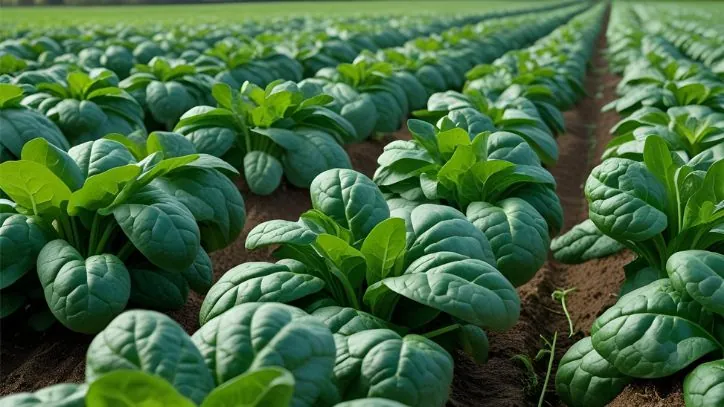
When thinking about nutrition, we often hear discussions surrounding the essential vitamins and minerals that contribute to our overall health. Most of the time, vitamins such as C, D, and B-complex take center stage. However, vitamin K is an essential nutrient that often flies under the radar. This important vitamin plays a crucial role in several critical functions within our body, and it can be easily obtained through a variety of foods. Interestingly, many of these foods rich in vitamin K are produced right here in Arizona, making it easier than ever for residents and visitors alike to incorporate this vital nutrient into their diets.
Understanding Vitamin K
So, what is vitamin K exactly? According to registered dietitian Julia Zumpano, vitamin K is classified as a fat-soluble vitamin, meaning that it requires dietary fat for absorption in the body. Its primary function is to support the body in developing and functioning appropriately. The most well-known role of vitamin K is its critical part in blood coagulation—ensuring that our blood clots properly. This is vital for wound healing and preventing excessive bleeding.
In addition to its role in blood clotting, vitamin K is also essential for maintaining strong bones. Studies indicate that a sufficient intake of vitamin K can help reduce the risk of fractures by aiding in calcium regulation within the bones and the bloodstream. This vitamin supports the synthesis of osteocalcin, a protein that is crucial in bone formation and maintenance.

Types of Vitamin K
There are two primary forms of vitamin K: K1 (phylloquinone) and K2 (menaquinone). Vitamin K1 is found mainly in green leafy vegetables, while vitamin K2 is more prevalent in animal products and fermented foods. Both forms are important for our health, but they play slightly different roles in the body. Harvard Health points out that vitamin K1 is predominantly involved in blood clotting, while vitamin K2 is more associated with bone health and cardiovascular health.
- Vitamin K1 (phylloquinone): Found in high amounts in green leafy vegetables such as spinach, kale, and broccoli.
- Vitamin K2 (menaquinone): Found in animal products, cheese, and fermented foods like natto (a fermented soybean dish popular in Japan).
Sources of Vitamin K in Arizona Agriculture
Arizona is a treasure trove of agricultural produce that provides ample sources of vitamin K. The state’s diverse climate allows farmers to cultivate a variety of crops year-round, including numerous leafy greens and other vegetables. Here are some specific foods rich in vitamin K available in Arizona:
1. Leafy Greens
Leafy greens are the best-known sources of vitamin K1. Some of the most common leafy greens found in Arizona include:
- Kale: Packed with nutrients, kale is one of the most nutrient-dense foods you can eat. It is an excellent source of vitamin K and can be easily added to salads, smoothies, or steamed as a side dish.
- Spinach: Similar to kale, spinach is a vitamin K powerhouse. Whether used fresh in salads or cooked in dishes like omelets, spinach is not only versatile but also incredibly nutritious.
- Swiss Chard: This leafy green has a slightly bitter taste but is enjoyed in many dishes. It is also rich in vitamin K, making it a great addition to any meal.
2. Cruciferous Vegetables
Cruciferous vegetables, known for their health benefits, are also good sources of vitamin K. Some examples include:
- Broccoli: This vegetable is versatile and can be consumed steamed, roasted, or even raw. Not only is broccoli a source of fiber, vitamins, and minerals but it also contributes to your vitamin K intake.
- Brussels Sprouts: These mini cabbages are rich in nutrients, including vitamin K. They can be roasted, sautéed, or steamed for a delicious side dish.
3. Other Vegetables
Certain other vegetables also provide good amounts of vitamin K:
- Green Beans: Often overlooked, green beans are a great side dish option and contain decent levels of vitamin K.
- Peas: Fresh or frozen peas can be added to a variety of meals and provide an additional source of vitamin K.
4. Animal Products
While leafy greens are the primary source of vitamin K, certain animal products also contain vitamin K2. In Arizona, you can find these sources:
- Eggs: Whole eggs are not only a great source of protein but also contain vitamin K2. They are versatile and can be prepared in numerous ways, from boiled to scrambled.
- Cheese: Many types of cheese, particularly hard cheeses, are also good sources of vitamin K2. Incorporating cheese into your diet can help you meet your vitamin K needs.
5. Fermented Foods
Although less common in typical Western diets, fermented foods are incredibly beneficial and often rich in vitamin K2. An example of a fermented food that contains vitamin K2 is natto, a Japanese dish made from fermented soybeans. While natto may not be widely available, more local stores and farmers’ markets are beginning to feature it due to the growing interest in fermented foods.
How to Incorporate Vitamin K into Your Diet
Achieving adequate vitamin K levels through diet is more accessible than you might think, especially for residents of Arizona. Here are some simple ideas on how to include more vitamin K-rich foods into your meals:
Breakfast
- Start your day with a smoothie packed with spinach or kale. Blend leafy greens with fruits like bananas or berries, Greek yogurt, and a scoop of nut butter for a nutritious start.
- Consider an omelet filled with chopped vegetables like kale, tomatoes, and mushrooms, along with a sprinkle of cheese for added flavor and benefits.
Lunch
- Create a vibrant salad featuring mixed greens, shaved Brussels sprouts, and toppings like hard-boiled eggs, nuts, seeds, and a light vinaigrette.
- Serve a side of steamed broccoli or grilled asparagus alongside your protein for lunch, ensuring you enjoy both the taste and the health benefits.
Dinner
- Incorporate roasted vegetables like Brussels sprouts and carrots into your dinner dishes. You can season them with olive oil, garlic, and herbs for a delicious and nutritious side.
- Use greens like Swiss chard or collard greens in stir-fries or as a wrap for protein options such as chicken or tofu.
Snacks
- Snack on sliced cucumbers and bell peppers with a creamy avocado dip or hummus. Not only are these snacks healthy, but they also provide various vitamins and minerals.
- Enjoy a handful of mixed nuts paired with a piece of cheese for a satisfying, vitamin K-rich snack.

Health Implications of Vitamin K Deficiency
Vitamin K deficiency is relatively rare in healthy adults because our bodies require only small amounts. However, certain populations can be at risk for deficiency, including individuals with:
- Malabsorption Disorders: Conditions that impair absorption, such as celiac disease or Crohn’s disease, can lead to low vitamin K levels.
- Long-term Antibiotic Use: Certain antibiotics may disturb the gut bacteria that play a role in producing vitamin K2.
- Medical Conditions: Liver disease and fat malabsorption can lead to deficiencies in vitamin K.
Signs of vitamin K deficiency may include easy bruising, excessive bleeding, and an increased risk of fractures due to weakened bone structure. If you suspect you might be at risk for deficiency, it’s essential to consult with a healthcare professional for assessment and recommendations.
Choosing Arizona-Grown Products
One of the best ways to ensure you receive fresh, nutrient-rich foods is to choose locally grown products. Arizona’s agricultural landscape provides a wide variety of options that are not only delicious but also support local farmers. The state’s warm climate allows for year-round production, making it easier to access fresh produce.
Farmers’ Markets
Consider visiting local farmers’ markets to explore a range of fresh vegetables, fruits, and dairies. The Arizona Farmers’ Markets website can help you locate markets near you, showcasing the best Arizona-grown products.
Community Supported Agriculture (CSA)
Participating in a CSA program is another fantastic way to obtain fresh produce from local farms while discovering what’s in season. This direct connection to farmers allows you to receive boxes filled with freshly harvested veggies, which often include vitamin K-rich options.
Eating Seasonally
Eating seasonally can enhance both your health and your culinary experience. When you consume seasonal produce, it is generally fresher and more flavorful. Additionally, seasonal eating often aligns with the availability of vitamin K-rich foods, allowing you to maximize your nutrient intake throughout the year.
Conclusion
Vitamin K is a vital nutrient that should not be overlooked. With its key roles in blood clotting and bone health, it is important to ensure an adequate intake through dietary sources. Fortunately, Arizona’s agriculture offers a wide variety of foods rich in vitamin K, making it easier than ever for residents to incorporate this essential vitamin into their meals.
From leafy greens such as kale and spinach to animal products like eggs and cheese, there is no shortage of delicious options to choose from. By making a conscious effort to include these foods in your diet, you can support your overall health while enjoying the bounty that Arizona has to offer.
For more health-related articles, or for further information on where to find Arizona-grown products, be sure to check out the Fill Your Plate website! Embrace the opportunities Arizona’s agriculture provides, and make vitamin K a starring nutrient in your journey to better health.
By Heide Kennedy, Arizona Farm Bureau Communications Intern



Featured Recipes

COTTAGE CHEESE & BLUEBERRY BREAKFAST BAKE
Read More


Warm Your Soul Lasagna Soup
Read More

Pear Lime Jello Salad
Read More