
Blog
Different Nuts Provide Different Health Benefits

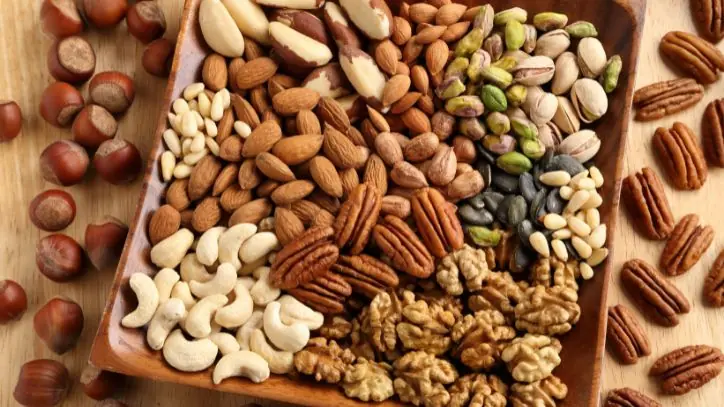
Nuts are one of my go-to snacks, particularly when I’m on the move or just need a quick, healthy option to keep me energized throughout the day. Not only are they satisfying, but their compact size makes them incredibly convenient to carry around in a bag or pocket without worrying about mess. Plus, they offer an abundance of health benefits that make them an essential addition to any diet.
According to registered dietician Maya Feller, “Nuts are a wonderful source of plant-based proteins, heart-healthy fats, vitamins, minerals, and fiber. Each contains varying amounts of these nutrients.” This variation means different nuts can provide distinct health advantages. In this article, we’ll delve deeper into the specific benefits of various types of nuts, exploring the unique contributions each can make to a healthy lifestyle.
The Nutrient Profile of Nuts
Before we dive into the individual benefits of each type of nut, let’s take a moment to discuss what makes nuts an exceptional food source. Nuts are generally high in:
- Healthy Fats: Nuts are composed mainly of unsaturated fats, which are beneficial for heart health. They help reduce bad cholesterol levels and can support overall cardiovascular function.
- Protein: Nuts are an excellent source of plant-based protein, making them a valuable protein source for vegetarians and vegans.
- Fiber: Nuts are high in dietary fiber, aiding digestion and contributing to feelings of fullness, which can help with weight management.
- Vitamins and Minerals: Different nuts provide a wide range of essential vitamins (such as vitamin E) and minerals (including magnesium and zinc), which are critical for various bodily functions.
Now, let’s explore the specific health benefits linked to different types of nuts.
Almonds: The Skin Health Superstars
Almonds are often heralded for their impressive vitamin E content, which is essential for skin health. Vitamin E is a powerful antioxidant that helps combat oxidative stress, protects skin cells from damage, and has anti-inflammatory properties.
- Skin Benefits: Regular consumption of almonds may improve skin elasticity and hydration, reducing the signs of aging. It can also help protect the skin from sun damage.
- How to Incorporate: You can snack on them raw, add them to smoothies, or use almond flour in baking for a nutritious twist. This study highlights almond benefits for skin health, emphasizing their role in maintaining skin barrier function.
Peanuts: Stress Relief and Cholesterol Management
Often categorized with legumes, peanuts are a powerhouse for stress relief and heart health. They contain high amounts of niacin and folate, which contribute to mood stabilization and overall mental wellness.
- Cholesterol Benefits: Peanuts may help reduce cholesterol levels and improve heart health by increasing HDL (good cholesterol) while lowering LDL (bad cholesterol).
- Stress Relief: The magnesium content in peanuts is linked to relaxation, aiding in stress management.
- How to Incorporate: Peanut butter on whole-grain toast, salads, or blended into smoothies can be simple ways to enjoy peanuts. Research indicates significant cholesterol-lowering effects from regular peanut consumption.
Cashews: The Heart and Blood Pressure Helpers
Cashews are delicious nuts that offer unique heart-health benefits due to their healthy fat composition. They contain largely monounsaturated fats, which are excellent for maintaining healthy blood pressure levels.
- Blood Pressure Benefits: The minerals like potassium found in cashews help regulate blood pressure, thus supporting cardiovascular health.
- Weight Management: Surprisingly, despite their calorie content, consuming cashews may aid in weight management when included in a balanced diet.
- How to Incorporate: Cashews can be added to stir-fries, blended into creamy sauces, or enjoyed on their own. A study discusses the heart health benefits of nuts, including cashews.
Pistachios: A Complete Plant Protein Source
Pistachios stand out among nuts due to their relatively high protein content and are regarded as one of the best sources of plant-based protein.
- Protein Benefits: They provide all nine essential amino acids, making them one of the few plant proteins classified as “complete.”
- Ideal Snack: Thanks to their high fiber content, pistachios can promote fullness and reduce appetite.
- How to Incorporate: Enjoy them as a whole snack or sprinkle them over salads for added crunch. Research suggests that pistachio consumption can enhance protein intake effectively.
Walnuts: Brain Health Champions
Walnuts are often referred to as “brain food” due to their high concentration of omega-3 fatty acids, particularly alpha-linolenic acid (ALA), which is essential for brain health.
- Cognitive Benefits: Regular walnut consumption is linked to improved cognitive function, including memory and learning.
- Mood Stability: Omega-3 fatty acids support overall mental health and may reduce the risk of depression.
- How to Incorporate: Add walnuts to oatmeal, salads, or baked goods. The American Journal of Clinical Nutrition has documented the cognitive benefits tied to omega-3 fatty acids found in walnuts.
Pecans: The Antioxidant Powerhouses
Pecans are rich in antioxidants, which play a critical role in reducing oxidative stress in the body.
- Heart Health Benefits: Their high fiber and healthy fat content can help lower cholesterol levels and overall heart disease risk.
- Antioxidant Support: Pecans are uniquely high in antioxidants like flavonoids, which can help reduce inflammation and combat chronic diseases.
- How to Incorporate: Use them in baked goods, added to ice cream, or as a topping for yogurt. This study explores the health benefits of nuts, with a focus on pecans and their antioxidant content.
Macadamia Nuts: The Cholesterol Lowering Nuts
Macadamia nuts are beloved for their creamy texture and rich flavor, but they also provide distinct health benefits.
- Cholesterol Benefits: They are particularly high in monounsaturated fats, which can lower levels of bad cholesterol while boosting good cholesterol.
- Anti-inflammatory Effects: The omega-3 fatty acids found in macadamia nuts may help reduce inflammation throughout the body.
- How to Incorporate: Use them in baking, eat them raw, or include them in savory dishes for added richness. Studies have shown the benefits of macadamia nuts in reducing cholesterol levels.
Brazil Nuts: Thyroid Health Guardians
Brazil nuts are unique as they are incredibly rich in selenium, a vital nutrient for thyroid health and function.
- Thyroid Benefits: Selenium is crucial for the production of thyroid hormones, and a deficiency can lead to thyroid dysfunction—highlighting the importance of including Brazil nuts in your diet.
- Antioxidant Properties: Besides supporting thyroid health, selenium is also a potent antioxidant that can help combat oxidative stress.
- How to Incorporate: Enjoy them raw, or chop them up to add to cereals and baked goods. Research highlights the role of selenium in thyroid function and overall health.

Tips for Incorporation into Diet
Incorporating a variety of nuts into your diet can be remarkably simple. Here are a few suggestions for how to enjoy the diverse benefits of nuts:
- Trail Mix: Create a custom trail mix with a combination of your favorite nuts, seeds, and dried fruit for a convenient on-the-go snack.
- Nut Butter: Try making homemade nut butter (such as almond or cashew butter) to spread on toast, use in smoothies, or eat with fruit for a nutritious treat.
- Baking: Add chopped nuts to muffins, cookies, or breads for extra texture and flavor.
- Smoothies: Blend nuts (or nut butters) into smoothies for added creaminess and nutritional value.
- Salads: Toss nuts into salads to add crunch and enhance flavor, while also boosting the overall nutrient content.
- Nut Milk: Experiment with making your own nut milk using almonds or cashews—great for smoothies, coffee, or simply sipping on its own!
- Toppings: Use nuts as toppings on yogurt, oatmeal, or desserts for added nutrition and flavor.
- Homemade Granola: Incorporate a mix of nuts into homemade granola recipes for a hearty breakfast option.
Conclusion
With a diverse range of nutrients and health benefits, nuts are an excellent choice for snacking and can easily be incorporated into various meals. From almonds supporting skin health to walnuts boosting brain function, the benefits of nuts are abundant. As with any food, moderation is key to a balanced diet, but incorporating a variety of nuts can help you tap into their unique advantages easily.
So next time you find yourself reaching for a snack, consider grabbing a handful of nuts—not just for the convenience, but for the multitude of health benefits they offer. With so many delicious options, there’s bound to be a nut (or a mix!) out there that you love. Explore the variety, enjoy the flavors, and reap the health benefits at the same time!
For more nutty articles, check out the following from Fill Your Plate!
- Need More Fiber? Add Nuts to Your Diet
- Eat More Arizona Pecans and Pistachio Nuts
- We’re Nuts about Arizona Pistachios and Pecans
- Nuts for Nuts? You Should be!
- 30 Ways to Use Nuts
By Heide Kennedy, Arizona Farm Bureau Communications Intern



Featured Recipes


COTTAGE CHEESE & BLUEBERRY BREAKFAST BAKE
Read More


Warm Your Soul Lasagna Soup
Read More

Pear Lime Jello Salad
Read More