Blog
How to Stay Hydrated in the Heat
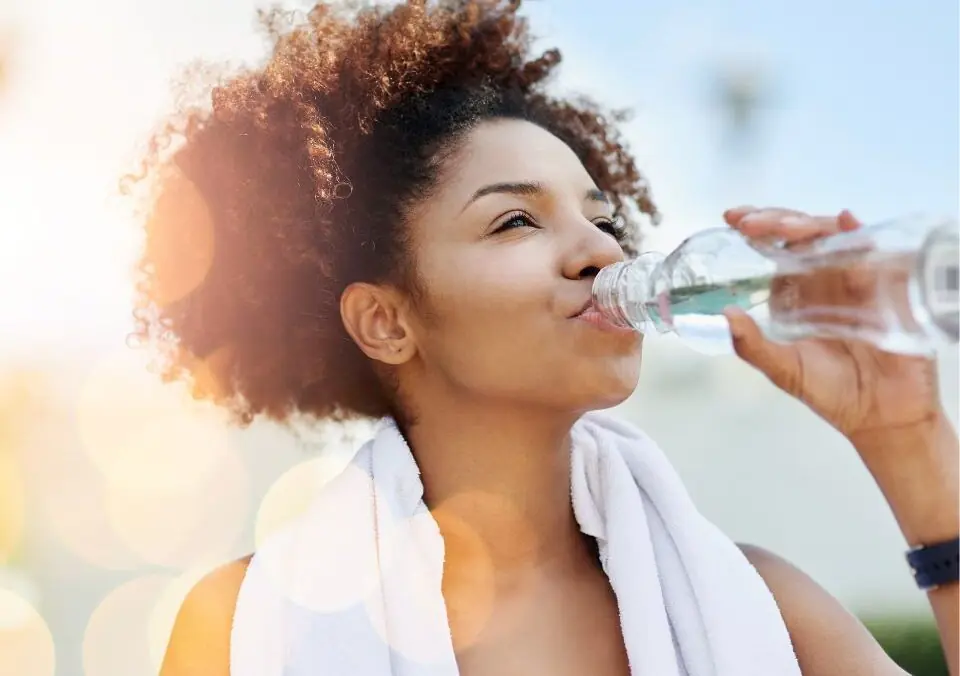
Summer is a season synonymous with a plethora of enjoyable activities—school breaks, family vacations, pool parties, and the celebration of July 4th, to name a few. However, alongside these enjoyable pastimes comes a less appealing reality: the scorching heat, which can quickly escalate to triple digits in many regions. With rising temperatures, it becomes increasingly crucial to prioritize our hydration. Staying well-hydrated is not just a matter of comfort; it’s essential for maintaining our health and well-being as we navigate through the sweltering heat. Here’s a comprehensive guide to staying hydrated during the summer months, enriched with expert insights, research, and practical tips.
Understanding Hydration and Its Importance
Before delving into the specifics of staying hydrated, it’s important to understand what hydration is and why it matters. Hydration refers to the process of maintaining the balance of fluids in your body, which is vital for numerous physiological functions. Water plays a crucial role in regulating body temperature, transporting nutrients, facilitating digestion, and supporting overall cellular function.
According to the U.S. National Academies of Sciences, Engineering, and Medicine, adequate intake of fluids varies based on age, sex, and level of physical activity. For example, men generally require about 3.7 liters (or about 15.5 cups) of total water daily, while women need approximately 2.7 liters (or about 11.5 cups). During hot weather or while engaging in strenuous activities, these requirements may significantly increase.
Signs of Dehydration
Recognizing the early signs of dehydration is crucial, especially in extreme heat. Common symptoms include:
- Thirst: The most immediate signal from your body that you need more fluids.
- Dry mouth and throat: Occurs when the body lacks adequate moisture.
- Fatigue: A general sense of tiredness and lack of energy can hint at dehydration.
- Dizziness or lightheadedness: Particularly when standing up quickly.
- Decreased urine output: Dark-colored urine is a sign that you need more fluids.
Serious dehydration requires immediate attention and can lead to complications such as heat exhaustion or heat stroke, which can be life-threatening.
Drink Water Throughout the Day
One of the simplest yet most effective ways to stay hydrated is to consistently drink water throughout the day. As registered dietitian-nutritionist Lauren Manaker points out, our bodies continuously lose fluids, so it’s best to replenish them regularly by sipping water rather than consuming large quantities all at once.
Tips for Drinking More Water:
- Keep Water Accessible: Always keep a water bottle with you, whether you’re at home, work, or on the go. This can serve as a constant reminder to sip throughout the day.
- Set Reminders: Use your phone or apps that remind you to drink water at regular intervals. Establishing a routine can greatly help in habit formation.
- Track Your Intake: Consider using a hydration app or a journal to log your water consumption. This can increase awareness and accountability.
Consume Other Sources of Hydration
While drinking water is crucial, it is not the only source of hydration. There are numerous other fluids and foods that can contribute to your daily fluid intake.
Hydrating Beverages:
- Herbal Tea and Coffee: Both can contribute to hydration levels. Though they contain caffeine, which acts as a diuretic, moderate consumption won’t lead to dehydration. For more benefits, explore the health effects of tea on hydration and overall health.
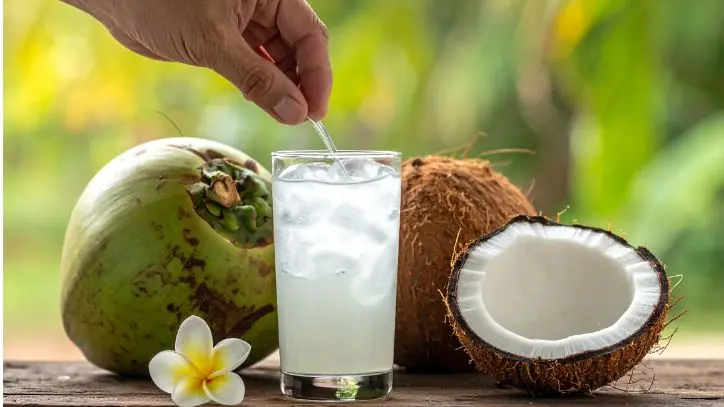
- Coconut Water: This natural electrolyte-rich beverage is excellent for rehydration, especially after physical activities.
- Infused Water: Enhance the taste of plain water by infusing it with fresh fruits, herbs, or vegetables. Popular combinations include lemon and mint or watermelon and basil. This can encourage more frequent water intake.
- Sports Drinks: These can be beneficial during prolonged exercise, as they contain electrolytes that help in maintaining fluid balance.
Hydrating Foods:
In addition to drinks, certain foods are naturally high in water content and can help meet hydration needs. Consider incorporating the following:
- Cucumbers: Composed of about 96% water, cucumbers are one of the most hydrating food options available. Try them in salads or as a snack with hummus.
- Watermelon: With roughly 92% water content, watermelon is a refreshing choice. It’s also rich in vitamins A and C.
- Celery: Known for its crunch, celery contains about 95% water, making it another excellent hydrating food option.
- Broths and Soups: These can be particularly beneficial, especially if consumed as part of a meal or when feeling under the weather. Explore the benefits of broth and health.
Incorporating these hydrating foods and drinks into your diet not only helps with hydration but also provides essential nutrients for overall health.
Get Enough Water in General
While it’s not ideal to consume a large amount of water all at once, it’s advisable to drink enough throughout the day to avoid health issues, as noted by Manaker. Insufficient hydration can lead to serious health issues, including urinary tract infections (UTIs) and kidney problems. According to the Mayo Clinic, even mild dehydration can impair physical performance and cognitive function.
Strategies for Boosting Daily Water Intake:
- Start Your Day with Water: Begin your day by drinking a glass of water first thing in the morning. This can help kickstart your hydration.
- Pair Water with Meals: Try drinking a glass of water before or during meals to establish a routine that encourages fluid intake.
- Opt for Larger Glasses: Research suggests that using taller glasses can lead to increased water consumption, as people tend to pour larger servings.
- Flavor Your Water: If plain water seems unappealing, consider flavoring it with lemon, lime, or orange slices, or purchasing flavored water options that are low in sugar.
Stay Hydrated During Outdoor Activities
Participating in outdoor activities during hot summer months poses an additional challenge to staying hydrated. Whether you’re hiking, playing sports, or enjoying a day at the beach, it’s crucial to plan ahead.
Tips for Outdoor Hydration:
- Hydration Stations: When at events or festivals, locate hydration stations where water is available for refills. Always fill your water bottle before leaving your home.
- Know Your Activity Level: Adjust your hydration needs according to the intensity and duration of your activities. For high-intensity exercise, consider drinking water with electrolytes.
- Avoid Excess Caffeine: While enjoying summer beverages, be cautious with those containing caffeine. Overconsumption can hinder hydration levels.
- Monitor Color of Urine: A practical method to gauge hydration levels is to monitor the color of your urine. Light yellow typically indicates adequate hydration, while darker shades suggest dehydration.

Staying Hydrated for Different Age Groups
Hydration needs can differ significantly across age groups. Children, adults, and the elderly all have varying requirements and should be approached differently in terms of hydration.
Hydration for Children:
Children may not always recognize when they’re thirsty, making it essential for parents to encourage regular water intake, especially during play. According to the Centers for Disease Control and Prevention (CDC), kids should drink water before, during, and after physical activities.
Hydration for Adults:
Working adults, particularly those in professions involving physical labor, should be proactive in ensuring hydration throughout the workday. Consider creating a friendly competition with co-workers to encourage everyone to drink more water.
Hydration for Older Adults:
The elderly are particularly susceptible to dehydration due to a diminished sense of thirst and potential health issues. It’s essential to regularly remind older adults to drink fluids and provide accessible hydration options within their living environments.
Conclusion: Make Hydration a Priority
As summer unfolds and temperatures soar, staying hydrated should be a top priority for everyone. By incorporating the strategies discussed above and remaining mindful of your body’s needs, you can ensure that you stay refreshed and energized throughout the season. Remember to drink water consistently, consume other hydrating beverages and foods, and be aware of the signs of dehydration.
Ultimately, maintaining proper hydration not only enhances comfort but also supports overall health and wellness. Make these practices a part of your daily routine, and enjoy all that summer has to offer!
For more health-related information and recommendations, check out the Fill Your Plate blog. Enjoy a healthier and more hydrating summer!
By Heide Kennedy, Arizona Farm Bureau Communications Intern



Featured Recipes

COTTAGE CHEESE & BLUEBERRY BREAKFAST BAKE
Read More


Warm Your Soul Lasagna Soup
Read More

Pear Lime Jello Salad
Read More