Blog
Nightshades – Inflammatory or Anti – Inflammatory?
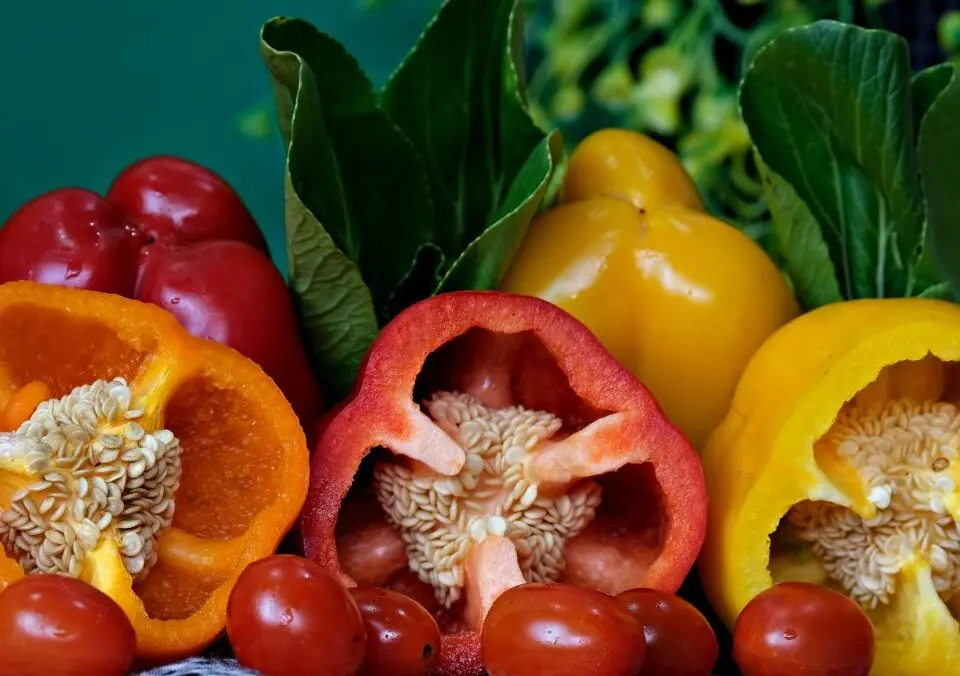
Growing up, I absolutely LOVED hot sauce and anything spicy in general. My fridge was stocked with an array of hot sauces that I would drizzle over almost every meal (except sweet foods, of course). In my opinion, the spicier the food, the better! However, as I entered my twenties, I began to notice that my body was reacting differently. I found myself feeling unusually sensitive to peppers and, to my surprise, even to potatoes and tomatoes. After some investigation, I discovered that I have a sensitivity to a group of vegetables known as nightshades.
Nightshades have long been a subject of debate among nutritionists and health enthusiasts. Many claim these plants to be inflammatory, while others argue that they possess anti-inflammatory properties. This ambiguity inspired me to delve deep into the complexities surrounding nightshades, their health implications, and how they might affect you.
What Are Nightshades?
Nightshades refer to a diverse group of plants scientifically categorized under the Solanaceae family. According to Dr. Carolyn Williams, one of the notable members of this family, nightshades produce a toxic compound known as glycoalkaloids. This compound serves as a natural defense mechanism for the plants against pests and diseases.
Common nightshades include:
- Tomatoes
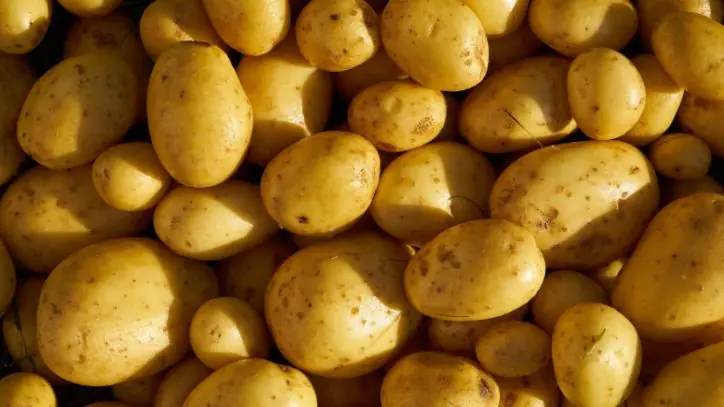
- Potatoes (specifically white and russet varieties)
- Peppers (both sweet and hot varieties)
- Eggplant
- Tomatillos
In addition to these, there are other less common nightshade plants like goji berries and paprika. As you can see, the nightshade family is quite broad, and many of these foods are staples in various cuisines around the world.
The Inflammatory Debate
The core of the nightshade debate centers on their potential to cause inflammation. Many food and health enthusiasts warn of the inflammatory effects of nightshades. The main argument lies in the fact that solanine, the most prevalent glycoalkaloid, can be toxic in high amounts. While nightshades contain various levels of glycoalkaloids, actual poisoning from consuming nightshades is exceedingly rare. According to MedlinePlus, serious toxicity typically occurs from consuming the green parts of the plants or the unripe fruits.
Conversely, many experts, including Dr. Williams, suggest that nightshades may actually be anti-inflammatory. She highlights the impressive array of antioxidants found in these fruits and vegetables, alongside their nutritional benefits, including high vitamin C and fiber content. Antioxidants are known for their role in combatting oxidative stress in the body, which can, in effect, reduce inflammation.
The answer to whether nightshades are good or bad for you may lie in individual sensitivity. This reinforces the notion that food impacts each person differently, depending on their unique biology and health conditions.
Personal Sensitivities and Reactions
As I mentioned, I personally experience sensitivities to nightshades. This phenomenon isn’t uncommon. It is speculated that nightshades don’t necessarily incite inflammation for everyone; instead, for individuals like me, the glycoalkaloid solanine can trigger pre-existing inflammation or irritation. Dr. Williams notes that those with autoimmune conditions or gastrointestinal issues such as irritable bowel syndrome (IBS) are more susceptible to these reactions.
Common symptoms of nightshade sensitivity may include:
- Stomach cramping
- Bloating
- Joint pain
- Skin irritation
- Fatigue
For some individuals, consuming nightshades can lead to digestive discomfort and other inflammatory symptoms, reinforcing the need to be aware of how one’s body reacts to certain foods.
Nutrition and Health Benefits of Nightshades
Despite the possible sensitivities, nightshades are nutrient-dense vegetables that can provide numerous health benefits. Here are some highlights:
- Rich in Antioxidants: Tomatoes, for example, are rich in lycopene, a powerful antioxidant that has been linked to a reduced risk of heart disease and certain cancers. Research indicates that lycopene is particularly effective in reducing the risk of prostate cancer.
- High in Vitamins: Potatoes, especially when enjoyed with skin, are an excellent source of vitamins C and B6, potassium, and dietary fiber. A potato can provide a good chunk of your daily potassium needs, which is vital for heart health.
- Low-Calorie and Filling: Eggplants are low in calories and high in fiber, making them an excellent choice for weight management. Their fiber content helps in maintaining satiety and supporting digestive health.
- Versatile in Cooking: Nightshades can be used in a myriad of ways in cooking. From sauces and soups to hearty main dishes, the versatility of nightshades makes them appealing in multiple cuisines.
- Good for Gut Health: Tomatoes contain prebiotics, which can support gut health by promoting the growth of beneficial gut bacteria.
How to Include Nightshades in a Balanced Diet
For those who do not experience sensitivities to nightshades, including them in a balanced diet can be beneficial. Here are some tips for enjoying nightshades while maximizing their health benefits:
- Cook with Care: Cooking can often reduce the levels of glycoalkaloids in nightshades. Boiling, baking, or roasting can make these vegetables easier to digest.
- Pair with Anti-Inflammatory Foods: If you choose to include nightshades in your meals, pairing them with anti-inflammatory foods like leafy greens, fatty fish (e.g., salmon), turmeric, and ginger can balance their potential effects.
- Practice Moderation: If you’re new to nightshades or are unsure about sensitivity, introduce them back into your diet slowly and in small quantities. Monitor your body’s reactions.
- Diversify Your Diet: While nightshades are nutritious, it’s essential to consume a wide variety of fruits and vegetables for optimal health. Incorporating other non-nightshade options like leafy greens, cruciferous vegetables, and legumes can provide a range of nutrients.

Exploring Alternatives
If you determine that nightshades exacerbate your symptoms, don’t fret! Many delicious and nutritious alternatives can replace these vegetables in your meals:
- Cauliflower: This versatile vegetable can easily replace potatoes in mash or even serve as a base for pizza crust.
- Zucchini: Use zucchini noodles instead of pasta or add it to stir-fries and salads for a nutrient boost without the nightshade properties.
- Sweet Potatoes: Rich in vitamins and fiber, sweet potatoes make a great alternative to white potatoes in many dishes.
- Cucumbers: They’re refreshing, hydrating, and can add crunch to salads without the nightshade concern.
Conclusion
The connection between nightshades and inflammation remains a nuanced topic. While these plants possess health benefits and are rich in essential nutrients, they may not be suitable for everyone. It’s crucial to pay attention to your body and its reactions to specific foods.
As with any dietary concern, personalization is key. If you find that nightshades cause discomfort, don’t hesitate to eliminate or limit them from your diet. Conversely, if you enjoy these foods without adverse effects, take pleasure in the nutrients they offer. Always consider consulting a healthcare professional or a registered dietitian for personalized guidance regarding food sensitivities and nutritional needs.
For more health-related articles, check out the Fill Your Plate blog!
By Heide Kennedy, Arizona Farm Bureau Communications Intern



Featured Recipes

COTTAGE CHEESE & BLUEBERRY BREAKFAST BAKE
Read More
Warm Your Soul Lasagna Soup
Read More
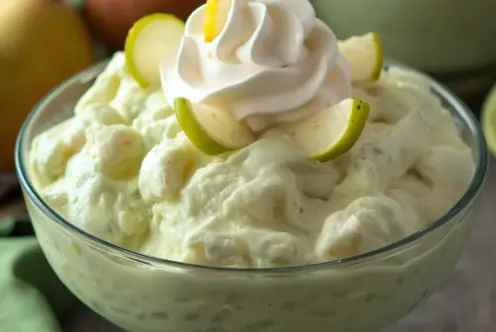
Pear Lime Jello Salad
Read More