Blog
Take Your Time When Eating

Whenever we’re trying to improve our health with our diet, some of the factors that we consider are what we’re eating, how much we’re eating, and how much physical activity we get. Those are all great and super important things to consider — but there’s another key factor that often gets overlooked: how long we take to eat.
It turns out that the time we take to eat a meal — not just what we’re putting on the plate — can significantly influence how much we end up eating, how well we digest our food, and even how satisfied we feel afterward. In other words: “fast food” isn’t just about what’s on the plate — it can also describe how quickly you eat.
Why Eating Slowly Matters
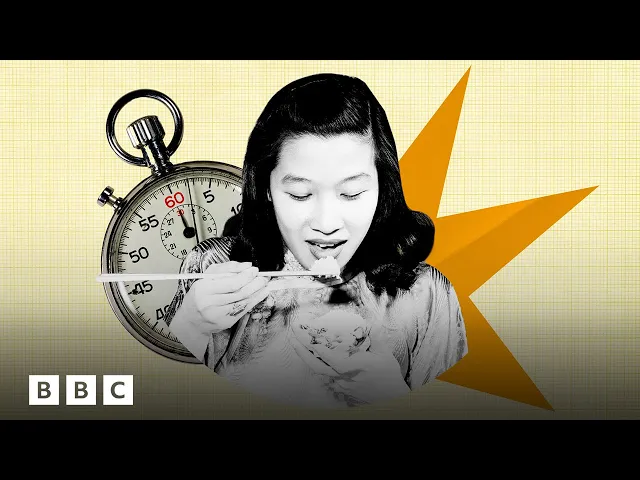
Eating slowly isn’t just a “nice-to-have.” There’s real science behind why a mealtime that lasts at least 20 minutes can make a difference.
- According to one overview on the benefits of slow eating, it can take about 20 minutes for your brain to register fullness after you start eating.
- The mechanics involve a complex hormonal and neural conversation between your gut and brain. As food enters your stomach and intestines, your body begins releasing hormones such as Cholecystokinin (CCK), which helps slow digestion and promotes satiety, as well as Leptin, which signals energy sufficiency and long-term fullness.
- Meanwhile, the hormone Ghrelin — which signals hunger — gradually decreases.
- All these signals take time: the “gut-brain fullness message” doesn’t arrive instantaneously. Eating in a rush can bypass these hormonal cues, leading you to overeat before your brain has had a chance to register that you’re actually full.
Thus, if you finish your meal in five or ten minutes, you may be consuming far more than your body actually needs — simply because the biological “stop eating” signal hasn’t had time to kick in.

What Research Says About Slow Eating
The idea that eating slowly can curb overeating and support weight management isn’t just a wellness myth — several studies back it up:
- In a randomized study of healthy women, those who ate slowly consumed significantly fewer calories: on average, about 646 kcal when eating quickly vs. 579 kcal when eating slowly.
- Not only did slower eaters eat less, they also reported higher satiety and greater water consumption.
- More broadly, slow eating has been linked with better digestion (because food is chewed more thoroughly), improved nutrient absorption, reduced bloating, and less gastrointestinal discomfort.
- Eating slowly can also lead to more lasting fullness, reducing the likelihood that you’ll snack or binge soon after a meal — which helps with weight management over time.
In short: slower eating doesn’t just feel more relaxed — it supports your body’s natural hunger/fullness regulatory system, and can even help you naturally reduce caloric intake without strict dieting.
How Your Body’s Fullness Signals Really Work
To better understand why 20 minutes seems to be a magic number, it helps to unpack the physiology behind satiety.
1. Gut and Brain Communication
When you begin eating, several processes begin almost immediately:
- Your stomach starts stretching as it fills, and stretch receptors send fast neural signals via the vagus nerve to the brain. This helps you sense that you’re physically “filling up.”
- As partially digested food reaches your small intestine, cells release hormones like CCK (and, later, other gut-derived peptides such as PYY or GLP-1) which travel through the bloodstream to the brain and signal satiety.
- In parallel, fat cells release leptin, a hormone that communicates energy sufficiency and longer-term fullness. Leptin can amplify the effects of CCK, enhancing the feeling of satisfaction.
Because hormones travel through the bloodstream — not via fast nerve impulses — there’s a natural delay before their signals are fully registered in the brain. That’s why even though your stomach may feel full early on, the “stop eating” message from the gut-brain hormonal network often takes about 20 minutes.
2. The Difference Between Stomach Fullness vs. True Satiety
Filling up your stomach (stretching it) and being truly “satisfied” (hormonal and neurological fullness) are not always the same thing. One can finish a plate of food, feel physically stuffed — and still eat more — if the hormonal signals haven’t caught up yet. That mismatch can easily lead to overeating.
3. Why What You Eat Matters
The type of food you eat affects how quickly and effectively your body produces the hormones that regulate fullness. For example:
- Meals rich in lean proteins and healthy fats tend to trigger CCK release more robustly, because these macronutrients stimulate intestinal cells more than simple carbohydrates or processed foods.
- Conversely, highly processed, energy-dense but low-fiber foods can lead to rapid gastric emptying and a poor hormonal response — meaning you might feel “hungry again” sooner, or fail to register fullness properly.
Therefore, even if you eat slowly, you’re likely to get the most benefit when your meals include nutrient-dense, protein- and fiber-rich foods — not just empty calories.
Practical Tips for Eating Slowly
If you’re convinced by the science and want to make slow eating a habit — but aren’t sure where to start — here are some practical, realistic strategies that can help:
- Set aside at least 20 to 30 minutes per meal. Try not to treat meals as a 5-minute “in-and-out” affair. Slowing your pace gives your body time to produce and register fullness hormones.
- Chew thoroughly. The mechanical breakdown of food in your mouth (chewing, mixing with saliva) sets up smoother digestion and better nutrient absorption — which helps your body and hormones do their job.
- Use smaller utensils or smaller bites. This naturally slows down pace. Smaller bites take longer to chew and swallow, which gives your gut-brain system more time to work.
- Pause between bites. Try putting down your fork between bites, or sip water in between. This gives your gut and brain a chance to “catch up.”
- Minimize distractions. Avoid eating while watching TV, working, or scrolling on your phone. Paying attention to the food (taste, texture, aroma) can help you be more in tune with your body’s fullness cues.
- Serve smaller portions first. If you finish a portion and still feel like eating more — take a 20-minute pause first. You might find that the second serving isn’t necessary after all.
- Focus on balanced meals. Include protein, healthy fats, fiber-rich vegetables or whole grains — these help trigger the hormonal pathways that promote satiety and lasting energy.
Beyond Weight: Additional Benefits of Slow Eating
While much of the focus of slow eating is on portion control and weight management, the benefits go beyond just “eating less.” Slowing down your meals — and being more mindful about eating — can help improve your overall relationship with food, your digestion, and even your mental well-being:
- Improved digestion and nutrient absorption. Thorough chewing and slower digestion mean nutrients are broken down more effectively, which supports better digestion and reduces bloating or indigestion.
- Greater enjoyment and mindfulness. Eating slowly encourages you to really taste and savor your food — flavors, textures, smells. This can make meals more pleasurable and satisfying, which may help reduce cravings later.
- More stable blood sugar and energy levels. Some research indicates that slow eating can moderate blood-sugar spikes, and help regulate the digestive and hormonal response to meals — which may reduce post-meal fatigue or sugar crashes.
- Better long-term weight management. Because slow eating supports lower calorie intake, improved satiety, and less frequent snacking, it can be a sustainable, healthy habit — unlike restrictive diets that are often difficult to maintain.
The 20 Minute Rule Explained
That “20-minute rule” is rooted in how long it typically takes for fullness signals to register in the brain when we eat. It’s not an arbitrary figure — it reflects a rough physiological average.
- The “about 20 minutes” figure is widely cited in nutritional advice for slow eating, as the approximate time needed for your gut-brain fullness signals to do their work.
- It’s enough time to allow hormones like CCK to be released, travel through the bloodstream, interact with satiety receptors in the brain, and for you to subjectively sense fullness.
It’s important to note: 20 minutes is a guideline, not a strict rule. Individual factors — what you eat, how much you chew, your metabolism, even your stress level — can affect how quickly or slowly those signals arrive. But aiming for at least 20 minutes provides a practical, easy-to-follow benchmark to help you eat more mindfully and avoid overeating.
Try Making Slow Eating a Habit
Next time you sit down to a meal, do a quick experiment:
- Set a timer (or glance at the clock) — aim for 20–30 minutes for the meal.
- Chew thoroughly, take smaller bites, sip water between bites if needed.
- Mindfully notice taste, texture, smell — enjoy the meal.
- When you finish, pause for a few minutes. Wait — and ask yourself: “Do I still feel hungry?” If not, skip seconds.
If you have trouble sticking with this the first few times, try these little hacks: entertain conversation with the people at the table, read a magazine or book, or — just like you suggested — do a crossword puzzle between bites. Anything that slows you down and keeps you present in the moment.
A Note of Caution
Slow eating is a simple, effective strategy — but it’s not a substitute for a healthy diet or active lifestyle. And like all habits, it works best when paired with balanced meals, adequate hydration, regular physical activity, and being attuned to your body’s unique hunger and fullness cues.
Also, while many studies show positive effects of slow eating on fullness and calorie intake, the scientific picture isn’t perfect: some research has produced mixed results, especially in more controlled or clinical settings.
Nevertheless, given how low-effort and accessible slow eating is, it’s probably one of the most underrated yet powerful changes you can make — one that benefits digestion, appetite regulation, nutrition, and your experience of eating itself.
Final Thoughts
So next time you’re sitting down to eat — whether it’s breakfast, lunch, or dinner — take your time. Slow down. Chew. Savor. Give your gut and brain the time they need to send their fullness signals.
It might seem trivial, but that simple pause — those extra minutes — can help you avoid overeating, improve digestion, and build a healthier, more mindful relationship with food.
If you find it hard to make yourself linger at the table, try talking with others, reading a book or magazine, or doing a crossword puzzle — or whatever helps you stay present.
Because eating slowly isn’t deprivation — it’s respect. Respect for your body, for your nourishment, and for the simple act of eating.
For more health-related articles, check out the Fill Your Plate blog!
By Heide Kennedy, Arizona Farm Bureau Communications Intern



Featured Recipes

COTTAGE CHEESE & BLUEBERRY BREAKFAST BAKE
Read More


Warm Your Soul Lasagna Soup
Read More

Pear Lime Jello Salad
Read More