Blog
Tips For Ordering Healthfully at Fast Food Restaurants

Fast food has become an integral part of our modern lifestyle, offering convenience and taste. However, it also comes with a reputation for being unhealthy. High in calories, saturated fats, added sugars, and sodium, fast food choices can lead to various health issues, including obesity, heart disease, and diabetes. Despite these concerns, there are instances when fast food is the only viable option, whether due to time constraints or location. In such situations, making informed and health-conscious choices can mitigate some negative effects.
Understanding the Basics of Fast Food Nutrition
When it comes to fast food, understanding what you are consuming is imperative. A large number of fast-food items are processed and often high in unhealthy ingredients. A diet high in saturated fats and added sugars can lead to weight gain and other health problems. Consequently, it is advantageous for consumers to grasp the fundamentals of nutrition so they can make better decisions when dining out.
Research Caloric and Nutrient Content
Many fast-food restaurants have taken steps to provide nutritional information for their offerings. This information is often available on the menu board, in-store brochures, or online. Before ordering, take some time to research the caloric and nutrient content of your meal. Websites like CalorieKing or MyFitnessPal allow you to search for nutritional information for a wide range of food items, including those from popular fast-food chains. Knowing what to expect nutritionally can help you stay within your dietary goals.

Customize Your Order
One of the most effective ways to make a fast-food meal healthier is by customizing your order. Many fast-food restaurants are happy to accommodate requests for ingredient modifications. For example, you can often request:
- Hold the cheese: Cheese adds calories and saturated fat. Consider skipping it and replacing it with extra veggies.
- Skip the bun: Ordering a burger wrapped in lettuce instead of a bun can save you carbs and calories while adding fiber.
- Add more greens: If your order allows, load up on lettuce, tomatoes, onions, or other vegetables to enhance its nutritional profile.
Opt for Low-Carb Options
If you’re watching your carbohydrate intake, fast food can be tricky. However, some restaurants offer low-carb options which can be filling without the excess calories from bread and other carb-heavy foods.
- Grilled nuggets over breaded: For example, consider ordering grilled chicken nuggets instead of the breaded variety. Grilled options generally contain fewer calories and fats.
- Choose salads: Many fast-food chains have salads that can be a satisfying meal. Be mindful of the dressings, as they can add hidden calories and sugars. Opt for vinegar-based dressings instead of creamy ones for better calorie management.
Look for Lean Proteins
When it comes to protein, not all sources are created equal. While indulging in a double cheeseburger occasionally isn’t a deal-breaker, continuous consumption can lead to excess calories and health concerns. Aim for lean protein options, such as:
- Grilled chicken: A grilled chicken sandwich is a much healthier choice than a fried one.
- Turkey burgers: If available, turkey burgers tend to have less fat than their beef counterparts.
- Fish tacos: Several fast-food chains now offer fish on their menu; look for grilled or baked fish options instead of fried for added health benefits.
Skip the Soda
Soda is a sneaky source of empty calories. Large-sized sweetened beverages can contain upwards of 300 calories or more! Instead of reaching for a high-calorie soda, consider healthier alternatives such as:
- Water: The best option is always water. It not only contains no calories but also keeps you hydrated.
- Unsweetened tea: Iced tea can be a refreshing choice that adds flavor without the sugars and calories.
- Sparkling water: If you crave something fizzy, consider flavored sparkling water. It can satisfy the desire for bubbles without the sugary content.
Choose Healthier Sides
While French fries are a perennial favorite, they aren’t the healthiest side. Instead, consider these alternatives:
- Side salads: Many restaurants offer side salads that can be a great accompaniment to your meal. Just pay attention to the dressing as mentioned earlier.
- Fruit cups: Some fast-food chains provide fruit cups as a side option. These can satisfy your sweet cravings while providing fiber and vitamins.
- Veggies: Steamed or lightly sautéed vegetables can be a nutritious substitute for fries.
Mind Portion Sizes
Fast food portions are notorious for being larger than necessary. Many meals can easily include additional calories simply due to size. Here are some tips on managing portion sizes:
- Sharing meals: If you’re dining out with friends or family, consider sharing a meal. This approach not only helps control portion sizes but can also save money.
- Combos vs. individual items: Often, combo meals can provide excessive quantities of food. Opting for individual items may help you better manage your caloric intake.
Be Wary of Sauces and Condiments
Sauces can add a surprising amount of calories and sugar. Some common fast-food items are often slathered in sauces that may mask the healthiness of your chosen meal. Consider the following tips:
- Limit sauces: Request your sauces on the side so you can control how much you use.
- Choose wisely: Opt for mustard, salsa, or plain yogurt instead of creamy dressings and mayonnaise.
Educate Yourself on Fast Food Menus
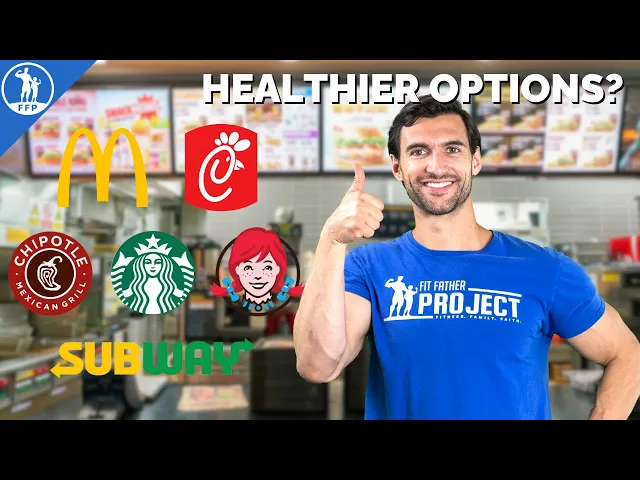
Knowledge is power. Familiarizing yourself with the healthier options on fast-food menus not only makes ordering easier but can help you avoid temptation. Many fast-food chains like Chipotle have published their nutrition guides online, allowing you to plan ahead.
Use Technology to Your Advantage
Several apps can assist in making healthier fast-food choices:
- HealthyOut: This app allows users to find nearby restaurants that cater to specific dietary needs.
- Fast Food Calorie Counter: This is another option that can provide nutritional information for various fast-food chains at your fingertips.
- MyFitnessPal: A useful tool for logging your meals and understanding your overall nutritional intake.
Stay Mindful of Your Eating Habits
While the focus is on choosing healthier fast-food options, being mindful of how you eat is equally important. Practice mindful eating by:
- Sitting while you eat: Avoid eating in your car. Take the time to enjoy your meal at a table.
- Listen to your body: Pay attention to hunger cues. Stop eating when you’re satisfied—not stuffed.
The Bottom Line
Fast food is undeniably convenient, and it occasionally helps us navigate busy lifestyles. However, making better choices when ordering can help alleviate the health ramifications associated with these meals. From examining the nutritional content to customizing your order and choosing healthier sides, small adjustments can lead to healthier outcomes.
While the most balanced option will always be home-cooked meals filled with fresh ingredients, understanding how to navigate fast food menus can arm you with the tools necessary to make healthier choices when on the go.
By implementing these strategies and maintaining a balanced outlook, you can enjoy the ease of fast food without sacrificing your health. For more insightful articles on health and nutrition, consider exploring blogs and resources that focus on healthy eating. For more health-related articles, check out the Fill Your Plate blog!
With knowledge and intention, you can indulge in the occasional fast-food meal while still maintaining a nutritious diet!
By Heide Kennedy, Arizona Farm Bureau Communications Intern



Featured Recipes

COTTAGE CHEESE & BLUEBERRY BREAKFAST BAKE
Read More
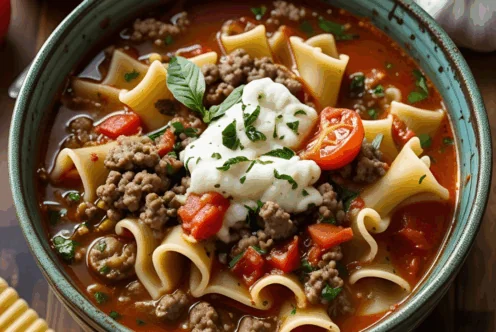
Warm Your Soul Lasagna Soup
Read More

Pear Lime Jello Salad
Read More