Blog
Nutrition for Cycling: How Proper Nutrition Fuels Cyclists from the First Mile to the Finish Line
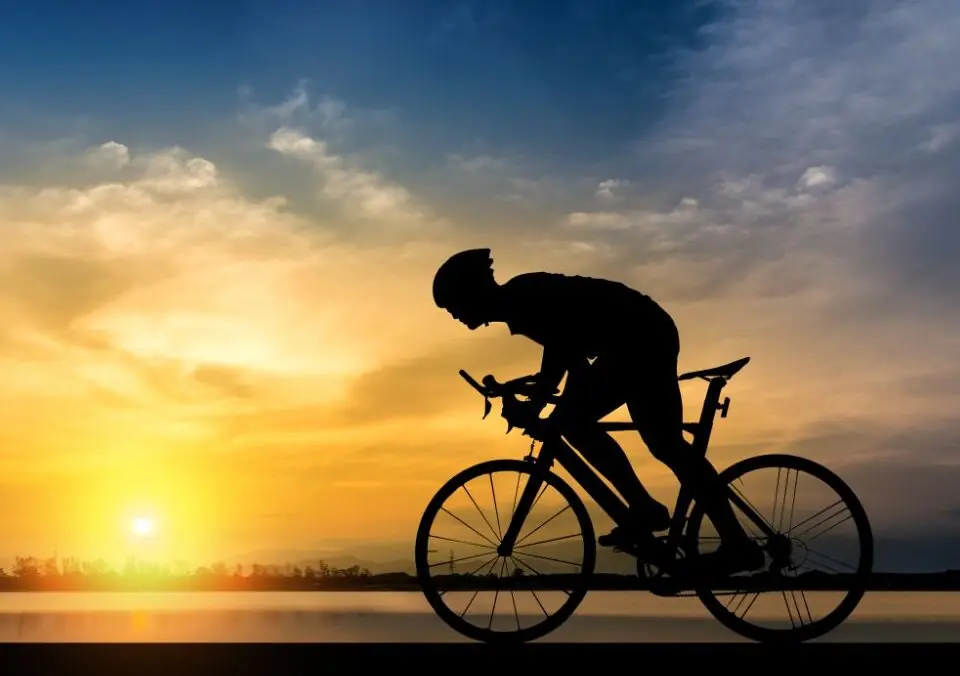
Cycling is a sport built on rhythm, the turning of your pedals, the cadence of your breath, and the flow of your energy as the miles unfold. Whether you’re training for Arizona’s El Tour de Tucson, riding for fitness, or simply enjoying a weekend cruise, one truth remains constant: your performance begins long before you clip in.
Strong, energized, and sustainable riding starts in the kitchen. What you eat, and when you eat it, determines how far, how fast, and how comfortably you can ride. Because cycling isn’t just about strong legs; it’s about smart fueling.
This article breaks down the science and strategy behind optimal cycling nutrition, designed for everyday riders, weekend warriors, and anyone looking to feel better on and off the bike.
The Science of Cycling Fuel: Why Food Matters More Than You Think
Cycling relies on both aerobic (steady endurance) and anaerobic (climbs, sprints, power bursts) energy systems. These systems depend heavily on glycogen, the stored form of carbohydrates.
When glycogen runs low, performance plummets, a phenomenon known as bonking.
According to Harvard Health, balanced fueling supports endurance, regulates energy levels, and improves recovery. It’s unique to cycling.
Cyclists burn anywhere from 400 to 900 calories per hour, depending on intensity and terrain, making consistent fueling essential.
Your body needs:
- Carbohydrates — fast energy and power
- Protein — muscle repair and stability
- Healthy fats — sustained endurance
- Water + electrolytes — hydration, muscle function, nerve signaling
Cycling without proper fueling is like trying to ride long distances with a slow leak in your tire — eventually, everything collapses.
Pre-Ride Nutrition: Setting Your Pace Before You Even Begin
The best rides start well before you roll out. What you eat 2–3 hours before a ride directly impacts your stamina, speed, and focus.
ACE Fitness recommends balanced meals featuring carbs + moderate protein for steady energy:
Ideal pre-ride meals (2–3 hours before):
- Oatmeal topped with berries and almond butter
- Eggs and whole-grain toast
- Greek yogurt parfait with fruit and granola
- Rice with eggs or lean protein
- Fruit + protein smoothie
If you’re riding early and not hungry:
- Half a banana
- Energy waffle
- A small granola bar
- Toast with honey
Hydration matters
Start with a full glass of water. Even slight dehydration can reduce cycling performance by 10–20%.
Fuel early. Fuel intentionally. Your body, and your ride, will thank you. When you give yourself the right nutrition before you even roll out of the driveway, you’re setting the stage for a smoother, more powerful experience on the bike.
Early fueling stabilizes your blood sugar, sharpens your focus, and fills your muscles with the energy they’ll rely on when the miles start adding up. It’s the difference between fighting through a ride and flowing through it. Think of pre-ride fuel as your first act of self-support, a quiet promise that you’re showing up prepared, energized, and ready to enjoy every moment on the road ahead.

Mid-Ride Fuel: How to Stay Energized During Longer Rides
For rides over 60 minutes, mid-ride fueling becomes essential. Once your glycogen drops, your power drops, and so does your enjoyment.
Best mid-ride fuel options:
- Energy gels or chews
- Bananas
- Pretzels
- Fig bars
- Energy waffles
- Dried fruit (dates are extremely effective)
- Electrolyte drinks
Training Peaks recommends most cyclists consume 30–60 grams of carbs per hour, and up to 90g for high-intensity or long-distance rides.
Hydration Strategy
Staying hydrated is one of the simplest and most powerful ways to improve your performance on the bike. Even small drops in hydration can affect your power output, focus, and overall enjoyment of the ride. A smart hydration plan keeps your muscles firing, your temperature regulated, and your energy steady from start to finish.
- Sip water every 10–15 minutes
Instead of waiting until you feel thirsty, which is already a sign you’re behind, drink small amounts consistently throughout your ride. This steady intake supports blood flow, oxygen delivery, and muscle function, helping you maintain a smooth rhythm without sudden fatigue. - Add electrolytes on rides longer than 60 minutes
As your effort increases, so does your sweat rate. Electrolytes such as sodium, potassium, and magnesium help maintain fluid balance, nerve signaling, and muscle contraction. On longer or hotter rides, relying on water alone isn’t enough — electrolytes keep your performance level steady and prevent mid-ride crashes. - Replace sodium loss to prevent cramping, fatigue, and heat-related issues
Sodium is the primary electrolyte lost through sweating, especially in dry, hot climates like Arizona. Replenishing it helps prevent muscle cramps, dizziness, and heat exhaustion. A quality electrolyte mix, salt tabs, or sodium-inclusive sports drink ensures your body can cool itself efficiently and keep pushing without strain.
Dialing in your hydration strategy doesn’t just improve performance — it keeps you safe, strong, and able to enjoy every mile with confidence. Want it expanded even further?
Electrolyte balance is especially important for Arizona riders, who lose minerals at a faster rate in dry, hot climates.
Avoid bonking, fuel before you feel like you “need” to.
Post-Ride Recovery: Refuel, Repair, and Rebuild
Recovery nutrition is crucial. Within 30–60 minutes after your ride, your muscles are primed to absorb nutrients and repair micro-tears.
According to NCBI research on recovery, pairing carbohydrates and protein significantly enhances glycogen resynthesis and muscle repair.
Best post-ride meals:
- Smoothie with banana + protein
- Chicken and rice bowl
- Salmon with potatoes
- Greek yogurt parfait
- Avocado toast with eggs
- Turkey sandwich on whole grain
Ideal ratio:
3:1 carbs to protein
Example: 45g carbs + 15g protein
Hydrate afterward
Water, coconut water, or electrolyte tablets help restore balance and reduce muscle soreness.
Recovery isn’t just fuel, it’s self-respect for the work your body just did.
Everyday Fueling for Consistent Performance
Strong cyclists aren’t built from one perfect pre-ride meal; they’re built on daily habits. Performance on the bike is really a reflection of how you choose to fuel and care for your body day after day. Consistent meals, steady hydration, quality sleep, and intentional recovery all add up to create a foundation your rides can rely on. When your everyday choices support your energy, your mood, and your muscles, you begin each ride already ahead, not trying to make up for what your body has been missing. Over time, these small, repeated habits become the silent force behind stronger climbs, smoother endurance, and a more confident, capable you.
Daily routines that support better rides:
- Eat a balanced meal every 3–4 hours
- Include colorful vegetables and whole grains
- Add lean proteins to stabilize energy
- Keep portable snacks on hand
- Drink water consistently throughout the day
- Limit highly processed foods and excessive sugar
Prioritize sleep for natural recovery
These habits fuel not just your ride, but your overall vitality.
Common Fueling Mistakes Cyclists Make
Here are the most common nutrition mistakes, and how to fix them:
1. Riding on an empty stomach
Fix: Eat carbs before every ride, even if small.
2. Not drinking enough water
Fix: Hydrate before, during, and after.
3. Skipping electrolytes
Fix: Add sodium on longer or hotter rides.
4. Eating too little overall
Fix: Support your training volume with enough calories.
5. Over-relying on sugar
Fix: Balance gels and drinks with real-food carbs.
6. Forgetting post-ride recovery
Fix: Eat within 60 minutes after finishing.
7. Eating too much fat before a ride
Fix: Keep pre-ride meals lower in fat for easier digestion.
Cycling nutrition is a skill, and with practice, you get better at fueling your best rides.
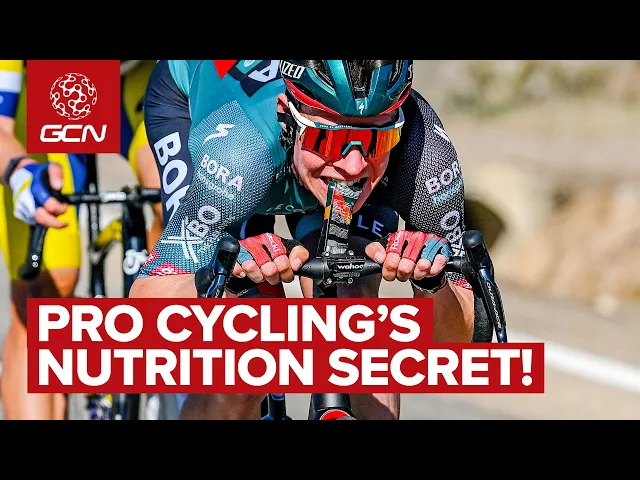
Motivation Corner: The Freedom of the Ride
Cycling offers a kind of freedom you can’t find anywhere else. The quiet roads. The open sky. The hum of your tires on pavement. The steady rhythm of your breath syncing with your movement. The way the world seems to slow down even as your legs push you forward. There’s a clarity that arrives with each passing mile, a mental reset that only the bike can deliver.
Fueling well gives you more of those moments.
More power to climb the hills that once intimidated you.
More stamina to stay in the ride instead of fighting through fatigue.
More joy in the journey, because your body is supported, not struggling.
Nutrition isn’t about restriction, it’s about support. It’s about honoring the effort your body puts in every time you show up. It’s about giving yourself the energy, the hydration, and the recovery you need to experience the ride fully, powerfully, and proudly.
When you fuel with intention, every mile becomes more than exercise; it becomes liberation. It becomes a reminder that you’re strong, capable, and evolving with each pedal stroke. The road doesn’t just stretch out in front of you; it opens possibilities, confidence, and a deeper connection to yourself.
Every ride is proof of what you can do.
And every mile reminds you: you’re getting stronger, mentally and physically, one turn of the pedals at a time.
Stronger Fuel, Stronger Ride
Cycling isn’t just a sport; it’s a partnership between you and your body. And like any partnership, it thrives on trust, consistency, and care. Every mile you ride is a conversation; your body speaks through fatigue, strength, hunger, and effort, and you respond through the way you fuel, hydrate, and recover. When you listen to your body’s signals and support it with intention, the relationship becomes smoother, more powerful, and more rewarding. The bike may carry you forward, but it’s your body that does the real work, and honoring that connection is what transforms cycling from a simple activity into a deeply personal practice.
Fuel smart.
Hydrate with intention.
Recover with respect.
And your body will reward you with stronger rides, smoother climbs, and a deeper love for the miles ahead. The stronger your fuel, the stronger your ride, and the better you feel in every mile of your life.
Joel Carr Arizona Farm Bureau Strategic Communications Manager


Featured Recipes
COTTAGE CHEESE & BLUEBERRY BREAKFAST BAKE
Read More
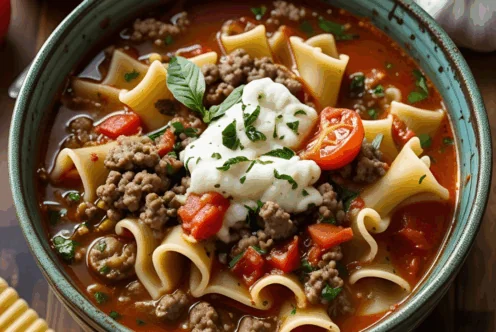
Warm Your Soul Lasagna Soup
Read More

Pear Lime Jello Salad
Read More