
Blog
Crop Protection from Insect Pests: How Farmers Win the War on Bugs
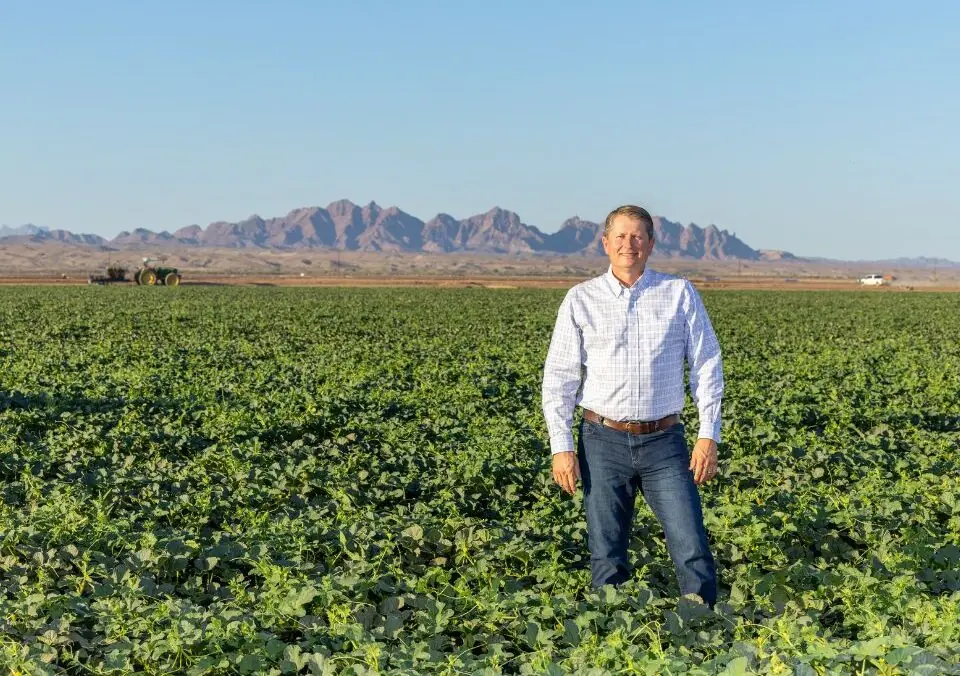
According to a report by UC Agriculture and Natural Resources, farmers lose 10% to 40% of their crops to pests and plant diseases. On a global scale, the Food and Agriculture Organization of the United Nations (FAO) highlights that it’s easily 40% in certain countries. These losses cost the global economy more than $220 billion annually, with invasive insects alone costing at least $70 billion.
What’s worse, losses mean less food for you and me and the global community. With a growing population, the battle against bugs must be won. And major crop loss also means higher prices for food.
Pests and plant diseases are persistent threats in reducing food yields and quality, often an overwhelming situation for our farmers. But one offensive weapon in the war is crop protection. Crop protection practices, including pesticides and Integrated Pest Management (IPM), are vital to prevent these losses from doubling and to help meet global food demands. And, with today’s science-based modern practices in crop protection beneficials (think butterflies, ladybugs and honeybees) and human health thrives.
A Brief History
The use of pesticides to protect crops has a very long history, stretching back thousands of years—far earlier than most people realize. Sumerians (c. 2500 BC) are the earliest known deliberate users of chemical pest control. Archaeological evidence and cuneiform texts show that they used elemental sulfur (burned or dusted) to control insects and mites on crops. Ancient China as early as 1200 used arsenic-based compounds (e.g., arsenic sulfide) and plant-derived insecticides such as extracts from chrysanthemum flowers (containing natural pyrethrins) and neem-like plants.
Fast forward to the Modern Synthetic Era (1930s to1940s), the true watershed moment that launched the modern crop protection industry. In 1939, Swiss chemist Paul Hermann Müller at Geigy discovered the insecticidal properties of DDT (dichlorodiphenyltrichloroethane). It was extraordinarily effective, cheap, and persistent and was used spectacularly successfully by Allied forces in World War II to control typhus-carrying lice and malaria-carrying mosquitoes, saving countless lives. Post-war: DDT and other chlorinated hydrocarbons (aldrin, dieldrin, chlordane) were rapidly adopted in agriculture worldwide. And while DDT is no longer used in agriculture many counties still find it the only chemical application successful against malaria-carrying mosquitoes.
The point of this brief history is that protecting crops with pesticides did not begin with modern chemistry—it began at least 4,500 years ago with sulfur dusting in ancient Sumer. What changed in the 20th century was the scale, potency, and synthetic nature of the compounds.
With modern science and continuous efforts at improvements, how can a chemical crop protection tool be so effective, yet safe on human health and beneficial bugs? Much has to do with how crop protection is employed. For ease of understanding, we put the major practices used in bullets below, focusing on crops and human health.
Evening Aerial Applications: A Safety-First Approach for All Involved!
As the sun sets over Arizona’s vast fields, our aerial applicators take to the skies—not for drama, but for pure practicality and protection. Nighttime means calmer air to minimize drift, empty fields to safeguard hardworking farmers and field workers catching their breath at home, and a gentle nod to our pollinator friends like bees, who’ve safely tucked into their hives for the night. It’s all about safety, plain and simple, ensuring everyone—from the soil to the supper table—stays out of harm’s way.

Record-Keeping and Expert Guidance: Transparency You Can Trace
Every crop protection application comes with meticulous record-keeping, because accountability isn’t optional in Arizona agriculture, it’s the backbone. Our highly trained Pest Control Advisors (PCAs) that must be licensed and annually attend continuing education classes, craft their pest management plans on official Arizona Department of Agriculture Form 1080s, open books anyone can access, examine, and evaluate. It’s our way of saying, “We’re not hiding a thing; come see for yourself how science and stewardship guide every decision.”
Pounds of Protection, Ounces of Precision: Targeted and Temporary Tools
Those headlines about “thousands of pounds” of pesticides? Let’s set the record straight, they’re crop protection products applied at just ounces per acre, laser-focused on the villains like damaging pests while sparing the heroes: beneficial insects, wildlife, and our precious environment. These modern marvels break down quickly, leaving no long-term legacy, because today’s tools are designed for precision, not persistence.

EPA’s Reentry Rules: The Clock That Keeps Workers Safe
Here’s the gold standard from the U.S. Environmental Protection Agency (EPA): every registered pesticide carries strict reentry intervals, mandatory buffers that keep workers out of treated fields until it’s proven safe, anywhere from a quick 4 hours to a cautious 72. When we apply under the cover of darkness, that clock starts ticking with fields blissfully empty, turning evening ops into an extra layer of benefit for our teams. Safety isn’t a suggestion; it’s the law we live by.
Yuma’s Legacy of Leafy Greens: High-Value Crops, Timeless Tradition
Yuma didn’t wake up yesterday to specialty crops—it’s been decades of dedication to high-value wonders like those vibrant leafy greens that grace winter salads nationwide. This isn’t a flashy new shift; it’s Arizona agriculture’s steadfast story, feeding America with the same reliable roots that have nourished us for generations. As science reveals new options, farmers employ them. Chemical pesticides have become so safe they are now labeled “soft pesticides” since many no only target the bad bug, leaving the ladybug to do her work as well with no harm.
The Ag Health Study Speaks Volumes: Debunking Health Myths with Hard Data
Don’t let scare stories sway you, the landmark Ag Health Study, a massive, ongoing longitudinal look at farm life, simply doesn’t back claims of rampant diabetes, obesity, pulmonary woes, endocrine glitches, or cancer spikes in rural ag communities. It’s science over sensationalism, reminding us that real evidence paints a picture of resilience, not risk.
Epidemiology vs. Evidence: How EPA Cuts Through the Noise
Too often, detractors cherry-pick epidemiology studies hinting at correlations but lacking that crucial cause-and-effect punch. But here’s the truth: the EPA demands dose-response data proving real links before anything hits the shelf. They scrutinize every study—including reliable epidemiology—folding it into decisions on registration, labeling, and those mandatory 15-year reregistration reviews (or sooner, if new info emerges). It’s rigorous, it’s required, and it’s what keeps our system trustworthy.
From Lab to Field: The Marathon of Modern Crop Protection
Bringing a new crop protection product to market? It’s a 12-year odyssey costing companies an average $286 million in research, with the EPA vetting every endocrine angle for dose-response proof of safety. Even then, regulators can pull the plug if needed. And get this: today’s “soft pesticides” are precision strikers, zapping only the bad guys while ladybugs and butterflies keep up the good fight— a far cry from yesterday’s blunt instruments.
EPA’s Independent Eye: Verifying Data for a Safer Tomorrow
The EPA doesn’t take our word for it, they pore over epidemiology from independent scientists and universities, alongside registrant-submitted research, verifying and validating every bit to ensure it meets U.S. law’s sky-high safety bar. Cumulative risk assessments for classes like organophosphates and carbamates? Check. Synergistic effects? They’re on it too. It’s exhaustive oversight for an industry that feeds us all.
No Silver Bullet, But Worlds Safer: Training and Tools for Today
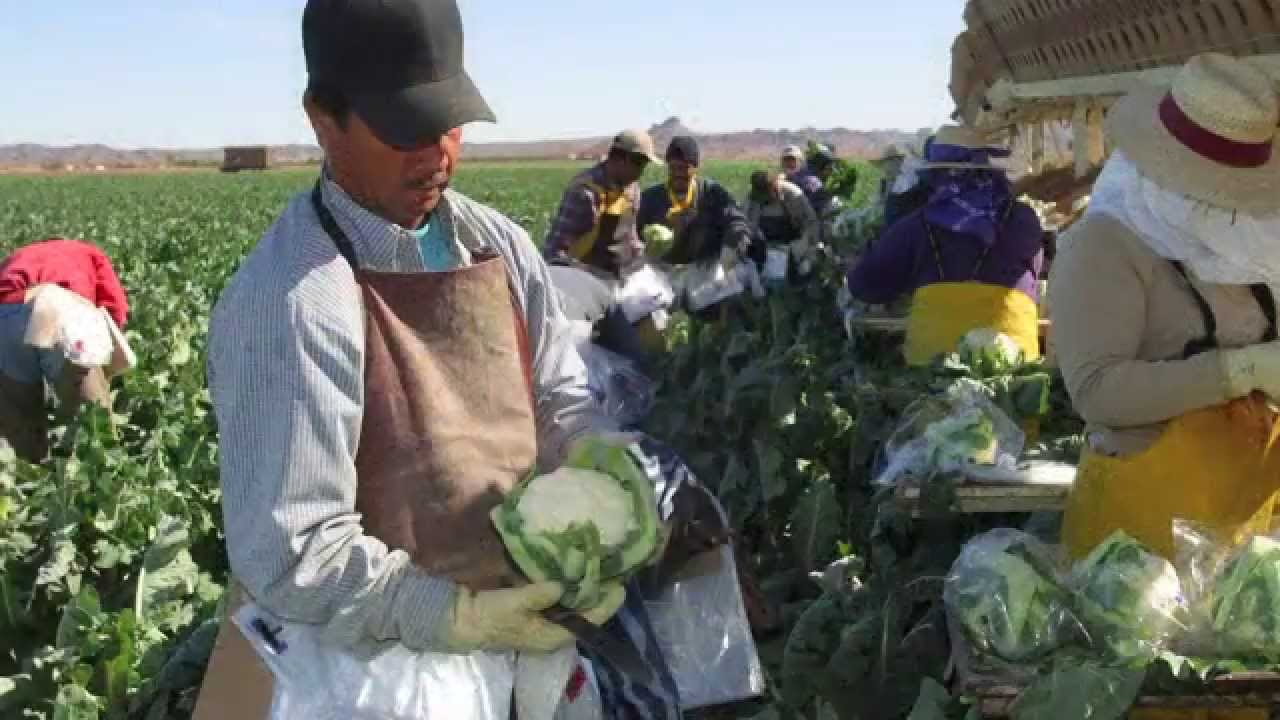
Let’s be real, no product, organic (yes, organics uses chemical pesticides too) or otherwise, is zero-risk, but today’s options are leaps and bounds safer for people and planet than the pesticide cocktails of yesteryear. That’s why every grower, PCA, and applicator earns a state license, clocks annual continuing education, and why field workers get tailored pesticide training in plain language before stepping foot in the rows. It’s commitment in action, from license to last harvest.
Our Shared Story: Bridging Divides Through Food Safety and Heart
At its core, this is multifaceted work in food safety and human health rooted in a profound love for the land that sustains us and the lives it touches. It’s our hopeful chance to tell Arizona agriculture’s tale with pride and openness, mending gaps with genuine appreciation and respect for America’s unmatched food system, the safest on earth. Join us in celebrating it; after all, every plate tells a story worth sharing.
You can be assured that Arizona and American farmers are committed to food safety. The food they grow for you and me, they feed to their own families. Our farmers are passionate about what they do. The thousands of conversations and interviews I have with our aggies prove this. I have heard their stories; I am confident in their effort to keep their families and us safe. It’s a war to keep safe, nutritious and tasty food on our plates that they will win.
Julie Murphree, Arizona Farm Bureau Director of Strategic Communications


Featured Recipes


COTTAGE CHEESE & BLUEBERRY BREAKFAST BAKE
Read More


Warm Your Soul Lasagna Soup
Read More

Pear Lime Jello Salad
Read More