
Blog
What Nutrition Does Watermelon Have: More Than Just Refreshing
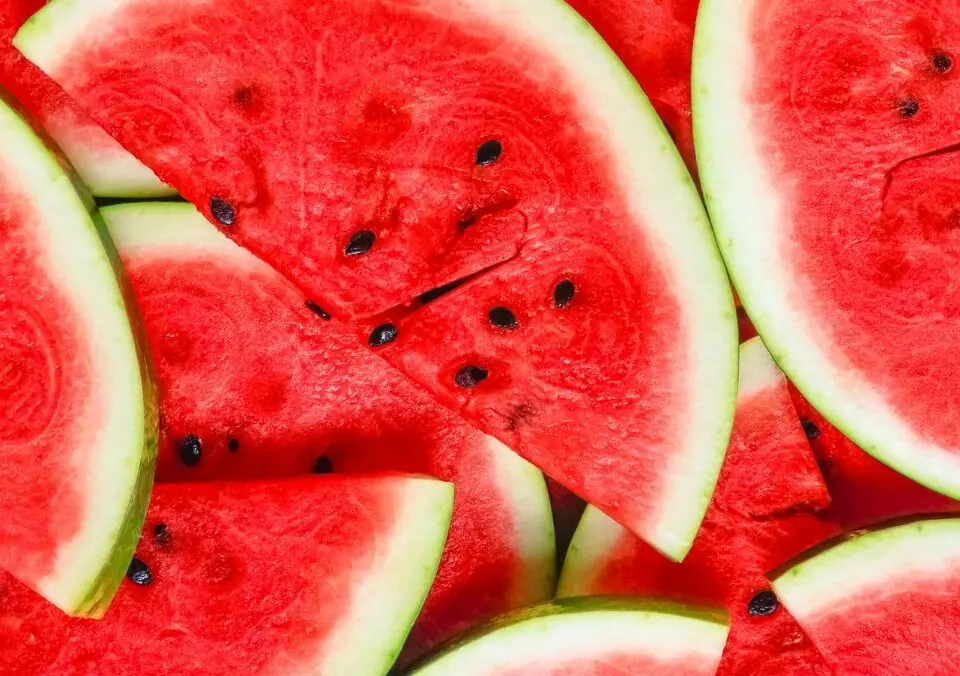
Watermelon is often dismissed as “just water and sugar,” a fruit people enjoy casually without giving much thought to its nutritional value. It makes a predictable appearance at summer barbecues, poolside coolers, and family picnics, offering a quick, refreshing bite before fading quietly into the background. Because it feels light and indulgent, watermelon is easy to underestimate.
Yet this reputation overlooks the meaningful role it plays in hydration, recovery, circulation, and overall wellness. Beneath its crisp texture and natural sweetness lies a fruit that works with the body rather than against it. Watermelon delivers hydration, natural energy, and essential nutrients in a form that feels effortless, supporting physical comfort, recovery, and daily functioning in ways that often go unnoticed but are deeply effective.
Hydration: Watermelon’s True Superpower
Watermelon is made up of roughly 90 percent water, making it one of the most hydrating foods you can eat. Hydration influences nearly every system in the body, from circulation and digestion to muscle contraction, temperature regulation, and mental clarity.
Unlike plain water, watermelon provides hydration alongside natural sugars and essential minerals. These nutrients help the body absorb and retain fluids more effectively, supporting hydration at a cellular level rather than simply passing through the system.
This combination makes watermelon particularly useful after physical activity or prolonged exposure to heat, when fluid losses are higher and the body needs more than just water to restore balance. By delivering hydration in a form the body can readily use, watermelon helps replenish energy, support recovery, and maintain overall physical comfort throughout the day.
The Mayo Clinic notes that even mild dehydration can negatively impact physical performance and energy levels, reinforcing the importance of fluid-rich foods alongside beverages. When the body begins to lose fluids, even at low levels, blood volume decreases, circulation becomes less efficient, and muscles fatigue more quickly.
For individuals who struggle to drink enough water throughout the day, watermelon becomes a practical and approachable solution. Many people don’t experience strong thirst cues until they’re already behind on hydration, especially during busy workdays, time in the heat, or periods of physical activity. One generous serving of watermelon can meaningfully contribute to daily fluid intake without requiring reminders, tracking apps, or constant refilling of a water bottle.
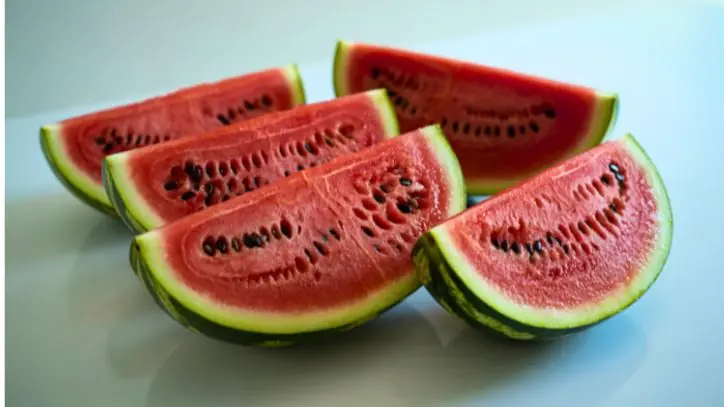
Natural Carbohydrates for Gentle, Effective Energy
Watermelon contains natural carbohydrates in the form of simple sugars such as glucose and fructose. These carbohydrates provide quick, accessible energy that the body can use almost immediately without overwhelming the digestive system. This makes watermelon an ideal snack before exercise, after exercise, or on long days when energy begins to dip and the body needs a gentle boost. Because these sugars are paired with high water content, they’re easily digested and absorbed, delivering energy without heaviness or discomfort. Rather than causing a sharp spike and crash, watermelon helps stabilize energy levels, offering a light, refreshing way to support both physical activity and everyday demands.
Because watermelon’s sugars are paired with high water content, they digest easily and are less likely to cause sharp blood sugar spikes. The water slows the rate at which sugars enter the bloodstream, allowing energy to be released more steadily rather than all at once. Harvard Health explains that carbohydrates from whole foods behave differently in the body than refined sugars, offering energy with fewer metabolic drawbacks. While watermelon isn’t meant to replace complex carbohydrates or full meals, it plays an important supporting role. It fills nutritional gaps by providing light, effective fuel when the body needs energy without heaviness.
Lycopene: Antioxidant Support for Recovery and Heart Health
One of watermelon’s most impressive nutrients is lycopene, a powerful antioxidant responsible for its red color. Lycopene helps reduce oxidative stress, which accumulates from exercise, heat exposure, environmental factors, and daily stress.
Oxidative stress contributes to inflammation, muscle soreness, and slower recovery. Regular intake of lycopene has been linked to improved heart health and cellular protection. Harvard Health highlights lycopene’s role in reducing inflammation and supporting cardiovascular function.
Watermelon contains more lycopene than raw tomatoes, making it one of the richest natural sources available. For individuals who are physically active or regularly exposed to heat, this antioxidant support becomes especially valuable.
Digestive-Friendly and Easy on the Body
Watermelon is generally easy to digest for most people, making it a gentle option when the body needs nourishment without strain. Its high-water content supports digestion by helping soften food as it moves through the digestive tract, which can ease discomfort and promote regularity. Because it’s light and low in fiber compared to heavier fruits, watermelon places minimal demand on the digestive system, allowing the body to absorb nutrients efficiently without feeling weighed down.
This makes watermelon a particularly helpful option when appetite is low, digestion feels sluggish, or recovery is the priority, such as after physical activity, illness, or long days in the heat. It provides hydration and natural energy while supporting the digestive system and keeping it calm. Rather than forcing the body to work harder to break down food, watermelon offers nourishment in its simplest form, helping restore balance without adding unnecessary stress.
Watermelon for Active Lifestyles
Runners, cyclists, gym-goers, outdoor workers, and recreational athletes all benefit from watermelon’s hydration and recovery support. Its high water content helps replenish fluids lost through sweating, while its natural carbohydrates provide quick energy to support movement and endurance. Whether eaten before activity as a refreshing boost, after exercise to aid recovery, or in the middle of a long day to restore hydration, watermelon fits easily into active routines without feeling heavy or restrictive.
When paired with protein or healthy fats, watermelon becomes part of a more complete nutritional strategy that supports muscle repair and sustained energy. Combining it with foods like Greek yogurt, cottage cheese, nuts, or seeds helps slow digestion slightly and provides amino acids needed for muscle recovery. This balance allows watermelon to move beyond a simple snack and become a functional part of fueling, helping active individuals feel supported, energized, and ready for whatever comes next.

Watermelon for Families and Everyday Life
Watermelon fits effortlessly into everyday life, which is part of what makes it such a valuable food for families. It’s approachable, naturally sweet, and easy to prepare, requiring little more than slicing and serving. Because it feels familiar and enjoyable, watermelon encourages positive food associations rather than pressure or restriction. For children especially, this matters. Foods that feel safe, enjoyable, and refreshing are more likely to be eaten consistently, helping kids develop healthy hydration and eating habits early on.
For busy families juggling work schedules, school activities, and outdoor time, watermelon offers nutrition that aligns with real life rather than rigid dietary rules. It works as a quick snack, a side at meals, or a refreshing addition after time spent playing outside. It delivers hydration, natural energy, and key nutrients without requiring special preparation or planning. In this way, watermelon supports nourishment in a way that feels sustainable, realistic, and easy to maintain over time.
Seasonal Eating and Sustainability
Watermelon is at its best when eaten in season. During peak season, it’s more flavorful, more affordable, and often more nutrient-dense. Seasonal foods tend to spend less time in storage or transit, which helps preserve their freshness and nutritional quality. Eating seasonally also aligns with the body’s natural needs, particularly during warmer months when hydration becomes a higher priority.
The USDA encourages seasonal produce consumption as a way to support sustainability and local agriculture, noting that it helps reduce environmental impact and strengthens local food systems.
Choosing seasonal watermelon connects people to natural growing cycles while supporting farmers and reducing the energy required for long-distance food transport. It’s a small choice that contributes to a healthier food system, benefiting both personal health and environmental responsibility.
Final Thought: Simple Nutrition That Works
Watermelon does not need to be high-protein, low-carb, or trendy to be valuable. Its strength lies in simplicity. It hydrates, refreshes, supports circulation, aids recovery, and tastes good all without complexity or excess. It works quietly in the background, supporting the body in ways that feel natural and intuitive.
Nutrition doesn’t need to be complicated to be powerful. Watermelon proves that simple foods can support health, energy, and recovery in meaningful ways. It’s more than a summer snack. It’s hydration, nourishment, and support in one refreshing bite a reminder that sometimes the most effective nutrition is also the most enjoyable.
Joel Carr, Arizona Farm Bureau Strategic Communications Manager



Featured Recipes


COTTAGE CHEESE & BLUEBERRY BREAKFAST BAKE
Read More


Warm Your Soul Lasagna Soup
Read More

Pear Lime Jello Salad
Read More