
Blog
Arizona’s Desert Heat: The Secret Engine Behind a $31 Billion Farm Economy
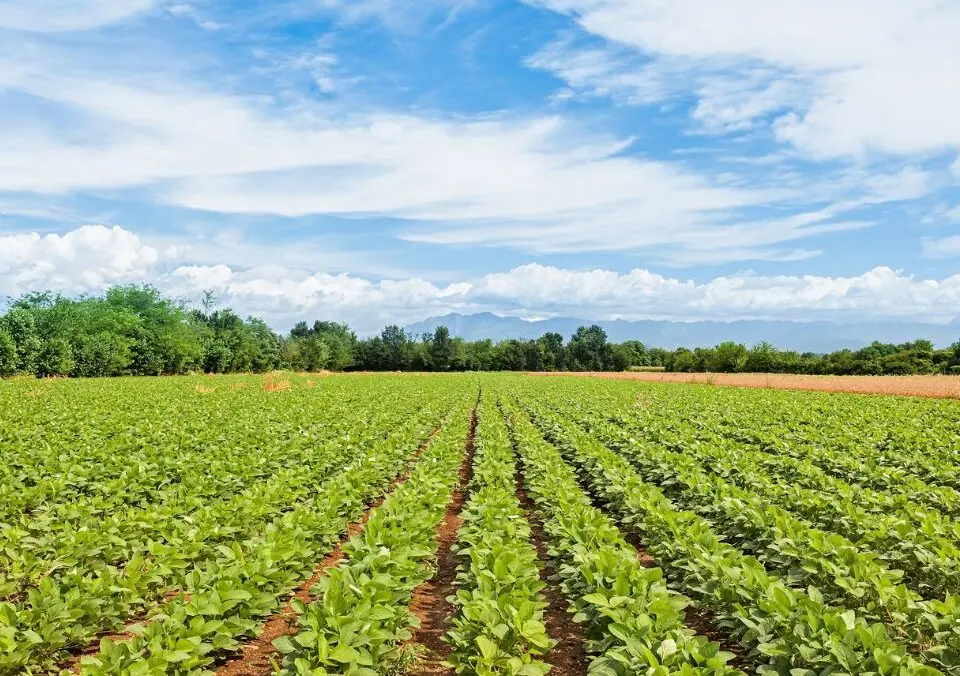
In the heart of the American Southwest, where temperatures routinely soar past 100 degrees in the summer and the landscape stretches out in endless landscapes of rugged and beautiful saguaro, Arizona has quietly built an agricultural juggernaut. Forget the stereotypes of barren desert, this state’s relentless sun and arid expanses aren’t obstacles; they’re assets.
Recently, a reporter reached out to interview me about Arizona’s unique climate and the ways it powerfully supports our thriving agricultural industry. As one of the iconic “Five C’s” that have long defined our state — Copper, Cattle, Cotton, Citrus, and Climate — agriculture remains deeply intertwined with that final “C.” This prompted me to reflect: It’s high time we shine a brighter spotlight on the specific features of Arizona’s climate that make our farming and ranching so remarkably viable and productive.
With more than 300 days of sunshine a year, balmy winters, and cutting-edge water management, Arizona’s farms are churning out everything from crisp winter leaf greens, think Romaine or head lettuce, to premium pecans, feeding the nation and bolstering a sector worth nearly $31 billion annually. As consumers across the U.S. stock their fridges with fresh produce even in the dead of winter, Arizona’s story offers a compelling lesson in turning environmental challenges into economic goldmines.
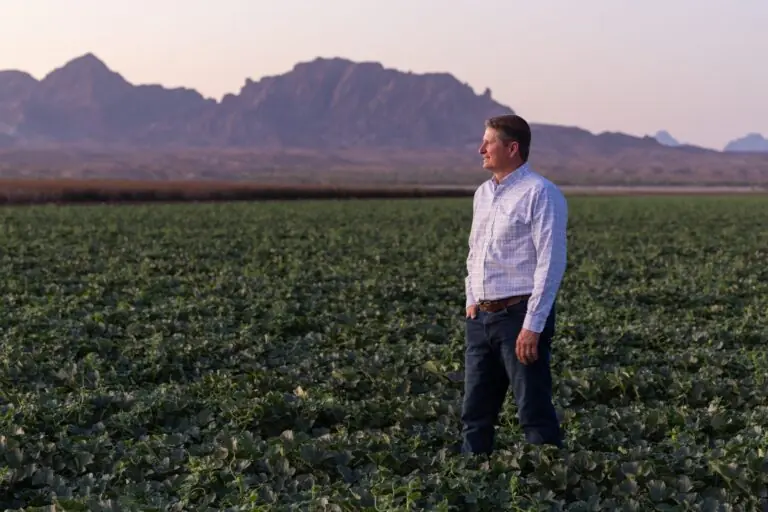
The Numbers Tell a Tale of Remarkable Growth
According to an insightful 2024 analysis from the University of Arizona, drawing on the latest USDA Census of Agriculture, the state’s agriculture and agribusiness industries now pump $30.9 billion into the economy, a hefty jump from the $23 billion tallied in prior assessments. This surge isn’t just about acres under cultivation as land has shifted toward development; it’s a testament to how Arizona leverages its unique climate. The sector supports over 138,000 jobs, from field hands to logistics experts, and exports goods to more than 70 countries. In an era of volatile supply chains and rising food prices, Arizona’s role in national food security is indispensable, ensuring that supermarket shelves across America stay stocked year-round.
At the core of this success is Arizona’s abundant sunshine, often dubbed nature’s free energy boost. The state averages over 300 sunny days annually, with some areas like Yuma pushing closer to 360. Sunlight powers photosynthesis, the process by which plants convert light into energy, enabling faster growth and higher yields. For farmers, it means extended growing seasons and the ability to squeeze in multiple harvests where others might manage only one.
Take Yuma County, a low-desert hotspot that’s become synonymous with productivity. Here, the near-constant clear skies allow crops to bask in uninterrupted daylight, reducing the energy losses that cloudier regions endure. Researchers at the University of Arizona point out that this solar bounty can shave weeks off maturation times for high-value items like vegetables and fruits. “It’s like giving plants a constant IV drip of energy,” one agronomist noted in a recent extension report. The Arizona Farm Bureau echoes this, calling the sunshine a “golden gift” that enables year-round operations. Without the frequent overcast skies that hamper Midwest or Northeast growers, Arizona farmers can optimize every hour of daylight, leading to bumper crops that command premium prices in national markets.
Celebrating Mild Winters
But sunshine alone isn’t enough; it’s Arizona’s mild winters that truly set it apart, transforming the state into America’s winter vegetable basket. While blizzards blanket much of the country from November to April, southern Arizona basks in temperate conditions. In Yuma, January highs hover around 70 degrees Fahrenheit, with freezes so rare they’re newsworthy. This climate coddles tender crops like lettuce, spinach, and broccoli, which would wither in colder climes.
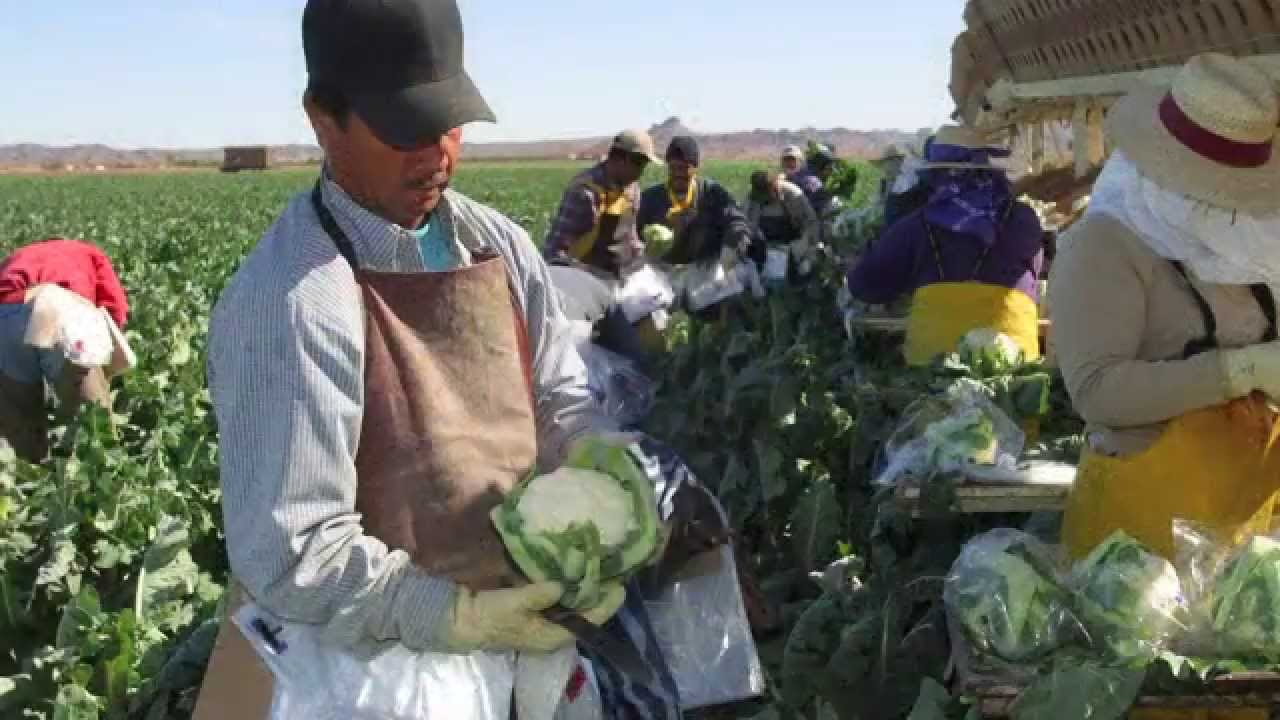
The impact is staggering: Arizona supplies 90% to 95% of the nation’s leafy greens during peak winter months, accounting for about 25% of the annual U.S. lettuce production overall. From Yuma’s fields alone, farmers ship out enough produce to fill 1,200 to 1,500 semi-trucks daily, delivering billions of servings to grocery stores nationwide. This isn’t just volume—it’s reliability. The Arizona Leafy Greens Marketing Agreement, a voluntary program involving growers and shippers, enforces rigorous food-safety standards to those who sign on to the program, giving consumers peace of mind amid recalls elsewhere.
An Economic Powerhouse
Economically, Yuma’s winter dominance is a powerhouse. A dedicated University of Arizona study pegged the Yuma region’s agricultural output at $4.4 billion in 2022, with ripple effects in transportation, packaging, and retail. For everyday shoppers, this means affordable, fresh salads even when local farms are dormant. As one Phoenix-based retailer put it, “Arizona’s winters keep our produce aisles vibrant and our prices competitive.” In a market where consumers increasingly demand year-round availability, the state’s climate provides a natural edge, shielding growers from the seasonal slumps that plague others.
Arizona’s Microclimates Ensure Variety
Arizona’s agricultural prowess extends beyond its southern deserts, thanks to a tapestry of microclimates shaped by the state’s dramatic topography. From the scorching lowlands around Phoenix and Yuma to the cooler high plateaus in the north, Arizona spans multiple USDA Hardiness Zones, fostering an astonishing diversity of crops. This variety allows for everything from subtropical dates and citrus in the south to apples and stone fruits in elevated areas like the Verde Valley and other places.
What ties it all together is the potential for year-round production. Unlike single-season farming in temperate zones, Arizona’s growers can harvest continuously, adapting to the state’s temperature swings. Hay producers, for instance, achieve up to 8 and 10 cuttings per year, far surpassing national averages. Cotton thrives in the intense summer heat, while the annual monsoon season—typically July through September—delivers sporadic rains that replenish rangelands for ranchers. University of Arizona experts describe the state as a “living laboratory” for climate-resilient farming, where wide diurnal temperature variations (hot days, cool nights) enhance flavor profiles in fruits and vegetables. Our wine growers celebrate this fact.
This microclimate mosaic also encourages innovation. Farmers in higher elevations experiment with cold-hardy varieties, while desert operators focus on heat-tolerant strains. The result? A resilient system that minimizes risks from weather extremes. For consumers, this translates to a broader selection: Arizona-grown pistachios, honeydews, and cantaloupes that arrive fresher and often cheaper than imports.
Arizona Farmers Are Focused on Best Water Use
No conversation about Arizona agriculture would be complete without tackling water—or the lack thereof. The state’s arid climate demands ingenuity, and farmers have risen to the challenge with world-class irrigation systems. Drawing primarily from the Colorado River and groundwater aquifers, Arizona has pioneered precision techniques that maximize every drop. In Yuma, advanced drip irrigation and sensor-driven systems deliver water directly to plant roots, slashing evaporation and runoff.
Efficiency metrics are eye-opening: University studies show Yuma generates over $1,500 in crop sales per acre-foot of water. This has enabled a pivot toward high-value specialty crops, amplifying economic returns. Collaborations between the Arizona Farm Bureau, university researchers, and tech firms are pushing boundaries further, incorporating AI for predictive watering and drone monitoring to detect leaks early.
Sustainability is key in this drought-prone region. Farmers have adopted practices like cover cropping and soil moisture sensors to conserve resources, ensuring the industry thrives amid climate pressures. For consumers worried about environmental footprints, Arizona’s model offers reassurance: efficient water use means more food with less strain on shared resources like the Colorado River, which supplies water to millions beyond the farms.
Arizona’s climatic advantages shine brightest in its standout crops, where the state holds national leadership. It ranks third in fresh market vegetables, dominates winter leafy greens, and leads in cantaloupes, honeydews, pistachios, and dates. The U.S. boasts one of the world’s largest pecan grove in southern Arizona, alongside massive date plantations that evoke Middle Eastern oases.
These successes aren’t accidental; they’re the fruit of climate paired with human innovation. Pecans, for example, benefit from the state’s long, hot growing seasons, yielding nuts with superior size and flavor. Dates require the intense desert heat to ripen properly, making Arizona’s output unrivaled domestically. Consumers reap the benefits in quality and variety, think gourmet pistachios in snack aisles or Medjool dates in holiday recipes.
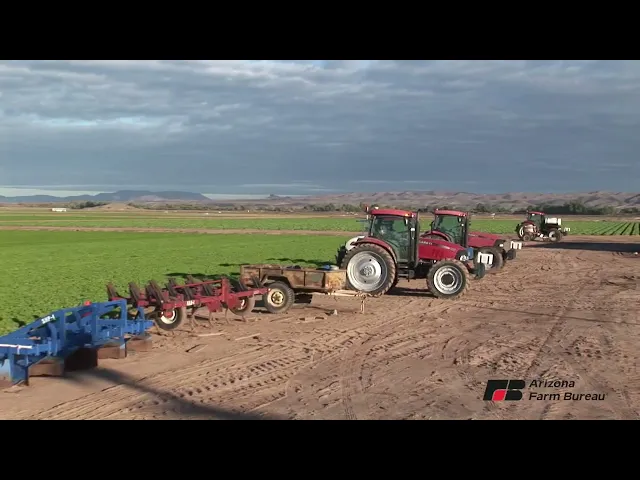
The broader economic ripple is profound. Beyond direct farm sales, agriculture drives agribusiness in processing, distribution, and exports. The $30.9 billion total output includes multiplier effects: every dollar from farming generates additional activity in related sectors. Yuma’s vegetable specialization mirrors Silicon Valley’s tech focus, creating clusters of expertise that attract investment. Jobs span the spectrum, from seasonal harvesters to engineers designing irrigation tech, providing stable employment in rural areas.
Globally, Arizona’s exports bolster trade balances, shipping produce to Asia, Europe, and beyond. This efficiency helps keep consumer prices in check. The Arizona Farm Bureau highlights resilient practices, forged in partnerships with the University of Arizona, as key to this growth.
Yet, challenges loom. Water scarcity poses risks. Variability in monsoon patterns could disrupt routines, while hotter summers test crop limits. But Arizona is adapting. Initiatives like the Yuma Center of Excellence for Desert Agriculture are breeding drought-resistant varieties, while innovation hubs explore vertical farming and desalination.
Precision agriculture, powered by data analytics, promises further gains. University-led research into regenerative techniques such as no-till farming to preserve soil moisture positions Arizona as a global model for arid-zone production. The state exemplifies how targeted R&D can future-proof an industry.
In the end, Arizona’s story is one of triumph over adversity. What looks like a harsh desert is, in fact, a fertile ground for innovation and abundance. The next time you crunch into a winter salad or savor a handful of pecans, consider the sun-scorched fields that made it possible. In a world grappling with climate shifts, Arizona’s farms aren’t just surviving—they’re setting the standard for what’s next in sustainable, high-yield agriculture. Our Arizona farmers will explain, they farm in the desert not despite the hot climate, but because of it.
By Julie Murphree, Arizona Farm Bureau Strategic Communications Director


Featured Recipes


COTTAGE CHEESE & BLUEBERRY BREAKFAST BAKE
Read More


Warm Your Soul Lasagna Soup
Read More

Pear Lime Jello Salad
Read More