
Blog
How Nutrition Affects Mental Health: Key Nutrients
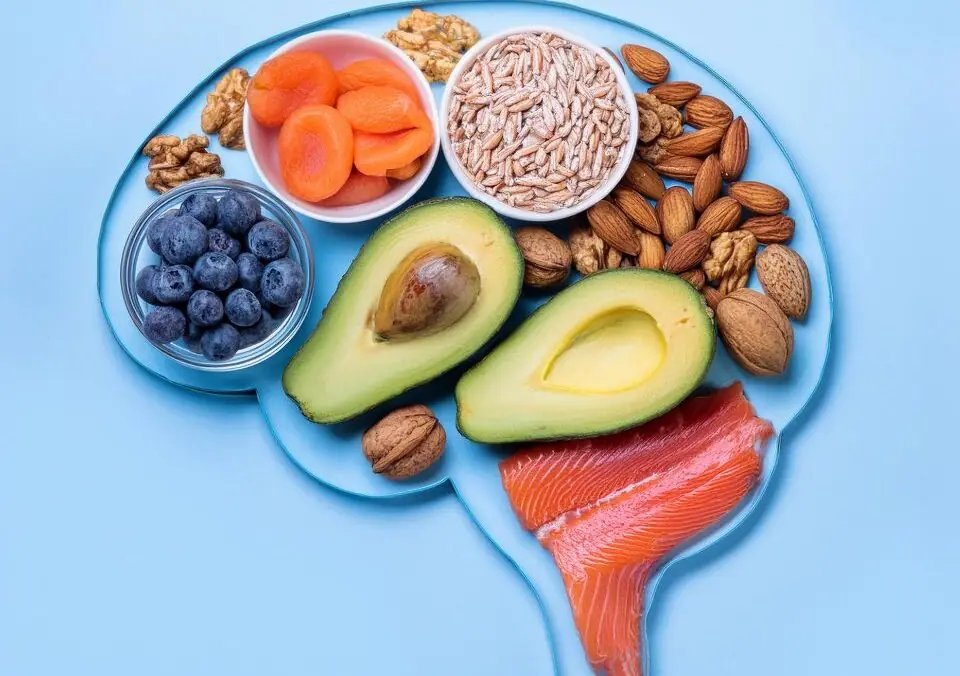
What if your daily mood, focus, and stress levels were shaped not just by your thoughts, but by what you eat?
For years, mental health has been treated as something separate from physical health. Yet, emerging research suggests that the food we eat may play a far more powerful role in shaping mood, focus, and emotional resilience than we ever realized.
Nutrition & Chronic Disease
While a nutritional sciences student at Northern Arizona University, we learned about the many wonderful benefits of food—particularly those foods that were more nutrient-dense. We learned how they help regulate blood sugar levels, support a healthy heart, impact growth, and much more. One benefit that always interested me, though, was how nutrition can help support mental and emotional wellbeing.
While in school, I was fortunate enough to do research on the relationship between nutrition and mental wellbeing, and in my career with the University of Arizona Extension, I have found more opportunities to continue this work. Scientists are still uncovering the connection between nutrition and mental health, so let’s dive in.
When we think of mental health and factors that can lead to a decline in mental wellbeing, stress is often thought about as one of the top contributors. But what contributes to stress? Family? Careers? School? Finances? These are definitely stressors, but poor health can also contribute to high levels of stress.
In one survey among a sample of Americans, 63% reported their health being a high contributor to their overall stress levels. The constant doctor’s appointments, prescription pickups, monitoring, and worrying about long-term impacts can weigh on a person. In general, poor health can prevent an individual from doing things they want or alter the way they would normally run their life. It has also been determined that those with chronic illnesses such as diabetes, cardiovascular disease, cancer, etc., are shown to be at a higher risk for depression and anxiety.
How can nutrition affect this aspect of mental health? A healthy diet has been shown to help prevent the onset of chronic diseases while also supporting quality of life and longevity. A diet filled with a variety of fruits, vegetables, whole grains, nuts, seeds, lean meats, poultry, fatty fish, legumes, and healthy fats is recommended to help prevent the onset of type 2 diabetes, cardiovascular disease, cancer, digestive disorders, inflammatory-related diseases, and so much more. These nutrient-dense foods enrich the body with vitamins, minerals, and fiber that support proper metabolism, regulate blood glucose levels, support the cardiovascular system, and prevent inflammation. Together, these effects help prevent chronic diseases and reduce the risk of negative health outcomes.
Key Nutrients for Mental Health
Looking at specific nutrients or recommended foods, some researchers recommend omega-3 fatty acids, vitamin D, and folate (vitamin B9) to directly support mental health. Folate and omega-3 fatty acids have been shown to help alleviate depressive symptoms as they strengthen nerve signals and pathways. Furthermore, omega-3s have been shown to help those with anxiety or ADHD. These foods support the brain and nervous system, helping them communicate effectively with the rest of the body. So, where can you find these specific nutrients in your diet? They can be found in nutrient-dense foods such as spinach and peas for folate and fatty fish for vitamin D and omega-3s. Other foods like Brussels sprouts, avocado, eggs, chia seeds, and nuts are foods high in micronutrients.

The Gut and The Brain
Beyond chronic disease prevention, an emerging theory related to mental and emotional health, is the connection called the “gut-brain axis.” Recent studies show that the digestive system, or gastrointestinal (GI) system, is lined with 100 million nerve cells. This large mass of nerve cells is referred to as the enteric nervous system (ENS). The ENS communicates directly with the brain, and shares when things are not feeling right in the body. Those experiencing constipation or diarrhea, or those with irritable bowel syndrome (IBS) might have their ENS send waves of discomfort to their brain creating a big emotional shift. The ENS can actually send signals to our central nervous system to trigger mood changes and contribute to feelings of depression, anxiety, brain fog, etc.
How can we support a healthy relationship between the gut and the brain? We can start by helping the digestive system function at its best. Eating foods high in fiber such as fruits,
vegetables, whole grains, seeds, nuts, and legumes can help with regular bowel movements. We can also include foods that contain healthy fats such as avocado, olive oil, nuts, seeds, and fatty fish, and fermented foods such as yogurt, kefir, sauerkraut, kombucha, and miso. All of these foods help to feed the gut microbiome—the trillions of microorganisms that reside in your gut–while also reducing inflammation and supporting proper digestion and absorption.
What Foods Should We Limit?
In terms of gut health, we have discussed a lot of recommended foods that can be beneficial as part of a healthy diet, but what foods should we be limiting? Foods high in trans fats, saturated fats, added sugars, coffee, and alcohol should be limited to support your GI tract. These foods can disrupt the ENS and the gut microbiome, potentially causing inflammation and distress in the body. Foods high in trans fats and saturated fats include ready-to-eat foods, fast foods,
pastries, and other convenience foods. Added sugars can be found in candies, pastries, desserts, and sugary drinks such as sodas or energy drinks.
Nutrition and Our Hormones
In addition to gut health, nutrition also plays a role in hormone regulation. Hormones play a large part in emotional regulation, and our nutrition can impact the neurotransmitters responsible for those emotions. Serotonin is a neurotransmitter that helps regulate sleep, appetite, and reduces pain. It also helps to regulate mood—depressive symptoms are often linked to reduced levels of serotonin. Another neurotransmitter, dopamine, is essential to movement, motivation, and our reception of reality. For those struggling with Parkinson’s, psychosis, or depression, or ADHD, there is evidence linking their symptoms to transmission issues with their dopamine levels.
So where does nutrition fit in here? When certain nutrients are lacking, these neurotransmitters may struggle to do their job and therefore we suffer. Consuming foods high in omega-3s and tryptophan can increase production of serotonin. These foods can include salmon, leafy greens, turkey, walnuts, chia seeds, broccoli, and sunflower seeds. Incorporating foods high in tyrosine, magnesium, and iron can support proper dopamine production and absorption. This includes almonds, apples, avocados, bananas, green leafy vegetables, pumpkin seeds, and red meats for iron. Finding ways to fit these foods into your daily diet could support the endocrine system, allowing hormones to flow where they need to go.

Main Takeaways
Bringing this all together, nutrition can strongly impact mental and emotional wellbeing. The foods we eat can help prevent the onset of chronic diseases, support gut and digestive health, and regulate hormones. All of which can impact stress and emotions.
I know from a personal standpoint that mental health is not a simple formula of “do this and your symptoms will dissipate.” I know that everyone has their own individual experience, and that understanding your health is a journey. Small changes in what we eat may not solve everything, but they can be a powerful step toward feeling better, both mentally and physically.
If you are someone you know is struggling with mental health, support is available. The following resources may be helpful:
- Substance Abuse and Mental Health Services Administration (SAMHSA)
- National Institute of Mental Health (NIMH)
- Anxiety and Depression Association of America (ADAA)
Bekah Jaeger, NDTR, is a Program Coordinator for the University of Arizona Coconino County Cooperative Extension. She is currently pursuing her Master of Public Health (MPH) with a concentration in Public Health Nutrition and plans to graduate in 2028, after which she intends to become a registered dietician.
Gayle Gratop, M.S., HTR, is the Family, Consumer and Health Sciences Extension Agent with the University of Arizona Coconino Cooperative Extension. She is also a nursery grower specializing in native plant production.



Featured Recipes


COTTAGE CHEESE & BLUEBERRY BREAKFAST BAKE
Read More


Warm Your Soul Lasagna Soup
Read More

Pear Lime Jello Salad
Read More