
Blog
Best Nutrition for Muscle Gain: Plus A Simple 3-Day Budget Meal Plan

When I started my fitness journey about four years ago, I wasn’t chasing a perfect physique or trying to become a fitness expert. I simply wanted more energy and more confidence.
At the time, I often felt tired and not as confident as I wanted to be. That simple goal pushed me to step into the gym and start building a healthier routine.
Like many beginners, I started small. I committed to working out three days a week, combining strength training with yoga sculpt classes and regular yoga. Over time, those workouts became something I genuinely looked forward to, they helped clear my mind, relieve stress, and slowly build strength.
But even though I was consistent with my workouts, my progress felt slower than expected.
Eventually, I realized the missing piece wasn’t my training; it was my nutrition. I wasn’t eating enough protein, and I didn’t really understand which nutrition is good for muscle gain.
Once I started learning more about nutrition and making small changes to my meals, everything began to shift. My strength improved, my recovery got better, and my workouts felt far more productive.
But the biggest change was in my confidence. Feeling stronger in the gym started to carry over into other areas of my life.
One lesson became very clear during this journey: you can’t out-train poor nutrition.
Exercise creates the opportunity for muscle growth, but the food you eat provides the building blocks that make that growth possible.
In this article, I’ll share what I’ve learned over the past four years, breaking down the best nutrition for muscle gain in a simple, beginner-friendly way, including the foods that support muscle growth and a practical 3-day meal plan that’s easy and budget-friendly.
Why Nutrition Is the Key to Muscle Gain
Many people believe that building muscle is all about spending hours at the gym. But here’s the truth: Muscle is built in the kitchen just as much as in the gym.
When you lift weights or do resistance training, your muscles experience small tears. That might sound scary, but it’s how muscles grow stronger.
Your body repairs these tiny tears using nutrients from the food you eat. With the right nutrition, the muscle fibers rebuild stronger than before.
Without proper nutrition, your body simply doesn’t have the materials it needs to rebuild muscle effectively.
In other words, workouts provide the stimulus, but nutrition provides the building blocks.
My Biggest Nutrition Mistake in the Beginning
When I look back at the early stages of my fitness journey, one mistake stands out clearly.
I wasn’t eating enough protein. Like many beginners, I focused mostly on workouts. I assumed my regular meals were enough to support muscle growth.
But once I started tracking what I was eating, I realized something surprising. My daily protein intake was far below what active people need to build muscle.
After increasing my protein intake and learning more about balanced nutrition, I noticed improvements quickly:
- My strength increased
- My recovery improved
- My energy levels went up
- My confidence grew
It wasn’t an overnight transformation, but the difference was significant.
The 3 Key Nutrients for Muscle Growth
If you’re wondering which nutrition is good for muscle gain, the answer really comes down to three essential nutrients.
1. Protein: The Muscle Builder
Protein is the most important nutrient for building and repairing muscle tissue. During digestion, protein breaks down into amino acids. These amino acids are used to repair damaged muscle fibers and build new ones.
Some of the best protein-rich foods include:
- Eggs
- Chicken breast
- Greek yogurt
- Cottage cheese
- Fish (salmon, tuna)
- Lean beef
- Lentils and beans
Most fitness experts recommend around 0.7–1 gram of protein per pound of body weight for active individuals trying to build muscle.
For busy parents, simple protein sources like eggs, yogurt, and chicken are both affordable and easy to prepare.

2. Carbohydrates: The Energy Source
Carbohydrates sometimes get a bad reputation, but they play a critical role in muscle development and workout performance.
Carbs provide the energy your body needs to power through strength training sessions, yoga sculpt classes, and other forms of exercise. Without enough carbohydrates, workouts can feel exhausting, recovery may take longer, and performance can suffer.
Healthy carbohydrate sources include:
- Oatmeal
- Brown rice
- Quinoa
- Sweet potatoes
- Whole-grain bread
- Fruits like bananas and berries
After a workout, carbohydrates also help replenish muscle glycogen, which is the stored form of energy your muscles use during exercise. Research from the International Society of Sports Nutrition shows that combining carbohydrates with protein after training can improve recovery and support muscle growth.
In simple terms, protein helps build and repair muscle, while carbohydrates help fuel your workouts and restore energy afterward. Both nutrients work together to support long-term strength and performance.
3. Healthy Fats: Supporting Hormones and Recovery
Healthy fats play an important role in overall health and muscle development. They help support hormone production, including hormones involved in muscle growth and recovery.
For people who train regularly, dietary fats also help maintain energy levels and support recovery between workouts.
Good sources of healthy fats include:
- Avocados
- Olive oil
- Nuts
- Seeds
- Peanut butter
- Fatty fish like salmon
Fatty fish such as salmon are particularly beneficial because they contain omega-3 fatty acids, which may help reduce inflammation and support muscle recovery after exercise.
Another benefit of healthy fats is that they are calorie-dense, meaning they provide more energy per gram than carbohydrates or protein. For individuals trying to build muscle, this can make it easier to reach daily calorie needs without feeling overly full.
Budget-Friendly Muscle Building Foods
One of the biggest misconceptions about healthy eating is that it must be expensive.
In reality, some of the best nutrients for muscle gain come from simple, affordable foods that are easy to find at almost any grocery store. Building muscle doesn’t require fancy “fitness foods” or expensive supplements—just a balanced diet built around nutrient-dense staples.
Here are some budget-friendly foods that support muscle growth while keeping grocery costs manageable.
Affordable Protein Foods
Protein is essential for muscle repair and growth, and many excellent sources are surprisingly affordable.
Some great options include:
- Eggs
- Canned tuna
- Greek yogurt
- Chicken thighs
- Lentils
- Black beans
- Cottage cheese
These foods provide high-quality protein while also delivering important nutrients such as calcium, iron, and B vitamins.
Budget Carbohydrates
Carbohydrates provide the energy needed for workouts and daily activities. Fortunately, many of the best carb sources are inexpensive and easy to prepare.
Examples include:
- Oats
- Brown rice
- Potatoes
- Whole wheat pasta
- Bananas
These foods are not only affordable but also rich in fiber, vitamins, and minerals, which support overall health and sustained energy levels.
Healthy Fats on a Budget
Healthy fats don’t have to be expensive either. Many nutrient-dense fat sources are both affordable and versatile in everyday meals.
Some great options include:
- Peanut butter
- Olive oil
- Sunflower seeds
- Almonds
Adding small portions of these foods to meals can help improve satiety, boost calorie intake for muscle gain, and enhance overall nutrition.
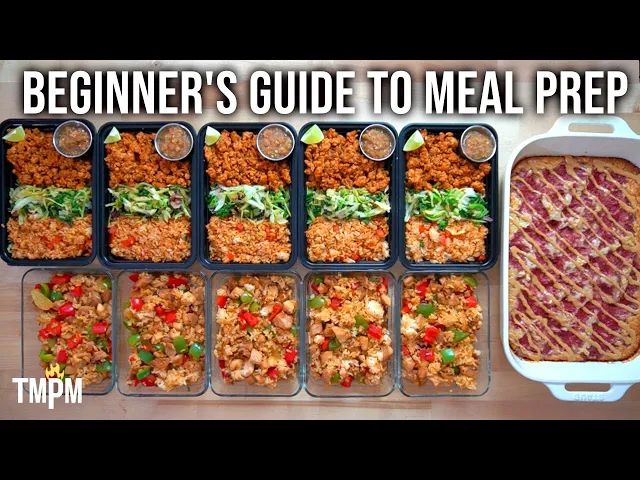
One simple strategy to make healthy eating even more affordable is to buy staple foods in bulk and prepare meals in advance. Meal prepping proteins, grains, and vegetables for several days at a time can save both money and time during a busy week.
A Simple 3-Day Muscle Gain Meal Plan
Here’s a practical 3-day meal plan designed for busy families who want to build muscle while keeping meals affordable and easy.
Day 1
Breakfast – Oatmeal with peanut butter and banana
Lunch – Grilled chicken rice bowl with vegetables
Dinner – Salmon with sweet potatoes and broccoli
Snack – Greek yogurt with honey
Day 2
Breakfast – Scrambled eggs with whole grain toast
Lunch – Tuna salad wrap
Dinner – Turkey stir-fry with brown rice
Snack – Apple with peanut butter
Day 3
Breakfast – Greek yogurt parfait with granola and berries
Lunch – Chicken quinoa bowl
Dinner – Lentil curry with brown rice
Snack – Cottage cheese and pineapple
How Busy Moms Can Make Muscle Nutrition Easier
Life gets busy. Between work, school schedules, and family responsibilities, preparing healthy meals every day can feel overwhelming.
Here are a few strategies that make things easier.
Meal Prep Twice a Week
Preparing meals in advance can save hours during the week.
Simple meal prep ideas include:
- Cooking large batches of chicken or ground turkey
- Preparing rice or quinoa for several days
- Cutting vegetables in advance
Keep Protein Snacks Ready
Quick snacks can help you reach your daily protein goals.
Good options include:
- Greek yogurt
- Hard-boiled eggs
- Protein smoothies
- Nuts
- Cottage cheese
Cook Family-Friendly Meals
nstead of preparing separate “fitness meals,” choose dishes the whole family can enjoy.
Examples include:
- Chicken stir-fry
- Tacos with lean meat
- Rice bowls with vegetables
This makes healthy eating sustainable for the entire household.
The Confidence That Comes with Strength
One of the biggest surprises during my fitness journey wasn’t physical transformation. It was the confidence that came with getting stronger. When I started lifting weights and improving my nutrition, I began noticing small victories.
- Lifting heavier weights
- Feeling more energized
- Recovering faster from workouts
Over time, those small improvements added up to a huge change in how I felt. Fitness stopped being something I “had to do” and became something that genuinely improved my life.
Final Thoughts
Building muscle doesn’t require complicated diets, expensive supplements, or extreme workouts. Instead, the most effective approach is surprisingly simple:
- Strength training regularly
- Eating balanced meals
- Prioritizing protein
- Staying consistent over time
When I started my fitness journey four years ago, I was just looking for more energy and confidence. What I discovered was something much bigger—a sustainable lifestyle that improved my physical health, mental well-being, and self-belief.
If you’re just getting started, remember this:
Small changes today can lead to incredible results over time.
With the best nutrition for muscle gain, consistent workouts, and patience, you can build strength, confidence, and a healthier future for yourself and your family.
And honestly? That journey is worth every step.
Joel Carr Arizona Farm Bureau Strategic Communications Manager



Featured Recipes

COTTAGE CHEESE & BLUEBERRY BREAKFAST BAKE
Read More


Warm Your Soul Lasagna Soup
Read More
Pear Lime Jello Salad
Read More