

Blog
Bone Broth is a Nutritional Powerhouse

Growing up, my mother had a ritual that many children might have found peculiar: she saved ham bones and other leftover bones from various meals to make bone broth. At the time, my brothers and I had little appreciation for the health benefits of this ancient practice, often expressing our distaste at the very thought of it. We were conditioned to think of food in a certain way, perhaps influenced by its presentation or our own limited experiences.
Yet, despite our aversions, there was no denying that the soups and stews my mom prepared using her homemade bone broth were absolutely delicious. The flavors were rich and robust, and the warmth of the dishes offered a comforting embrace on cold winter nights. Bone broth was the undercurrent of these dishes, the base that held everything together and gave it life. More than just a culinary ingredient, this humble broth was packed with nutrition, a fact that my mother insisted we acknowledge—even if we still couldn’t quite stomach the idea of its preparation.
What is Bone Broth?
If you’re unfamiliar with bone broth, it’s a simple yet transformative concoction made by simmering bones, connective tissues, and sometimes vegetables in water, salt, and a blend of seasonings for an extended period. This prolonged cooking process allows the collagen and nutrients found in the bones and marrow to leach into the water, creating a rich, nutrient-dense liquid.
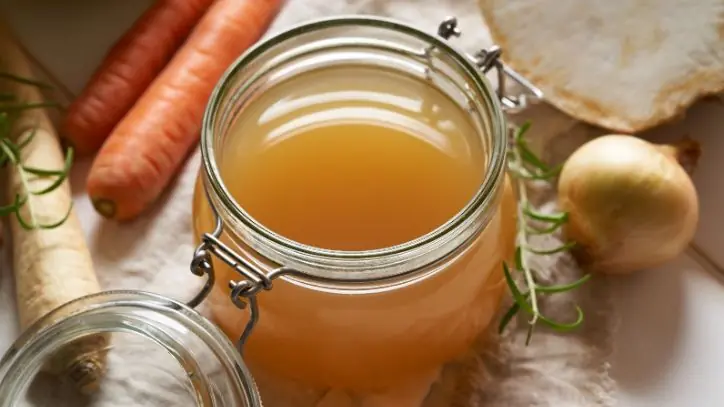
Dr. Kellyann Petrucci notes that the key to creating the perfect bone broth lies in cooking it long and slow to draw out the gelatin and nutrients effectively. The result is a thick, savory broth that has been touted for its health benefits and culinary versatility. While it might seem odd to some, this method of utilizing bones is deeply rooted in history, harking back to a time when nothing in the kitchen went to waste.
Nutritional Benefits of Bone Broth
You might be wondering, just how nutritious is bone broth? The list of essential nutrients that this powerhouse broth provides is extensive and impressive. Here are some of the main components that make it so desirable as a health food:
- Protein: Bone broth contains a high amount of protein, essential for muscle repair and the overall function of the body.
- Collagen: Provides structure to our skin, veins, bones, and connective tissues. It’s a key component that can help improve skin elasticity and reduce wrinkles.
- Amino Acids: Bone broth is rich in vital amino acids like glycine and proline, which play crucial roles in various bodily functions, including detoxification and digestion.
- Calcium: Essential for bone health, calcium is more easily absorbed in the presence of other nutrients found in bone broth.
- Magnesium: Supports muscle and nerve function and helps regulate blood pressure.
- Potassium: Vital for muscle function, and it also helps to maintain proper fluid balance in the body.
- Phosphorus: A key mineral that works with calcium to build strong bones and teeth.
- Gelatin: A derivative of collagen, gelatin helps with digestion and is often used to soothe the gut.
Homemade vs. Store-Bought Bone Broth
You can absolutely make bone broth at home, which allows you to control the quality of the ingredients you use. If you prefer the convenience of pre-made options, there are many available, but do keep a careful eye on the ingredient labels. Some store-bought options may contain additives or extra ingredients that compromise the purity of the broth.
If you decide to venture into making your own bone broth, you can source high-quality bones from local suppliers. For instance, Arizona Grass-Raised Beef is a fantastic option, offering a variety of beef products, including bones specifically for broth. If homemade isn’t your preference, they also sell pre-made bone broth that you can easily incorporate into your diet.
How to Make Bone Broth at Home
Making bone broth at home is relatively simple and can be done on the stovetop or in a slow cooker. Here’s a basic recipe to get you started:
Ingredients:
- 2-3 pounds of beef bones (neck bones, knuckles, or marrow bones)
- 2 tablespoons of apple cider vinegar (helps extract minerals from the bones)
- 1 onion, chopped
- 2 carrots, chopped
- 2 celery stalks, chopped
- 2-3 cloves of garlic, crushed
- Salt and pepper to taste
- Fresh herbs (optional, like thyme or parsley)
- Water
Instructions:
- Roast the Bones: Preheat the oven to 400°F (200°C). Spread the bones on a baking sheet and roast for about 30 minutes, turning them halfway through. This step enhances the flavor of your broth.
- Combine Ingredients: In a large stockpot or slow cooker, combine the roasted bones, vegetables, apple cider vinegar, herbs, and enough water to cover everything.
- Simmer: If using a stockpot, bring to a boil and then reduce to a simmer, skimming off any foam that rises to the top. Cover and let simmer for at least 12-24 hours (the longer, the better). If using a slow cooker, set it to low and let it run for the same amount of time.
- Strain: After cooking, strain the broth through a fine-mesh sieve into another pot, discarding the solids.
- Cool and Store: Let the broth cool completely before transferring to airtight containers. It can be stored in the refrigerator for up to a week or frozen for longer preservation.

Culinary Uses of Bone Broth
Bone broth is incredibly versatile and can be used in various culinary applications. Here are some ideas to incorporate it into your meals:
- Soups and Stews: Use bone broth as the base for any soup or stew to enrich the flavors and add nutrients.
- Risottos: Replace water or stock with bone broth in risotto for an added depth of flavor.
- Grains: Cook grains like quinoa or rice in bone broth instead of water for a flavor boost.
- Sauces and Gravies: Use it to deglaze pans after sautéing meats or vegetables, enhancing the taste of your sauces.
- Drinks: Some people enjoy sipping warm bone broth on its own as a nourishing beverage, especially during cold months.
Health Benefits Supported by Research
Recent research supports many of the claims surrounding the health benefits of bone broth. Here are a few notable findings:
- Gut Health: The gelatin found in bone broth can help strengthen the gut lining and protect against leaky gut syndrome (check sources like Healthline).
- Joint Health: Collagen and amino acids in bone broth may help alleviate joint pain and inflammation, according to studies published in journals such as The American Journal of Sports Medicine.
- Skin Elasticity: There is evidence that collagen supplementation, which bone broth provides, can improve skin elasticity and hydration, as shown in research published in the Journal of Drugs in Dermatology.
- Immune Support: The nutrients and minerals in broth can play a role in supporting the immune system, particularly in cold and flu seasons.
Conclusion
Bone broth stands as a testament to the timeless wisdom of utilizing the whole animal and minimizing waste. Beyond its nutritional profile, it carries with it a sense of family tradition and comfort, reminding us of the flavors and warmth of home-cooked meals.
Whether you choose to make it at home or opt for pre-made versions, incorporating bone broth into your diet can undoubtedly provide a host of benefits. By focusing on quality ingredients and cooking methods, you can enjoy not only the delightful taste of bone broth but also its profound impact on your health and wellbeing.
For those interested in exploring more health-related topics or recipes, be sure to check out resources such as the Fill Your Plate blog where you can find a wealth of knowledge to further enrich your culinary adventures.
By Heide Kennedy, Arizona Farm Bureau Communications Intern



Featured Recipes


COTTAGE CHEESE & BLUEBERRY BREAKFAST BAKE
Read More


Warm Your Soul Lasagna Soup
Read More
Pear Lime Jello Salad
Read More