

Blog
Do You Have a Gluten Sensitivity or is it Something Else?

Food sensitivities can be incredibly challenging to navigate. As someone who deals with multiple sensitivities, I completely understand how overwhelming it can be to radically change your eating habits in order to promote better health. If you’re struggling with digestive issues, you might suspect gluten is the culprit. Indeed, gluten—a protein found in wheat, barley, and rye—can lead to a range of adverse reactions in sensitive individuals. Yet before making significant dietary changes, it’s important to consider that gluten may not always be at the root of your discomfort. This article outlines various health issues that could also be feeding into your digestive distress and offers insight into how to approach a possible gluten sensitivity or other food intolerances.
What is Gluten Sensitivity?
Gluten sensitivity, also known as non-celiac gluten sensitivity (NCGS), is a condition that affects a significant portion of the population. Unlike celiac disease, which is an autoimmune disorder affecting the small intestine, NCGS does not cause the same level of small intestine damage, but it can still lead to various discomforts and symptoms, including bloating, diarrhea, stomach pain, fatigue, and even brain fog. It’s typically diagnosed through the process of elimination, as there are no specific tests for it.
For more detail on the difference between celiac disease and gluten sensitivity, check the Celiac Disease Foundation.
Symptoms of Gluten Sensitivity
The symptoms of gluten sensitivity can vary widely from person to person. Here are some common complaints:
- Digestive Issues: Bloating, gas, diarrhea, or constipation.
- Fatigue: Many people report feeling unusually tired, especially after eating.
- Headaches or Migraines: Some report an increase in headache frequency or intensity.
- Joint Pain: Chronic pain or inflammation in the joints is another potential symptom.
- Skin Issues: Some individuals may develop rashes, hives, or eczema.
- Mood Changes: Anxiety, irritability, and depression have been linked to gluten sensitivity in some individuals.
If you think you might have gluten sensitivity, start by keeping a food journal to track your symptoms and the foods you consume. This can be helpful when discussing potential issues with a healthcare provider.
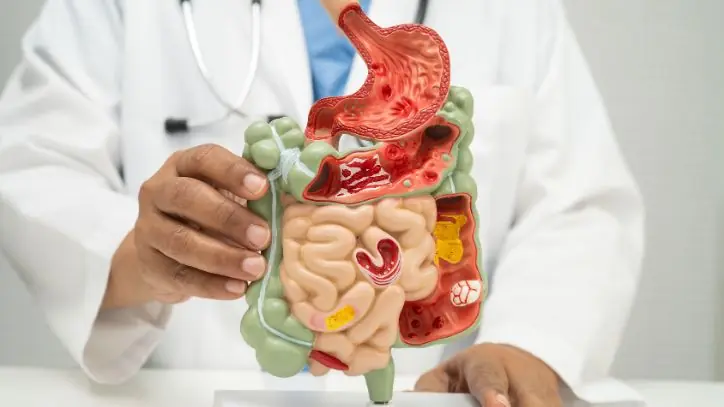
Alternative Causes to Consider
While gluten is often the first suspect for those experiencing digestive distress, several other factors could contribute to your symptoms. It’s essential to consider all possibilities before eliminating gluten from your diet. Here are several alternative causes worth investigating:
1. Different Food Intolerances
Food intolerances can cause a range of symptoms similar to those of gluten sensitivity. Two common ones are lactose and fructose intolerances.
- Lactose Intolerance: This occurs when the body lacks the enzyme lactase, which is required to properly digest lactose, the sugar found in milk and dairy products. Symptoms may include bloating, diarrhea, and stomach cramps. For more on lactose intolerance, visit MedlinePlus.
- Fructose Intolerance: This condition can cause digestive symptoms when foods high in fructose, such as fruits and honey, are consumed. People may experience similar symptoms to those associated with gluten sensitivity. Check out the American Gastroenterological Association for more insight.
2. Added Ingredients
Sometimes the distress you feel may not be due to gluten itself but rather elements added to foods. Ingredients like:
- Artificial Sweeteners: Many people have trouble digesting sugar substitutes such as sorbitol and mannitol, leading to bloating and gas. For information on sugar alcohols, consult Healthline.
- Added Fibers: Some products include added fibers to promote digestive health, but excessive fiber—especially from supplements—might lead to bloating and gas as well.
- Alcohol: Certain alcoholic beverages can lead to gastrointestinal discomfort, particularly if consumed in excess or if one has underlying sensitivities.
3. Bacterial Overgrowth in the Small Intestine
Small Intestinal Bacterial Overgrowth (SIBO) occurs when excessive bacteria build up in the small intestine, leading to symptoms like bloating, diarrhea, and abdominal pain. Diagnosis often requires breath or stool tests. Learn more about SIBO at Cleveland Clinic.
4. Gastroparesis
Gastroparesis is a condition where the stomach cannot empty itself normally due to nerve damage. It can cause nausea, vomiting, and bloating after meals. This condition is often linked to diabetes but can occur for other reasons as well. For more information, visit Mayo Clinic.
5. Irritable Bowel Syndrome (IBS)
IBS is a functional gastrointestinal disorder characterized by symptoms like abdominal pain, bloating, gas, diarrhea, and constipation. While it can be exacerbated by gluten and certain food components, it can also be triggered by stress and other factors. The website offers comprehensive guidance on managing this condition.
6. High-Fat Foods
Consuming high-fat foods can sometimes lead to digestive issues, particularly if they are fried or very rich. Fat takes longer to digest than other nutrients, which can slow down the digestive process and lead to feelings of fullness and discomfort. The American Journal of Clinical Nutrition covers the importance of considering fat content in dietary decisions.
Taking Steps Toward Understanding Your Health
Before making any dietary changes, consulting with a healthcare professional is crucial. They can help guide you through a process of elimination or testing to determine whether gluten sensitivity is genuinely the issue or if another factor is involved.
1. Comprehensive Testing
For some, testing may be necessary to rule out celiac disease or other food intolerances. A healthcare provider might recommend:
- Blood tests for celiac disease (such as tTG-IgA tests).
- Tests for food allergies.
- Breath tests for conditions like lactose intolerance or SIBO.
2. Trial Diets
If your doctor suspects gluten sensitivity or another intolerance, you may be advised to try an elimination diet. This involves removing gluten-containing foods from your diet for a specified time—usually several weeks—and then reintroducing them to observe any changes in symptoms. Detailed guidance can be found at the Academy of Nutrition and Dietetics for more personalized advice on elimination diets.

Conclusion
Understanding food sensitivities can be a complex journey. With numerous potential causes for digestive distress beyond gluten sensitivity, it’s essential to take a holistic approach to your health. Keep track of your symptoms, consider seeking professional guidance, and be open to the possibility that gluten may not be the only issue at play.
If you suspect gluten is not the sole culprit, addressing other dietary components and gastrointestinal health issues can lead to improved well-being. Remember, your health is a journey that involves patience, experimentation, and careful observation. For ongoing health-related articles and resources, check out Fill Your Plate for more tips on navigating dietary sensitivities and enhancing your overall well-being.
By taking these steps, you can work toward understanding how best to manage your symptoms and enjoy a diet that supports your health, comfort, and vitality. Always consult healthcare professionals for personalized advice tailored to your specific situation.
By Heide Kennedy, Arizona Farm Bureau Communications Intern



Featured Recipes


COTTAGE CHEESE & BLUEBERRY BREAKFAST BAKE
Read More


Warm Your Soul Lasagna Soup
Read More
Pear Lime Jello Salad
Read More