
Blog
Fill Your Plate’s Collection of Articles About Fiber!
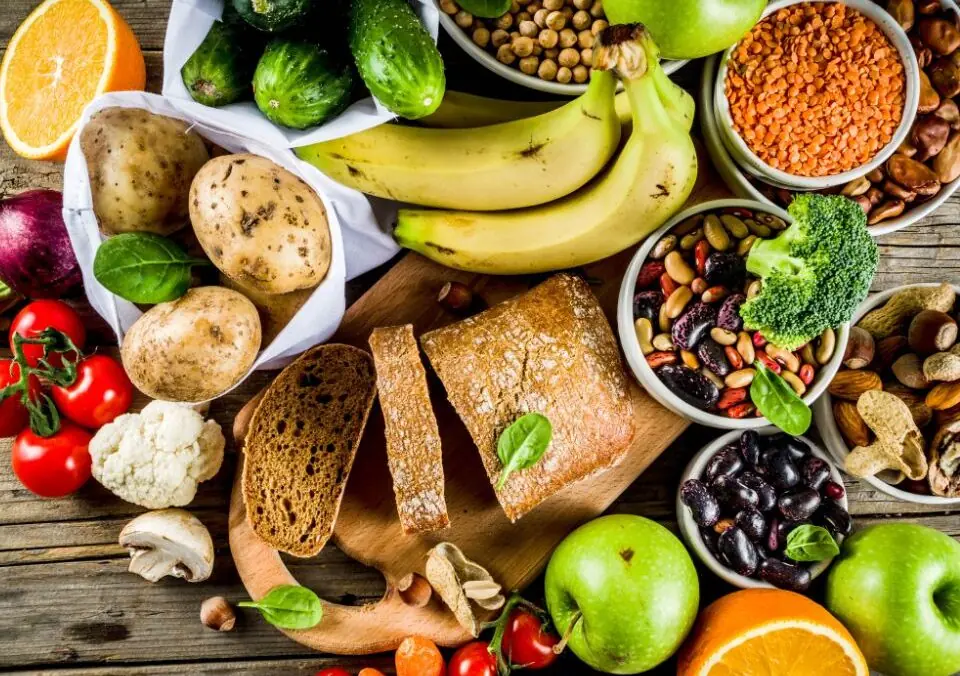
We’ve written a lot about the importance of getting plenty of fiber in your diet here on Fill Your Plate, and rightfully so! This important nutrient plays a vital role in maintaining our overall health. Unfortunately, many people aren’t getting enough fiber in their diets. According to various health organizations, the average person consumes only about 15 grams of fiber per day, while the recommended intake for adults is between 25 to 38 grams, depending on age and gender. This shortfall can lead to a range of health issues, including digestive problems, obesity, and heart disease.
To help you learn about the importance of fiber, its many benefits, and some delicious ways to incorporate it into your meals, we’ve compiled a collection of all the articles Fill Your Plate has written about fiber. Dive in to understand this vital nutrient better and discover how to enhance your diet with fiber-rich foods!
Fiber is Your Friend
Our very first article about fiber, “Fiber is Your Friend,” highlights why fiber is essential for our health. It explains that fiber is a type of carbohydrate that the body cannot digest. While other carbohydrates are broken down into sugar molecules, fiber cannot be digested and therefore aids in proper digestion, helps regulate blood sugar levels, and contributes to a feeling of fullness after meals. This means that including fiber in your diet can help control overeating and support weight management.
Additionally, dietary fiber can be categorized into two types: soluble and insoluble fiber. Soluble fiber dissolves in water and can help lower glucose levels and cholesterol, while insoluble fiber does not dissolve and is crucial for promoting regularity in digestion. Including a balance of both types in your diet is essential for optimal health.
Give Your Gut What It Needs: Fiber
In “Give Your Gut What It Needs: Fiber,” we delve deeper into how fiber works within our digestive system. This article discusses the relationship between a high-fiber diet and gut health, highlighting how fiber acts as a prebiotic. Prebiotics are compounds in food that promote the growth of beneficial bacteria in the gut, supporting a healthy microbiome.
A healthy gut plays a crucial role in overall wellness, influencing everything from digestion to mental health. Research has shown that a fiber-rich diet can help prevent conditions like irritable bowel syndrome (IBS) and reduce the risk of colon cancer. The article emphasizes the importance of incorporating high-fiber foods like legumes, whole grains, fruits, and vegetables into your daily meals to maintain optimal gut health.
Everything You Ever Wanted to Know About Fiber
If you’re curious about fiber, “Everything You Ever Wanted to Know About Fiber” is the perfect read for you. This comprehensive article covers the various types of fiber, its health benefits, and how to get enough of it in your diet.
One interesting point made in the article is that many people are unaware of how much fiber is present in commonly consumed foods. For instance, a cup of cooked lentils can provide over 15 grams of fiber, while an apple with skin offers about 4 grams. By becoming more familiar with these numbers, you can make more informed decisions about your meals and snacks.
Study: Increased Fiber Intake During Childhood Reduces Allergies
The article titled, “Study: Increased Fiber Intake During Childhood Reduces Allergies,” discusses emerging research indicating that fiber isn’t just important for adults; it’s particularly crucial for children. The study cited in this article suggests that children who consume a high-fiber diet are less likely to develop allergies.
This finding is thought to be linked to the changes that fiber creates in the gut microbiota, which can lower the risk of developing allergic responses. Parents can encourage their children to embrace fiber-rich foods from an early age by introducing fun, healthy snacks like fresh fruits, whole-grain breads, and vegetables. The article provides tips for parents on how to make these foods appealing to their children, helping ensure that the younger generation reaps the benefits of a fiber-rich diet.
Fiber-Rich Foods Help You Feel Full
In “Fiber-Rich Foods Help You Feel Full,” we explore one of the most beneficial aspects of fiber: its ability to keep you feeling satisfied. High-fiber foods tend to be more filling, which can help prevent snacking on unhealthy options throughout the day.
The article emphasizes that when you consume fiber, it expands in your stomach, promoting a feeling of fullness. This can be particularly helpful for those looking to manage their weight. Whole grains, fruits, vegetables, and legumes are highlighted as excellent sources of dietary fiber that can help curb cravings and stabilize hunger.
Non-Starchy Veggies Offer Healthful Fiber, Nutrients
“Non-Starchy Veggies Offer Healthful Fiber, Nutrients” focuses on the importance of incorporating non-starchy vegetables into your diet. While many people think of fiber primarily in the context of grains and fruits, non-starchy vegetables are also an excellent source.
Vegetables like broccoli, spinach, kale, bell peppers, and zucchini are packed not only with fiber but also with essential vitamins and minerals. Eating a colorful variety of these vegetables ensures a broader range of nutrients and keeps meals exciting. The article encourages readers to experiment with different cooking methods and recipes to incorporate these veggie powerhouses into their meals.
Need More Fiber? Add Nuts to Your Diet
If you’re looking for a quick and easy way to up your fiber intake, “Need More Fiber? Add Nuts to Your Diet” highlights the benefits of incorporating nuts into your snacks and meals. Nuts are not only a delicious way to add crunch but also a great source of healthy fats, protein, and fiber.
The article discusses various nuts, such as almonds, walnuts, and pistachios, along with their fiber content. It offers suggestions on how to consume them—whether as a snack, added to salads, or incorporated into baked goods. Nuts can provide a healthy energy boost and keep you feeling full for longer periods, making them a fantastic choice for those on the go.
4 Easy Ways to Get More Fiber
In “4 Easy Ways to Get More Fiber,” we provide practical tips for increasing your daily fiber intake. The article suggests simple changes, such as opting for whole grains instead of refined grains, adding beans to salads and soups, snacking on fruits and nuts, and including more veggies in every meal.
Each of these changes can significantly increase the fiber content of your diet without complicated meal planning. The article serves as an actionable guide for anyone looking to improve their fiber intake with minimal effort.

Convince Your Kiddos to Eat More Fiber
“Convince Your Kiddos to Eat More Fiber” is dedicated to parents who want to instill healthy eating habits in their children. The article provides creative strategies for encouraging kids to embrace fiber-rich foods, such as involving them in meal preparation, making colorful fruit and veggie platters, and creating fun names for dishes.
By presenting healthy foods in engaging ways, parents can help kids develop a taste for nutritious options early on. This approach not only boosts fiber intake but also fosters a lifelong appreciation for healthy eating.
Arizona Pecans Will Put More Fiber in Your Diet
Lastly, “Arizona Pecans Will Put More Fiber in Your Diet” highlights a local favorite. Pecans are not only delicious but also an excellent source of fiber. This article discusses the health benefits of incorporating Arizona pecans into your meals and snacks.
The article highlights recipes that feature pecans, offering creative ways to enjoy them whether in baked goods, salads, or simply as a snack. It also encourages supporting local Arizona farmers by purchasing locally grown products, which boosts both the economy and your health through the consumption of fresh, high-quality foods.
Conclusion
In conclusion, fiber is an essential nutrient that plays a critical role in maintaining our overall health. It improves digestion, helps manage weight, reduces the risk of chronic diseases, and supports a healthy gut microbiome. By incorporating fiber-rich foods into your daily diet—like whole grains, fruits, vegetables, legumes, and nuts—you can reap these benefits and improve your overall well-being.
As you explore the wealth of information about fiber on our blog, consider implementing some of the tips and strategies suggested in these articles. Not only will you enhance your nutrition, but you’ll also be supporting local Arizona agriculture by choosing locally grown fiber-rich foods.
For even more food and health articles or for more information on Arizona products and where to find them, check out the Fill Your Plate website! Your health journey begins with informed choices, and every high-fiber meal you create is a step toward a healthier you.
By Heide Kennedy, Arizona Farm Bureau Communications Intern



Featured Recipes


COTTAGE CHEESE & BLUEBERRY BREAKFAST BAKE
Read More


Warm Your Soul Lasagna Soup
Read More

Pear Lime Jello Salad
Read More