
Blog
How Farmers Use Cool Hours Irrigation to Conserve Water and Grow Your Food
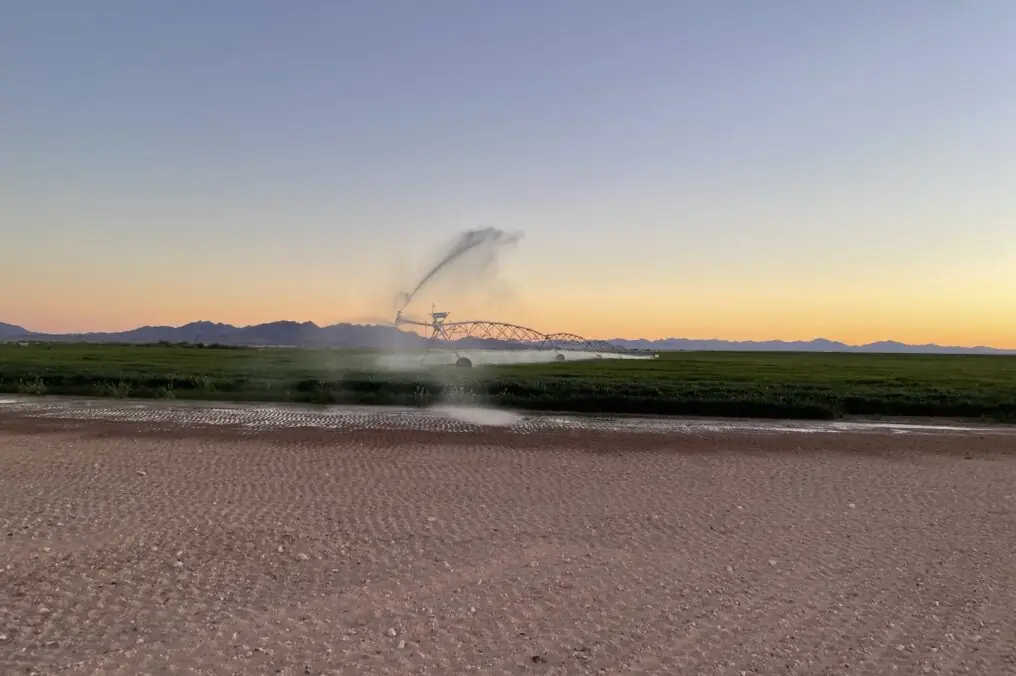
Growing up on our family farm in Arizona, I remember my dad, Pat Murphree, carefully planning what he called “night irrigations.” He talked often about how important the “night irrigator” was to the whole operation. Those late-night shifts weren’t just a job, they were a critical part of making sure every drop of water did its work in one of the hottest, driest places in the country.
The night irrigators themselves had stories that still stick with me. Before soil monitors and other modern tools existed, one of the simplest ways to know when the water had finally reached the end of the long rows was this: after starting a new irrigation set, you’d drive to the far end of the field, lie down in a furrow with your head toward the ditch, and wait. The second the cool water touched the top of your head, it was time to get up, check the rest of the rows, and move on to the next set. The only real risk? If you were a heavy sleeper, you might wake up soaked.
My brother Brent was one of those night irrigators. Too restless to doze off at the end of a row, he’d listen to music, watch for shooting stars, keep an eye out for snakes, or even take a quick swim in the ditch. “I’d look for aliens too,” he says with a laugh. “Never saw any.”
That old-school method points to something surprisingly simple that still matters enormously today: Cool Hours Irrigation. Also known as irrigation during cool hours or cool-season timing, it simply means watering crops (and landscapes) during the coolest parts of the day or night. In the morning that window is usually pre-dawn to shortly after sunrise, often 2 to 8 a.m. After sunset, farmers just call it night irrigation. The goal is straightforward: reduce the amount of water that evaporates into the hot, dry air so more of it reaches plant roots and the soil where it’s needed.
In Arizona and other Western states, this practice is a fundamental best practice for arid and semi-arid agriculture—and for everyday landscaping too. High temperatures, low humidity, strong winds, and intense sun drive rapid water loss, especially in summer. When plants are thirsty, irrigation still happens around the clock if necessary, but the preference is always for those cooler windows whenever possible.
Why This Simple Timing Strategy Matters So Much in Arizona
Arizona’s low desert regions regularly see summer temperatures above 110°F. Humidity stays low, winds pick up, and solar radiation is intense. All of that creates very high rates of water loss from both soil and plants. During the milder winters in the valleys, the problem eases, which is one reason Arizona’s winter vegetable crops are so valuable to the national food supply.
The benefits of sticking to cool hours are clear and practical:
- Water conservation. This is the biggest one. With ongoing pressure on Colorado River supplies, persistent drought, and tighter regulations, every gallon counts. Timing irrigation for cooler periods stretches limited water much further.
- Better plant uptake. Plants absorb water more efficiently when temperatures are lower—generally below about 90°F. Their tiny leaf openings (stomata) work more effectively in cooler conditions.
- Lower costs. Less water pumped means lower energy bills for farms and households alike. Many cities also enforce or strongly recommend time-of-day watering rules (common across the Phoenix metro area, Tucson, Prescott, and elsewhere). Following them avoids fines and supports community-wide conservation.
- A measurable cooling effect. Recently irrigated fields create a noticeable microclimate. Driving past a freshly watered alfalfa field with the truck windows down felt distinctly cooler than passing a dry, fallow field. That same cooling happens in urban landscapes too.
Even in city settings, many municipalities encourage or require watering before 10 a.m. or after 7 to 8 p.m. (sometimes an 8 p.m. to 8 a.m. window). Drip systems are often given more flexibility because they place water right at the roots—sometimes even below the surface—so far less is lost to evaporation.
The Simplest Strategy Still Delivers Big Results
At its heart, Cool Hours Irrigation is one of the least complicated water-saving techniques available. You don’t need expensive equipment to start. Shifting watering to the coolest hours of the day or night immediately cuts evaporation losses. That single change means more of the water you apply actually stays in the root zone instead of disappearing into the desert air.
Farmers in places like Yuma (famous for winter lettuce and vegetables), central Arizona (cotton and alfalfa), and date-growing areas build their schedules around this principle. They rely on data from the University of Arizona Cooperative Extension, AZMET weather stations, and other tools, but the core idea remains simple: water when the air is cooler and calmer.
Here’s what they—and increasingly, home gardeners and landscapers—pay attention to:
Timing Windows
The ideal is early morning, roughly 3 to 6 a.m. or 2 to 5 a.m. in summer, when temperatures bottom out and winds are usually light. After sunset (starting around 8 to 10 p.m.) is a solid alternative. Midday and peak heat or windy periods are avoided whenever possible. Smart controllers and real-time weather data now let systems shift automatically. Soil moisture probes take the guesswork out of knowing when the ground actually needs water. Center-pivot systems that apply water close to the ground and basin irrigation methods also help keep losses low. Irrigation technology today has advanced by leaps and bounds.
How Much and How Often
Deep, less frequent watering encourages deeper roots and stronger drought tolerance. Shallow, frequent watering does the opposite. Many use a cycle-and-soak approach: short applications with time in between so water soaks in instead of running off, especially important on Arizona’s sandy or compacted soils and slopes. The target is the active root zone—usually 6 to 12 inches or deeper depending on the crop. Amounts are calculated from crop water needs using reference weather data adjusted for the specific plant.
Matching the Site and the Crop
Soil type matters—sandy soils drain fast and may need more frequent adjustments. Plants with similar water needs and root depths are grouped together (hydrozoning). Slope, sun exposure (south- and west-facing areas dry out faster), shade, and microclimates all influence the schedule. Crop stage counts too: young plants or shallow-rooted vegetables like lettuce need more consistent moisture, while established trees or date palms benefit from deeper applications. Winter vegetable crops in Arizona enjoy cooler temperatures and lower evaporation, which is one reason those fields help fill grocery-store produce sections across the country during the colder months. Seasonal adjustments are routine—higher water needs in summer, reduced amounts when monsoon rains arrive or in winter.
Technology that Supports the Simple Idea
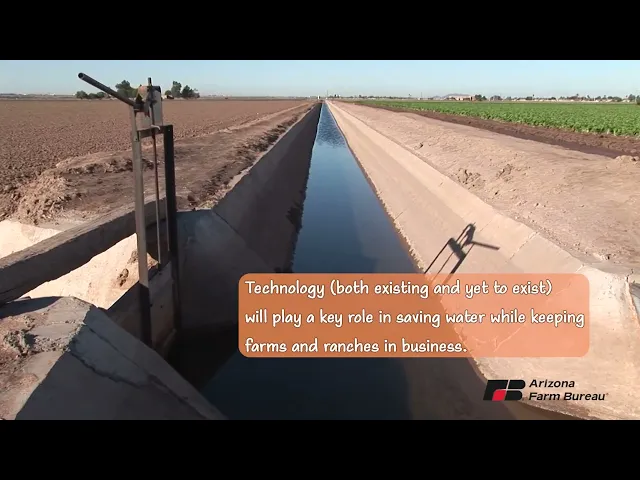
Smart controllers, soil moisture sensors, and weather-based systems automatically favor cool hours and adjust for rain or temperature. Regular system checks for uniformity, leaks, clogs (especially in drip emitters), and proper pressure keep everything efficient. Soil probes confirm moisture at root depth rather than relying on surface appearance. All of these tools give farmers—and home users—greater flexibility so managed irrigation truly wins.
Practical Realities
Local watering restrictions and drought stages must be followed. Early morning watering is preferred for most crops to reduce disease risk, though monsoon humidity requires extra monitoring for issues like powdery mildew. Filters need cleaning, lines need flushing, and equipment needs checking—especially in dusty conditions. The economic side is straightforward: efficient timing helps maintain yield and quality while using less water, and incentive programs often reward those improvements. Automated systems also mean less manual labor in extreme heat.
Why Everyday People Should Care
Cool Hours Irrigation is just one tool among many that farmers use to stretch water supplies. On our farm it was a constant consideration, and modern technology has made the practice even more precise. Yet the core strategy remains as simple as it was when night irrigators lay down in the furrows: water when the air is cooler so more of it reaches the plants that grow our food.
For non-farm audiences, this matters because the same principle applies in backyards, community gardens, and city landscapes. When homeowners and landscapers follow cool-hours guidance, they support the broader culture of conservation that keeps Arizona agriculture viable. Efficient irrigation on farms helps protect the winter vegetables, alfalfa, cotton, and other crops that end up on our plates. It also reduces pressure on shared water resources that everyone depends on.
The next time you see an irrigated field at dawn or notice your neighbor’s sprinklers running in the early morning, you’re looking at a practical response to desert reality. The simplest timing decision—watering during the cool hours—still delivers one of the most effective ways to conserve water while keeping plants healthy. In a place where every drop counts, that kind of everyday wisdom helps ensure the land continues to produce the food we all rely on.
By Julie Murphree, Arizona Farm Bureau Communications Director.


Featured Recipes


COTTAGE CHEESE & BLUEBERRY BREAKFAST BAKE
Read More


Warm Your Soul Lasagna Soup
Read More

Pear Lime Jello Salad
Read More