

Blog
Incorporate Turmeric into Your Diet
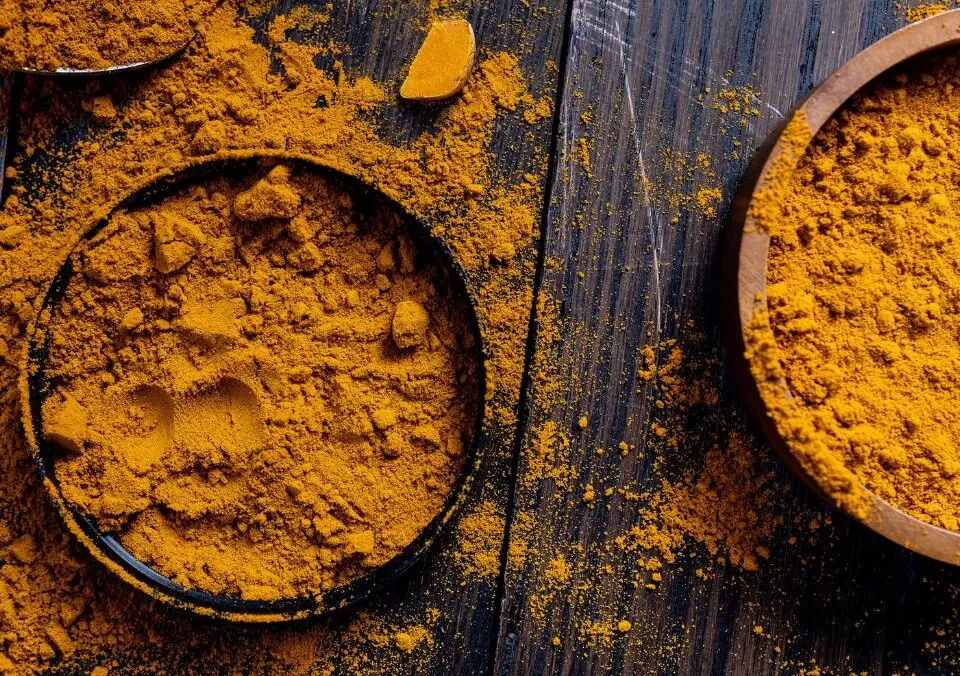
If you’re looking for natural ways to reduce inflammation, support long-term wellness, and possibly even extend your lifespan, one spice has continued to gain attention from researchers and health professionals alike: turmeric. This vibrant yellow spice, best known for its role in Indian and Middle Eastern cuisines, has been used for thousands of years in Ayurvedic and traditional medicine. Today, modern science is finally catching up, confirming what many cultures have known for centuries.
Turmeric isn’t just a flavorful addition to food. It contains powerful bioactive compounds that may reduce inflammation, protect the brain, support heart health, and even play a role in preventing chronic diseases. The most researched of these compounds is curcumin, a natural antioxidant and anti-inflammatory agent that has captured the attention of scientists around the world.
Below, we’ll explore the science behind turmeric, how curcumin works in the body, the health benefits associated with regular turmeric consumption, and simple ways to incorporate it into your everyday diet.
The Science Behind Curcumin: Understanding the Active Compound in Turmeric
According to registered dietitian Lauren Manaker, turmeric contains a unique active compound called curcumin, which is primarily responsible for the spice’s health-boosting potential. Curcumin has been widely studied for its anti-inflammatory, antioxidant, antimicrobial, and even anticancer properties.
Why Curcumin Is So Powerful
Curcumin’s power lies in its ability to:
- Reduce inflammation at the cellular level
- Neutralize free radicals
- Modulate immune responses
- Support brain and heart function
- Influence gene expression and cellular pathways
While turmeric contains only 2–8% curcumin by weight, even this small amount can offer significant health benefits—especially when combined with black pepper, which dramatically enhances curcumin absorption (more on that later).
How Curcumin Reduces Inflammation at the Cellular Level
Inflammation is a normal immune response, but chronic inflammation contributes to many long-term diseases, including arthritis, heart disease, Alzheimer’s, metabolic syndrome, and certain cancers. Curcumin works by blocking inflammatory pathways in the body, including enzymes and proteins such as COX-2, NF-κB, and cytokines.
A comprehensive study published by The Journal of Alternative and Complementary Medicine found that curcumin has anti-inflammatory effects comparable to common medications—without the same potential side effects. This makes turmeric a promising option for supporting long-term inflammation control.
The Antioxidant Strength of Curcumin: Protecting Cells from Damage
Another reason turmeric is celebrated is because of curcumin’s antioxidant power. Antioxidants help neutralize free radicals, which contribute to aging, cellular damage, and chronic disease.
According to research from the Mayo Clinic, oxidative stress is a key driver in many degenerative conditions. Curcumin’s antioxidants help reduce this stress and protect the body from long-term damage. By fighting oxidative stress, turmeric provides a powerful line of defense for overall cellular health.
Turmeric May Reduce Brain Inflammation and Support Cognitive Function
Chronic inflammation in the brain is believed to contribute to depression, cognitive decline, and neurodegenerative diseases like Alzheimer’s.
Curcumin can cross the blood–brain barrier, making it one of the few natural compounds capable of directly influencing brain inflammation.
A 2018 clinical study published in the American Journal of Geriatric Psychiatry found that daily curcumin supplementation improved memory and attention in adults with mild cognitive decline. The participants also showed decreased levels of amyloid and tau—proteins linked to Alzheimer’s disease.
Turmeric May Help Prevent or Treat Alzheimer’s Disease
Alzheimer’s disease involves inflammation, oxidative stress, and plaque buildup in the brain. Curcumin may positively influence all three pathways.
Research suggests that curcumin:
- Reduces amyloid plaque formation
- Decreases neuroinflammation
- Acts as a neuroprotective antioxidant
The Science Direct notes that curcumin’s anti-inflammatory effects make it a promising area of study for preventing cognitive decline. While more human studies are needed, the early results are highly encouraging.
Turmeric Can Support Heart Health and Reduce Heart Disease Risk
Heart disease remains the leading cause of death worldwide, but curcumin’s ability to reduce inflammation and oxidative stress may help protect cardiovascular health.
Research shows that curcumin may:
- Improve endothelial function (the lining of blood vessels)
- Reduce LDL oxidation
- Decrease inflammation linked to arterial plaque
- Support healthier blood pressure
Turmeric May Play a Role in Cancer Prevention
One of the most heavily studied areas of curcumin research is its potential anticancer properties.
Curcumin has been shown to:
- Reduce tumor cell growth in lab studies
- Promote cancer cell apoptosis (cell death)
- Reduce inflammation associated with cancer development
- Block angiogenesis (the growth of blood vessels that feed tumors)
The American Cancer Society acknowledges growing interest in curcumin as a complementary therapy. While turmeric is not a cure for cancer, its role in cancer prevention and support is a promising area of continued study.
The Importance of Pairing Turmeric with Black Pepper
When incorporating turmeric into your diet, one crucial step is to combine it with black pepper. Black pepper contains piperine, a natural compound that dramatically increases curcumin absorption.
How much does it help?
Studies show that piperine enhances curcumin bioavailability by up to 2,000%. Without black pepper, much of the curcumin passes through the body without being fully absorbed.
This means the best way to consume turmeric is:
- Turmeric + Black Pepper
- Turmeric + Healthy Fat (like coconut oil or olive oil)
- Turmeric + Heat (light heating increases absorption)
How to Add More Turmeric to Your Daily Diet
One of the greatest strengths of turmeric is its versatility. You don’t need supplements (though they are available). You can easily incorporate turmeric into everyday meals.
Here are simple, delicious ways to add it:
1. Cook with It
Sprinkle it into:
- Rice
- Lentils
- Marinades
- Roasted vegetables
- Soups
- Curries
- Egg dishes
2. Add It to Juices or Smoothies
A small teaspoon blends smoothly into:
- Orange juice
- Carrot juice
- Green smoothies
- Ginger-based smoothies
3. Stir It into Sauces or Dressings
Try adding turmeric to:
- Yogurt sauces
- Tahini dressing
- Honey-mustard dressing
- Hummus
4. Make Turmeric Tea (“Golden Milk”)
A soothing anti-inflammatory beverage made with:
- Warm milk or plant milk
- Turmeric
- Black pepper
- Ginger
- Honey
- Cinnamon
5. Take a Curcumin Supplement
If you prefer a more concentrated dose, supplements are available. Choose a formula that includes piperine or uses liposomal delivery for absorption.

Recommended Daily Amount: How Much Is Enough?
Most research studies use between 500 mg and 2,000 mg of curcumin per day, often in supplement form. This is equivalent to roughly:
- ½ to 1 teaspoon of turmeric powder daily
If relying on cooking alone, aim for 1–2 teaspoons of turmeric spread throughout the day—always paired with pepper.
As always, people with medical conditions or those taking medications (especially blood thinners) should consult their healthcare provider before beginning high-dose turmeric supplementation.
Turmeric’s Role in Longevity and Whole-Body Wellness
Turmeric’s benefits extend beyond reducing inflammation and supporting cognitive and heart health. Its combination of antioxidant and anti-inflammatory properties supports the entire body.
Additional potential benefits include:
- Better joint comfort
- Improved mood and emotional balance
- Enhanced digestive health
- Stronger immune function
- Anti-aging effects on skin and cells
Cultures that regularly consume turmeric—such as regions in India and parts of Southeast Asia—have historically shown lower rates of certain chronic diseases. While diet is only part of this picture, turmeric likely contributes to these patterns.
Final Thoughts: Turmeric Is a Small Spice with a Big Impact
Who knew that this simple spice could have such a significant—and scientifically supported—impact on our health? Whether you’re looking to reduce inflammation, support heart and brain health, or simply add more antioxidants to your diet, turmeric is a natural and versatile option.
The key is consistency. Try using turmeric regularly as a seasoning, mixing it into juices or smoothies, or enjoying a warm cup of turmeric tea. With black pepper to enhance absorption, you can maximize curcumin’s powerful benefits.
For more health-related articles, check out the Fill Your Plate blog!
By Heide Kennedy, Arizona Farm Bureau Communications Intern



Featured Recipes

COTTAGE CHEESE & BLUEBERRY BREAKFAST BAKE
Read More


Warm Your Soul Lasagna Soup
Read More
Pear Lime Jello Salad
Read More