

Blog
Less Processed Sugar Substitutes: A Comprehensive Guide to Natural Sweeteners
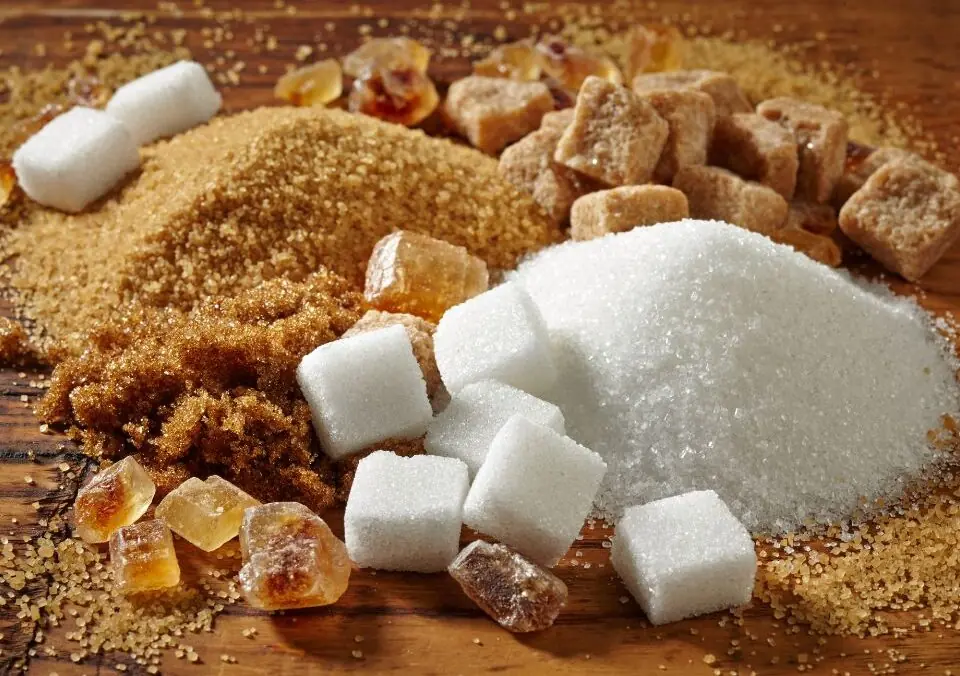
In recent years, there has been a growing awareness of the impact that highly processed foods have on our health. Central to this conversation is the role of sugar—not just any sugar, but specifically refined white sugar, which is omnipresent in modern diets. As more people turn towards whole-food eating patterns such as the paleo diet, the demand for less processed sugar substitutes has soared. This shift is not merely a passing trend; it reflects a deeper understanding of the relationship between nutrition, wellness, and the quality of ingredients we consume.
This article explores minimally processed sugar substitutes that can be used as alternatives to refined white sugar. We’ll discuss why reducing processed sugar is important, examine popular natural sweeteners like coconut sugar and honey, and introduce additional options such as maple syrup, date sugar, and monk fruit. Throughout, you’ll find links to scientific studies and reputable sources to help you make informed choices about sweetening your food in a healthier way.
Why Avoid Highly Processed Sugars?
Refined sugars, such as white cane sugar and high-fructose corn syrup, are stripped of virtually all nutrients during processing, leaving behind pure sucrose or fructose. Consuming these sugars in excess is strongly linked to a range of health problems, including obesity, type 2 diabetes, heart disease, and fatty liver disease. According to the World Health Organization, limiting free sugar intake—meaning sugars added to foods and drinks—can reduce the risk of these chronic diseases.
The paleo diet, as well as other whole-food-based dietary approaches, seeks to eliminate processed ingredients, focusing instead on foods as close to their natural state as possible. This means avoiding refined sugars and seeking out natural, minimally processed alternatives that provide sweetness along with nutritional value.
Understanding the Paleo Approach to Sweeteners
The paleo diet is rooted in the principle of eating like our ancestors—primarily whole, unprocessed foods that could be hunted or gathered. This includes vegetables, fruits, nuts, seeds, lean meats, and fish. When it comes to sweeteners, the paleo community generally permits those that are naturally derived and minimally processed. However, even natural sweeteners are to be used in moderation, as excessive sugar consumption, regardless of the source, can still have negative health impacts.
My Personal Transition: Discovering Natural Sweeteners
Last year, I began following the paleo diet. The initial adjustment was challenging, primarily because I had to become more conscious of the types of sweeteners I used. White cane sugar, which I had always used in baking, coffee, and desserts, was no longer an option. Instead, I needed to find alternatives that were both compatible with the paleo philosophy and appealing to my taste buds.
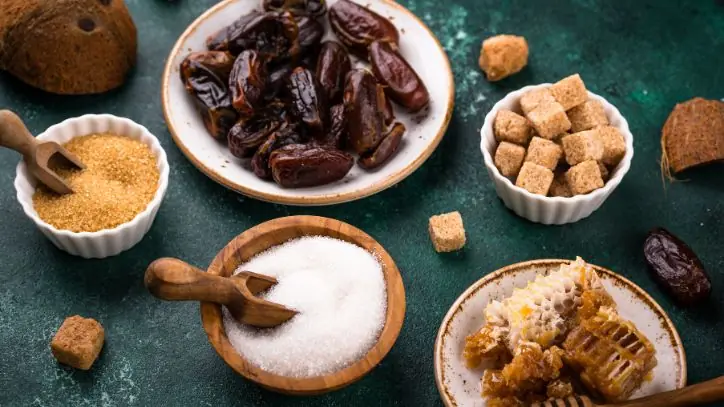
After exploring several options, I discovered two minimally processed sweeteners that quickly became staples in my kitchen: coconut sugar and raw honey. Not only do these substitutes align with a whole-foods lifestyle, but they also offer unique flavors and additional nutrients compared to refined sugar.
Coconut Sugar: The Tropical, Mineral-Rich Alternative
Coconut sugar is derived from the sap of the coconut palm’s flower buds. This sap is collected, heated, and then dehydrated to form granules similar in appearance and texture to brown sugar. What sets coconut sugar apart is its minimal processing—there are no chemical bleaching agents or anti-caking agents involved.
Nutritional Profile and Health Benefits
Coconut sugar retains trace amounts of nutrients from the coconut palm, including iron, zinc, calcium, potassium, and small amounts of B and C vitamins. While the amounts are not large enough to fulfill daily requirements, they are higher than those found in white sugar, which is virtually devoid of nutrients.
One of the most cited benefits of coconut sugar is its lower glycemic index (GI) compared to regular sugar. The glycemic index measures how quickly a food raises blood glucose levels. Coconut sugar has a GI of approximately 35, while table sugar is around 60. This slower absorption may help reduce spikes in blood sugar, which is beneficial for those managing diabetes or seeking steady energy levels.
Flavor, Uses, and Sustainability
Coconut sugar has a rich, caramel-like flavor and a brown hue, making it an excellent substitute for brown sugar in recipes. It can be used one-to-one in place of granulated sugar in baking, beverages, and sauces.
Beyond its taste, coconut sugar is often considered more environmentally sustainable than cane sugar. Coconut palms require less water and produce more sugar per acre than sugar cane, making them a more eco-friendly option.
Limitations
Despite its benefits, coconut sugar is still a form of sugar and should be consumed in moderation. Its calorie content is similar to regular sugar, and overconsumption can still contribute to weight gain and metabolic issues.
Honey: Nature’s Multifaceted Sweetener
Honey is one of the oldest known sweeteners, having been used for thousands of years not only as a food but also as a natural remedy for various ailments. Raw honey is made by bees from the nectar of flowers and harvested with minimal processing, which preserves its beneficial compounds.
Nutritional Benefits
Unlike refined sugar, raw honey contains antioxidants, enzymes, and small amounts of vitamins and minerals such as vitamin C, iron, and calcium. The antioxidant content varies depending on the floral source but can be significant, helping the body combat oxidative stress.
Clinical studies suggest that raw honey may have antimicrobial, anti-inflammatory, and even prebiotic effects. Consuming honey has been associated with lower fasting blood glucose and improved cholesterol profiles.
Raw vs. Pasteurized Honey
To maximize the health benefits of honey, it is important to choose raw, unpasteurized varieties. Pasteurization—typically done to extend shelf life—destroys many of the enzymes, antioxidants, and nutrients that make honey beneficial.
Versatility in the Kitchen
Honey’s unique flavor profile ranges from floral and fruity to earthy and herbal, depending on its source. It dissolves easily in liquids, making it perfect for sweetening beverages like tea and coffee, as well as for use in salad dressings and marinades. In baking, honey can impart moisture and a subtle complexity to cakes, muffins, and breads.
Cautions and Considerations
While honey is a natural product, it is still high in sugar and calories. It is not suitable for infants under one year due to the risk of botulism. As with all sweeteners, moderation is key.
Other Minimally Processed Sugar Substitutes
In addition to coconut sugar and honey, several other natural sweeteners can serve as alternatives to highly processed sugars. Here are a few popular choices:
Maple Syrup
Maple syrup is produced by concentrating the sap of sugar maple trees. Like honey, it contains antioxidants and small amounts of minerals such as manganese and zinc. The darker, grade B varieties are especially rich in flavor and nutrients.
When choosing maple syrup, look for 100% pure syrup rather than products labeled “pancake syrup,” which often contain high-fructose corn syrup and artificial flavors.
Date Sugar and Syrup
Date sugar is made from dried, ground dates, while date syrup is produced by boiling dates and concentrating their juice. Both options retain the fiber, vitamins, and minerals present in whole dates, such as potassium and magnesium. Date syrup has a rich, fruity flavor and can be used in baking, smoothies, and sauces.
Monk Fruit Sweetener
Monk fruit, or luo han guo, is a small melon native to Southeast Asia. Monk fruit extract contains mogrosides, compounds that are intensely sweet but do not raise blood sugar levels. As a result, monk fruit sweetener is popular among those following low-carb or ketogenic diets.
Stevia
Stevia is derived from the leaves of the Stevia rebaudiana plant. It is many times sweeter than sugar but contains no calories and does not affect blood glucose levels. Look for minimally processed, pure stevia extract rather than blends with added fillers.
| Sweetener | Description | Nutritional Benefits | Flavor & Uses | Limitations / Considerations |
|---|---|---|---|---|
| Coconut Sugar | Derived from the sap of coconut palm flower buds and minimally processed into granules similar to brown sugar. | Contains trace minerals such as iron, zinc, calcium, potassium, and small amounts of B and C vitamins; lower glycemic index (~35) than table sugar. | Rich, caramel-like flavor; can replace brown or white sugar 1:1 in recipes; suitable for beverages, baking, and sauces. | Still a form of sugar with similar calories; should be consumed in moderation. |
| Honey | A natural sweetener produced by bees from flower nectar; raw honey undergoes minimal processing. | Provides antioxidants, enzymes, and small amounts of vitamins and minerals; may support antimicrobial, anti-inflammatory, and prebiotic effects. | Versatile in drinks, dressings, marinades, and baked goods; adds moisture and complex flavor. | High in sugar and calories; not safe for infants under one year due to botulism risk. |
| Maple Syrup | Concentrated sap from sugar maple trees; naturally sweet with varying intensities depending on grade. | Contains antioxidants and minerals such as manganese and zinc. | Great for baking, sauces, glazes, and breakfast foods; choose 100% pure maple syrup. | High sugar content; can be expensive compared to other sweeteners. |
| Date Sugar & Date Syrup | Date sugar is ground dried dates; date syrup is concentrated boiled date juice. | Retains fiber, potassium, magnesium, and other nutrients from whole dates. | Rich, fruity flavor; excellent for baking, smoothies, and sauces. | Date sugar does not dissolve well in liquids; both still contribute natural sugars. |
| Monk Fruit Sweetener | Made from the monk fruit (luo han guo), a small melon native to Southeast Asia. | Contains mogrosides that are extremely sweet but do not raise blood sugar levels. | Popular for low-carb and keto diets; used in baking and beverages. | Some products contain fillers; pure monk fruit extract can be expensive. |
| Stevia | A zero-calorie sweetener extracted from the Stevia rebaudiana plant. | Does not impact blood glucose levels; naturally very sweet. | Used in beverages, baking, and low-calorie recipes; available as liquid or powder. | Can have a bitter aftertaste; processed blends may contain additives. |
Choosing the Right Sweetener for Your Needs
With so many natural sweeteners available, it can be challenging to decide which is best for you. Here are some factors to consider:
- Nutritional content: Some sweeteners provide trace minerals and antioxidants, while others are primarily used for flavor.
- Glycemic impact: If you are managing blood sugar, seek out low-GI options like coconut sugar, monk fruit, or stevia.
- Flavor profile: Each sweetener has a unique taste that may complement certain dishes better than others.
- Dietary compatibility: Check whether the sweetener fits your dietary approach (e.g., paleo, vegan, low-carb).
- Processing: Opt for products that are as close to their natural state as possible, with minimal additives.
Tips for Transitioning to Natural Sweeteners
Switching from refined sugar to less processed alternatives takes some adjustment. Here are a few tips to help ease the transition:
- Start Slowly: Begin by substituting a portion of the sugar in recipes with your chosen alternative. Gradually increase the amount over time.
- Experiment with Flavors: Try different sweeteners to find the ones that best suit your tastes and culinary needs.
- Adjust Recipes: Natural sweeteners may have different moisture contents, sweetness levels, and flavors. You might need to tweak your recipes for optimal results.
- Read Labels Carefully: Even natural sweeteners can be adulterated with fillers or processed sugars. Always check ingredient lists for purity.
- Practice Moderation: While these options are less processed, they are still sources of sugar and should be enjoyed in moderation.
Addressing Common Myths about Natural Sweeteners
There are several misconceptions about natural sweeteners that deserve clarification:
- Myth: All natural sweeteners are healthier than sugar. Fact: While they may contain more nutrients or have a lower glycemic index, they are still sources of sugar and calories.
- Myth: You can eat unlimited amounts of honey or coconut sugar. Fact: Overconsumption can still contribute to health problems, including weight gain and blood sugar spikes.
- Myth: Artificial sweeteners are always worse for you than natural ones. Fact: The safety and health effects of artificial and natural sweeteners depend on the specific compound, the amount consumed, and individual health conditions.
Conclusion: Embracing Healthier Sweetening Choices
Choosing less processed sugar substitutes is a meaningful step toward a healthier diet. By opting for sweeteners like coconut sugar, raw honey, maple syrup, date sugar, monk fruit, or stevia, you can reduce your reliance on heavily refined sugars and add variety—and perhaps even nutrition—to your meals.
Remember, the key to a healthy relationship with sweetness is moderation and mindfulness. Use these natural sweeteners to enhance the flavors of whole foods, not to mask them. As you experiment, you may find that your palate adjusts, and you come to enjoy the subtle, complex flavors that natural sweeteners offer.
For more health-related articles, recipes, and tips, visit the Fill Your Plate blog.
By Heide Kennedy, Arizona Farm Bureau Communications Intern



Featured Recipes

COTTAGE CHEESE & BLUEBERRY BREAKFAST BAKE
Read More


Warm Your Soul Lasagna Soup
Read More
Pear Lime Jello Salad
Read More