
Blog
Move Over, Olive Oil! Whole Olives are Just as Nutritious!

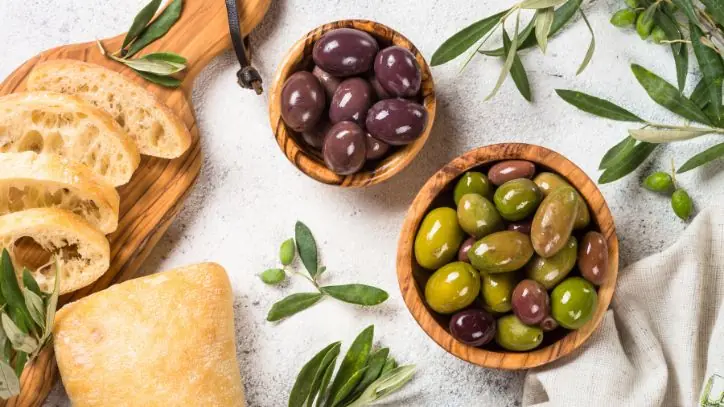
When it comes to healthy fats, olive oil has long been hailed as the gold standard. It’s known for its numerous health benefits and is a staple in Mediterranean diets. However, whole olives often find themselves overshadowed by their liquid counterpart. What many people may not realize is that whole olives are just as nutritious and come with their own unique set of health benefits. In this article, we will delve into the rich nutritional profile of whole olives, their health benefits, and creative ways to incorporate them into your meals.
The Allure of Whole Olives
What’s not to love about whole olives? Their salty and savory flavor enhances a variety of dishes, from pasta to salads to pizzas. For many, olives evoke nostalgia—childhood memories of snacking on black olives and pretending they were rings on fingers at family gatherings. The joy of tasting olives can be attributed not just to their taste but also to the fun in eating them. Sticking fingers into jars and popping them into your mouth is a process that many find delightful.
Besides their memorable taste and texture, olives pack a nutritional punch. It is essential to look beyond the typical image of olives being just a cocktail garnish or a pizza topping. When you consider their health advantages, you will realize how versatile and beneficial they can be in a daily diet.
The Nutritional Profile of Olives
According to registered dietitian Adda Bjarnadottir, olives boast a variety of nutrients essential for maintaining good health. Despite their small size, they are nutrient-dense. Here’s what you can expect from a serving of whole olives:
- Monounsaturated Fat: Olives are rich in monounsaturated fats, which are considered healthy fats. These fats can help reduce the risk of heart disease, lower bad cholesterol levels, and improve overall heart health.
- Oleic Acid: This fatty acid is known for its anti-inflammatory properties, which can be beneficial in reducing inflammation in the body.
- Fiber: Olives are a good source of dietary fiber, which is vital for digestive health. Fiber helps keep the digestive system running smoothly and can aid in maintaining a healthy weight.
- Vitamin E: This powerful antioxidant plays a crucial role in skin health and has anti-inflammatory effects. Vitamin E can also help protect your body from oxidative stress.
- Iron: Essential for creating red blood cells, iron is crucial for oxygen transport in the body. A diet rich in olives can contribute to your overall iron intake.
- Copper: Olives contain copper, which supports immune function and plays a role in iron metabolism.
- Calcium: Necessary for healthy bones and teeth, calcium is another mineral that olives provide.
- Antioxidants: Olives are rich in antioxidants, including oleuropein, hydroxytyrosol, tyrosol, oleanolic acid, and quercetin. These compounds can help combat oxidative stress and inflammation.
Health Benefits of Eating Olives
With such a rich nutritional profile, it’s no wonder that registered dietitian Devon Peart highlights many health benefits associated with regular olive consumption. These benefits include:
- Heart Health: The monounsaturated fats found in olives can help maintain healthy cholesterol levels, thus reducing the risk of cardiovascular disease. Furthermore, the antioxidants in olives help combat oxidative stress that can damage blood vessels.
- Anti-inflammatory Properties: Chronic inflammation is linked to various health issues, including heart disease and cancer. The compounds found in olives, especially oleocanthal, have been shown to have similar anti-inflammatory effects as ibuprofen.
- Blood Sugar Management: Regular consumption of olives can help regulate blood sugar levels thanks to their healthy fats and fiber content. This is especially beneficial for individuals managing diabetes.
- Weight Management: Olives can be a satisfying snack that may aid in weight control. Their healthy fat content can help keep you full, reducing the likelihood of overeating.
- Bone Health: The calcium and antioxidants present in olives contribute to maintaining strong bones and may help in preventing osteoporosis, a condition that weakens bones.
- Gut Health: The fiber content in olives promotes digestive health by contributing to a healthy gut microbiome, which plays a role in overall health.
- Skin Health: The antioxidants in olives can help protect skin cells from damage and promote a youthful appearance.
How to Incorporate Olives into Your Diet
Now that we understand the nutritional benefits of whole olives, you might be wondering how to include them in your daily meals. Here are some delicious and creative ways to enjoy olives:
- Salads: Olives can elevate the flavor of just about any salad. Try adding them to Mediterranean salads alongside feta cheese, cucumbers, and cherry tomatoes.
- Tapenade: This traditional spread made from blended olives, capers, and olive oil is perfect for bread or as a dip for vegetables. You can make your tapenade by combining black olives with garlic, lemon juice, and herbs for added flavor.
- Pasta Dishes: Add sliced olives to pasta salads or toss them into warm pasta dishes. They pair beautifully with ingredients like sun-dried tomatoes, artichokes, and spinach.
- Pizza: Whether you’re a fan of classic Mediterranean pizzas or you prefer a more traditional Margherita, olives can introduce a delightful saltiness that enhances the overall flavor.
- Antipasto Platters: Include olives in your charcuterie or antipasto platters. They pair well with cured meats, cheeses, and marinated vegetables, making them a perfect addition to parties.
- Stuffed Olives: Try stuffing olives with various ingredients such as garlic, cheese, or almonds. Stuffed olives can be a fun appetizer or snack option.
- Olive Oil: While whole olives are wonderful, combining Them with their liquid counterpart can give you the best of both worlds. Use olive oil in salad dressings or for sautéing, and complement it with whole olives in dishes.
- Baked Goods: Incorporate chopped olives into bread or muffin recipes for a savory twist. The briny flavor adds an interesting contrast to traditional sweet baked goods.
- Bruschetta: Top toasted bread with crushed olives, diced tomatoes, garlic, and fresh herbs for a quick and flavorful appetizer.
- Soups and Stews: Olives can add depth of flavor to various soups and stews. Consider adding them to Mediterranean vegetable soups or chickpea stews.

Frequently Asked Questions About Olives
Are all olives the same?
No, there are various types of olives, each with unique flavors and uses. Green olives are typically harvested before they ripen, while black olives are fully ripened. Different varieties exist, including Kalamata, Castelvetrano, and Manzanilla, all with distinct tastes.
Do olives contain gluten?
Olives are naturally gluten-free, making them an excellent choice for individuals with gluten sensitivities. However, be mindful of the processing methods and any added ingredients that may contain gluten.
Are olives high in sodium?
Many olives are cured in brine, which can make them high in sodium. If you’re watching your sodium intake, look for low-salt or no-salt-added varieties.
Can I eat olives if I’m on a diet?
Yes, olives can be consumed as part of a balanced diet. Their healthy fats and fiber can be beneficial for weight management, as they promote satiety.
How should olives be stored?
Olives can be stored in the refrigerator in their brine or oil to maintain their freshness. Once opened, they should be consumed within a few weeks for the best flavor.
Conclusion
Whole olives may not receive the same spotlight as olive oil, but their health benefits and versatility are undeniable. Packed with nutrients, healthy fats, and antioxidants, they can play an important role in a balanced diet. From enhancing the flavor of dishes to offering health benefits such as improved heart health and anti-inflammatory properties, incorporating whole olives into your meals is a delicious and nutritious choice. So, the next time you’re in the grocery store, don’t just pass by those jars of olives—grab a can or two and discover the myriad of ways to enjoy this tasty and wholesome fruit!
For more health-related articles, remember to check out the Fill Your Plate blog!
By Heide Kennedy, Arizona Farm Bureau Communications Intern



Featured Recipes


COTTAGE CHEESE & BLUEBERRY BREAKFAST BAKE
Read More

Warm Your Soul Lasagna Soup
Read More
Pear Lime Jello Salad
Read More