
Blog
Sprinkle Your Foods with a Little Extra Nutrition!
When it comes to cooking healthy meals, many people think of drastic changes to their diets, such as cutting back on carbohydrates, reducing sugar and sodium intake, and increasing their consumption of fruits and vegetables. While these adjustments are undoubtedly beneficial, improving your diet doesn’t always require such sweeping alterations. Sometimes, something as simple as sprinkling nutrient-dense foods on your regular meals can lead to significant health benefits.
Adding a sprinkle of extra nutrition can make a remarkable difference without requiring profound changes to your lifestyle. In fact, many small, sprinkle-able foods come packed with vitamins, minerals, healthy fats, fiber, and antioxidants. According to registered dietitian Samantha Cassetty, while the amount you add might not meet your total daily nutrient needs, every bit contributes to your overall goals. It’s simple: a little added nutrition can accumulate over time and lead to healthier eating habits.
Here, we’ll delve deeper into the importance of nutrition and explore several easy-to-use nutrient-boosters.
Nutritional Philosophy: More is More at a Micro Level
The idea behind this “sprinkle” approach is based on the principle of micro-nutrition: incorporating small, nutritious foods into your meals can elevate your diet without requiring extensive meal prep or significant dietary changes. By thoughtfully adding these foods to your meals, you can enhance flavors and textures while boosting your nutrient intake, helping to meet your dietary goals.
For example, if you typically enjoy oatmeal for breakfast, consider enhancing it by sprinkling chia seeds or cinnamon on top. This simple action does not only improve the taste but also packs your meal with additional omega-3 fatty acids, fiber, and antioxidants. Little actions can lead to big differences, making it easier to reach your health goals.
Nutrient-Rich Sprinkles: What to Consider
Now, let’s take a look at some examples of sprinkle-able foods that can transform your meals into a nutrient-rich feast:
- Cinnamon
A beloved spice, cinnamon is known for its sweet and warm flavor. Beyond taste, it offers potential health benefits. It may help lower blood sugar levels, and it possesses anti-inflammatory properties. Sprinkling cinnamon on oatmeal, yogurt, or even in your coffee can elevate your meals while providing antioxidants. Research suggests that cinnamon can also improve insulin sensitivity. - Hemp Seeds
These tiny, nutty seeds are a complete protein source, providing all nine essential amino acids. Rich in omega-3 and omega-6 fatty acids, hemp seeds can help reduce inflammation and support heart health. Add them to salads, smoothies, or breakfast bowls for a nutritious boost. Studies indicate that regular consumption of hemp seeds may be beneficial for cardiovascular health. - Chia Seeds
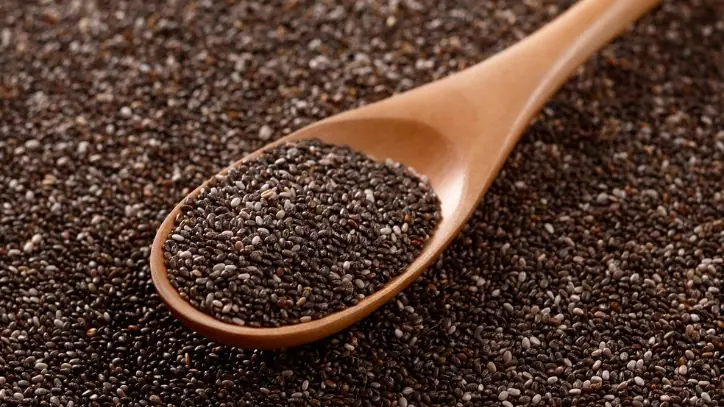
Known for their ability to absorb liquid and form a gel-like texture, chia seeds are a fantastic source of fiber and omega-3 fatty acids. They can help keep you feeling full longer, making them an excellent addition to smoothies, puddings, and baked goods. Incorporating chia seeds into your diet can also aid in digestion and help regulate blood sugar levels, as suggested by this research. - Garlic
This aromatic bulb is not only a staple in various cuisines but also comes with a wealth of health benefits. Garlic can boost the immune system, lower blood pressure, and improve cholesterol levels. Sprinkling minced garlic or garlic powder onto roasted vegetables or incorporating it into sauces can enhance flavor and nutrition. Research supports its cardiovascular benefits, highlighting its importance in a balanced diet. - Flaxseed
A powerhouse of omega-3 fatty acids, flaxseed is also high in lignans, a group of antioxidants. Regularly incorporating ground flaxseed into your meals can contribute to improved heart health and reduced risk of cancer. You can add it to smoothies, oatmeal, or even baked goods for an extra health boost. Studies suggest flaxseed may help with cholesterol management. - Beetroot Powder
This vibrant powder is derived from beets and contains various vitamins and minerals, including folate, manganese, and potassium. Beetroot powder is known for its ability to enhance athletic performance and improve blood flow. Adding a sprinkle to smoothies or yogurt can boost its nutritional profile significantly. Research has shown that beetroot supplementation may increase exercise endurance. - Red Pepper Flakes
A favorite for adding a kick to dishes, red pepper flakes contain capsaicin, known for its metabolism-boosting properties. By incorporating red pepper flakes into your meals, you’ll not only enhance flavor but potentially aid in weight management as well. Studies suggest that capsaicin may increase calorie burning and reduce hunger according to this research. - Cocoa Powder
Unsweetened cocoa powder is an excellent source of antioxidants, particularly flavonoids, which can provide various health benefits, including improved heart health and lower blood pressure. Although often associated with desserts, you can add cocoa powder to smoothies, oatmeal, and even chili to reap its benefits. Research supports its potential role in cardiovascular health. - Nutritional Yeast
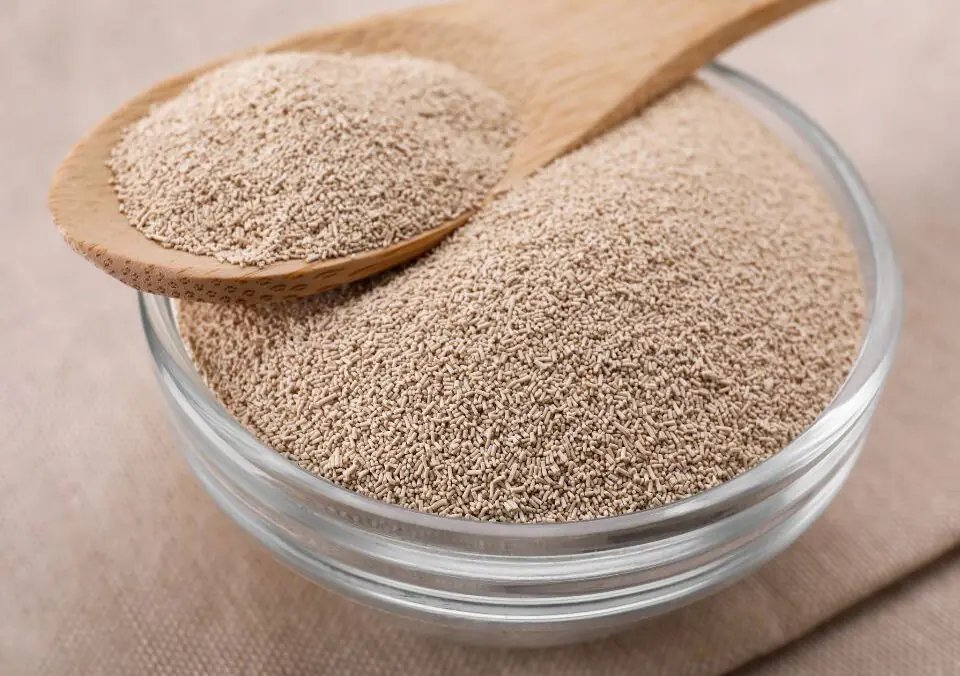
Known for its cheesy flavor, nutritional yeast is a staple among vegans and vegetarians. It is packed with B-vitamins, particularly B12, which is crucial for nerve function and the production of DNA and red blood cells. Sprinkle it on popcorn, pasta, or salads for a delicious, nutrient-dense upgrade. Studies highlight its role in promoting health among individuals with limited dietary options.

Incorporating Nutrient Boosters into Your Diet
With a plethora of nutrient-rich foods at your disposal, incorporating them into your diet is easier than you might think. Here are some practical tips to help you get started:
- Mix and Match: Combine various nutrient-dense sprinkles. For instance, blend chia seeds with cinnamon and flaxseed to enhance your morning smoothie or breakfast bowl.
- Experiment in Cooking: Toss in your sprinkle of choice while sautéing vegetables or in marinades for meats and seafood. Adding garlic, red pepper flakes, or nutritional yeast can completely transform a dish.
- Upgrade Snacks: Sprinkle hemp or flaxseed onto yogurt or oatmeal as a quick nutrient boost. Add cocoa powder to smoothies to satisfy chocolate cravings while maintaining a healthy diet.
- Be Mindful of Portions: While every bit helps, it’s essential to be mindful of total caloric and nutritional balance. Using small amounts will allow for a diverse and varied diet.
The Bigger Picture: Beyond Sprinkling
While adding these sprinkle-able foods can enhance your nutrition, it’s essential to remember that they are part of a larger picture focused on wholesome, varied eating habits. Combining these nutrient-rich foods with a balanced diet full of whole grains, lean proteins, healthy fats, fruits, and vegetables can help create a synergistic effect that maximizes health benefits.
In addition to dietary changes, don’t forget the role of physical activity, stress management, and adequate sleep in maintaining overall health. The integration of nutrient-rich foods should be viewed as part of a holistic approach to wellness that takes into account all areas of your lifestyle.
Conclusion: Small Changes Can Make a Big Impact!
In conclusion, improving your diet doesn’t always require significant or complex changes. Sometimes, the simplest actions can yield meaningful results. Sprinkling nutrient-dense foods onto your meals is an easy yet effective method to enhance your overall nutrition. With various options available—from cinnamon to nutritional yeast—you can easily elevate your meals’ health value without sacrificing flavor.
Every small step contributes to your larger health goals, and as noted, every little bit counts. By gradually incorporating these nutrient-filled sprinkles into your diet, you’re investing in a healthier, more vibrant future.
For more health-related articles and tips on elevating your meals, check out the Fill Your Plate blog.
Start sprinkling today—because a little extra nutrition can go a long way!
By Heide Kennedy, Arizona Farm Bureau Communications Intern



Featured Recipes

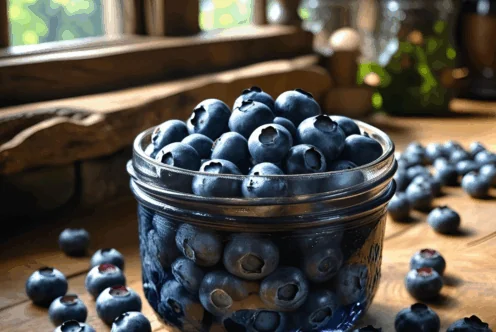
COTTAGE CHEESE & BLUEBERRY BREAKFAST BAKE
Read More


Warm Your Soul Lasagna Soup
Read More
Pear Lime Jello Salad
Read More