

Blog
Study: Vegetable Intake Linked to Lower Risk of Type 2 Diabetes
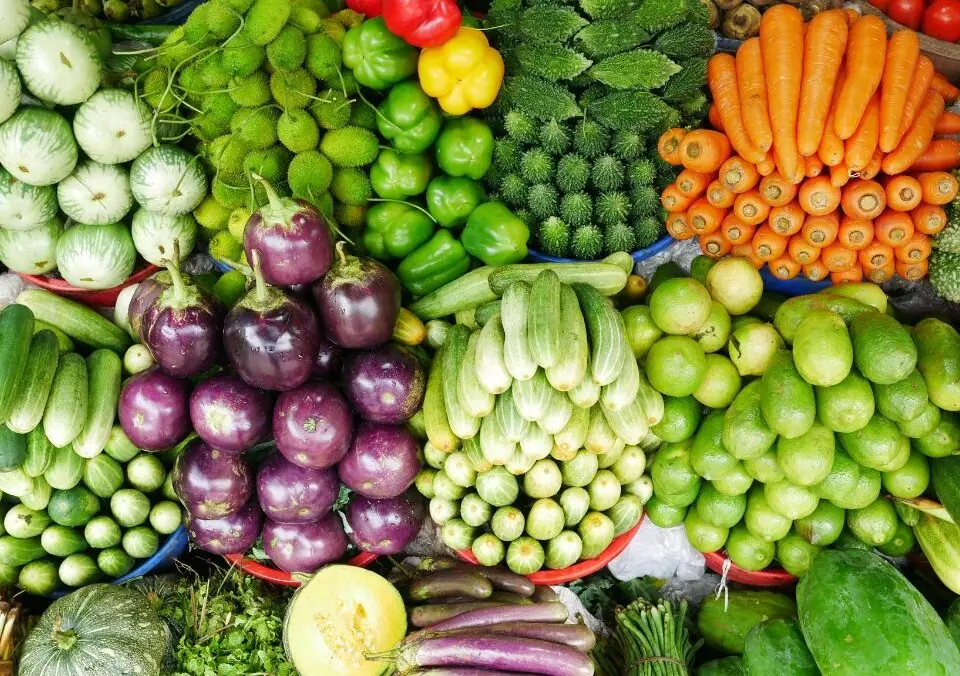
More likely than not, you are either related to or know someone who has type 2 diabetes. According to the National Institutes of Health, type 2 diabetes affects nearly 26 million people in the United States alone. This condition arises when the body becomes resistant to insulin or when it cannot produce enough insulin, leading to elevated blood sugar levels. While there are numerous strategies for managing or even preventing type 2 diabetes, a new study suggests a compelling link between vegetable intake and a reduced risk of developing this serious health condition.
Understanding Type 2 Diabetes
Before diving into the study’s findings, it is essential to understand the implications of type 2 diabetes. This condition is often associated with a range of complications that can impact one’s quality of life, including heart disease, kidney damage, nerve damage, and vision problems. The increasing prevalence of type 2 diabetes can be attributed to several factors, including poor dietary choices, sedentary lifestyles, and genetic predisposition.
Maintaining a healthy weight and lifestyle is pivotal in preventing type 2 diabetes. This is where diet plays a critical role, particularly the consumption of vegetables, which are known for their rich nutrient content.

The Connection Between Vegetable Intake and Type 2 Diabetes Risk
The recent study mentioned earlier highlights a fascinating finding: those who consume the most vegetables have a 21% lower risk of developing type 2 diabetes compared to those who consume the least. This significant statistic underscores the importance of incorporating more plant-based foods into our diets.
The Role of Body Mass Index (BMI)
The study further reveals that individuals who ate a higher quantity of vegetables also had a significantly lower body mass index (BMI) than those who did not. The Centers for Disease Control and Prevention (CDC) defines BMI as a measure that uses height and weight to determine whether a person has a healthy body weight. A lower BMI is associated with a reduced risk of developing chronic conditions, including type 2 diabetes.
By consuming vegetables, which are low in calories but high in fiber and nutrients, individuals may find it easier to maintain a healthy weight. Fiber plays a crucial role in the feeling of fullness, which can prevent overeating and contribute to weight management.
The Influence of Different Types of Vegetables
Interestingly, the study also indicates that not all vegetables are created equal in the context of diabetes risk. It appears that the types of vegetables consumed can significantly influence the results:
- Leafy Greens: Vegetables such as spinach, kale, and Swiss chard are examples of leafy greens that have been shown to be beneficial. They are rich in vitamins, minerals, and antioxidants, which may help reduce inflammation and improve insulin sensitivity.
- Cruciferous Vegetables: This category includes broccoli, cauliflower, Brussels sprouts, and cabbage. These vegetables are known for their high levels of glucosinolates, compounds that may provide protective benefits against cancer and support metabolic health.
- Potatoes: On the other end of the spectrum, the study notes that those who regularly consumed potatoes were 9% more likely to develop type 2 diabetes. This could be attributed to their high glycemic index, meaning they can cause significant spikes in blood sugar levels. Since managing blood sugar is crucial for diabetes prevention, it’s wise to limit high-GI foods, including processed forms of potatoes like fries and chips.
Emphasizing Variety and Balance
The findings from the study highlight the importance of not only increasing vegetable intake but also diversifying the types of vegetables consumed. A varied diet ensures that individuals receive a wide array of nutrients critical for overall health.
Research published in Nutrients indicates that diets rich in a variety of colors—from vibrant greens to reds, purples, and yellows—tend to be more beneficial. Different colored vegetables represent different phytonutrients, each offering unique health benefits.
Incorporating More Vegetables into Your Diet
To leverage the benefits of vegetable consumption and reduce the risk of type 2 diabetes, consider the following practical tips for incorporating more vegetables into your daily diet:
- Start Your Day with Vegetables: Add spinach or kale to your morning smoothie or omelet. This is an easy way to boost your vegetable intake right from the start of the day.
- Snack Smart: Replace processed snacks with crunchy vegetable options. Carrot sticks, cucumber slices, and bell pepper strips are not only low in calories but also high in essential nutrients.
- Make Vegetables the Star: Instead of making meat the centerpiece of your meal, try to focus on vegetables. Stir-fries, vegetable soups, and hearty salads can be both satisfying and nutritious.
- Experiment with Cooking Methods: Roasting can enhance the flavor of vegetables and make them more appealing. Try roasting Brussels sprouts with olive oil and seasoning for a delicious side dish.
- Join a Local CSA: Community Supported Agriculture programs allow you to receive a variety of fresh, seasonal vegetables from local farmers. This encourages trying new types of produce and eating what’s in season.
The Importance of Fresh and Locally Grown Vegetables
One of the most convenient aspects of increasing vegetable intake is that fresh, locally-grown produce is often available at grocery stores and farmer’s markets. For instance, Arizona agriculture produces a diverse range of vegetables, from leafy greens to root vegetables. For more information on what’s in season, you can check out the Fill Your Plate website, which connects consumers to local farms and can provide guidance on seasonal vegetables.
In addition, supporting local agriculture means you’re contributing to your community’s economy and reducing the carbon footprint associated with transporting food long distances. Eating local produce also often means consuming vegetables that are picked at their peak ripeness, ensuring better taste and nutrition.

Making Lifestyle Changes for Diabetes Prevention
While increasing vegetable intake is crucial, it’s essential to consider it part of a broader lifestyle approach to diabetes prevention. Regular physical activity, maintaining a healthy weight, managing stress levels, and getting adequate sleep are all interconnected factors that influence overall health and the risk of developing type 2 diabetes.
The American Diabetes Association recommends a routine that includes at least 150 minutes of moderate aerobic activity per week combined with strength training at least twice a week. Additionally, mindfulness practices, such as yoga or meditation, can help manage stress and improve emotional well-being.
Conclusion
The link between vegetable intake and a lower risk of type 2 diabetes highlights the significance of dietary choices in our overall health. Increasing the consumption of a variety of vegetables, particularly leafy greens and cruciferous options, can lead to better health outcomes and reduced risk of chronic diseases. By making conscious decisions to include more vegetables in our diets and supporting local farms, we can take meaningful steps toward preventive health.
Given the widespread nature of type 2 diabetes and its associated complications, now is an opportune time to reassess our eating habits and make the changes necessary to promote wellness. By prioritizing vegetable intake and making informed food choices, we can work towards a healthier future for ourselves and our communities.
By Heide Kennedy, Arizona Farm Bureau Communications Intern



Featured Recipes


COTTAGE CHEESE & BLUEBERRY BREAKFAST BAKE
Read More


Warm Your Soul Lasagna Soup
Read More
Pear Lime Jello Salad
Read More