

Blog
Take Your Ginger and Turmeric!
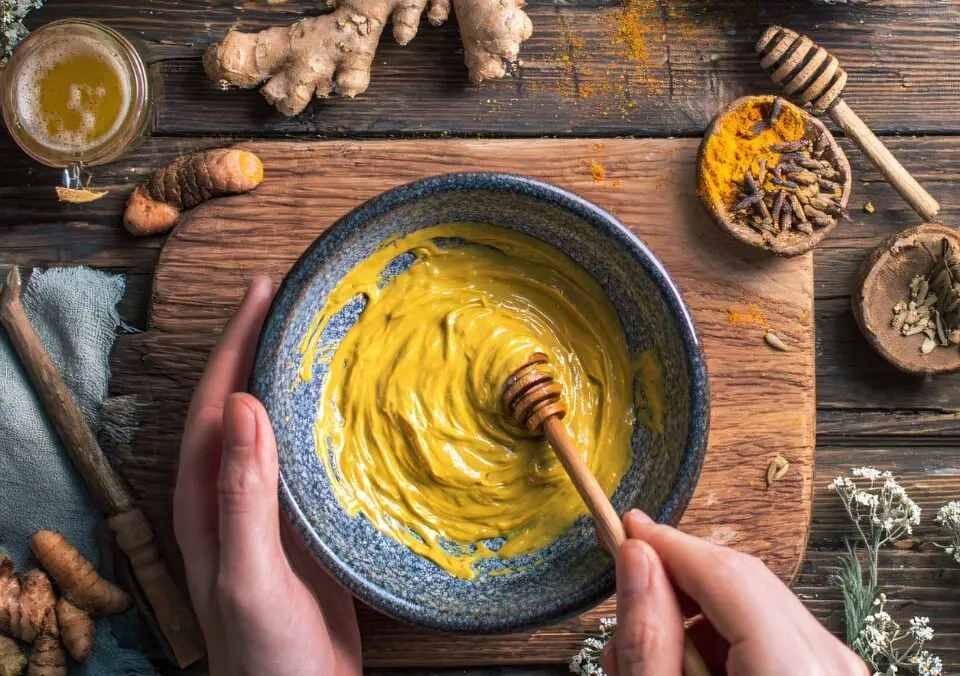
If you pay attention to health and wellness trends, you’ve likely noticed the increasing popularity of ginger and turmeric. These brightly colored spices have a long history in traditional medicine, and their benefits are now being validated by modern scientific research. You’ll find ginger and turmeric in everything from cold-pressed juices and herbal teas to supplements and superfood powders on grocery store shelves. But what exactly makes these spices so special, and how can you get the most out of them? Let’s take a deep dive into the world of ginger and turmeric, exploring their origins, nutritional value, health benefits, and practical uses—complete with links to scientific studies and expert recommendations.
A Brief History: Ancient Roots with Modern Appeal
Ginger (Zingiber officinale) and turmeric (Curcuma longa) are both rhizomes—underground stems—belonging to the Zingiberaceae family. Both have been staples in Ayurvedic and Traditional Chinese Medicine for thousands of years. Ginger is believed to have originated in Southeast Asia, where it was prized for its warming, digestive, and anti-nausea properties. Turmeric, native to India and Southeast Asia, is best known as the spice that gives curry its vibrant yellow hue, but it’s also been used for centuries as an anti-inflammatory and wound-healing agent.
Nutritional Profiles: What’s in Ginger and Turmeric?
Both ginger and turmeric are rich in bioactive compounds that contribute to their health-boosting effects.
- Ginger’s primary active component is gingerol, a substance with powerful anti-inflammatory and antioxidant properties. Ginger also contains shogaols and zingerone, compounds formed during drying or cooking.
- Turmeric’s most important active ingredient is curcumin, which gives turmeric its golden color and is responsible for most of its medicinal effects. Turmeric also contains turmerone, which may support brain health.
Both spices are also low in calories, contain trace vitamins and minerals (such as vitamin C, potassium, and magnesium), and, most importantly, are packed with antioxidants.
Antioxidant Powerhouses
Antioxidants are molecules that help neutralize free radicals—unstable compounds that can cause oxidative stress, damage cells, and contribute to chronic diseases. Studies show that both ginger and turmeric have high antioxidant capacities, which is one reason for their broad array of health benefits.
Key Health Benefits of Ginger and Turmeric
1. Reducing Inflammation
Chronic inflammation is at the root of many health conditions, including heart disease, diabetes, arthritis, and even cancer. Both ginger and turmeric have demonstrated potent anti-inflammatory effects in numerous studies.
- Turmeric/Curcumin: Research shows that curcumin can inhibit various molecules involved in inflammation, such as NF-kB and cytokines. In clinical trials, curcumin supplementation has been found to reduce symptoms in patients with inflammatory conditions like rheumatoid arthritis.
- Ginger: Gingerol, the main bioactive compound in ginger, also inhibits the production of pro-inflammatory markers. In one study, participants with osteoarthritis who consumed ginger extract experienced significant reductions in pain and inflammation.
2. Alleviating Pain
Both ginger and turmeric are natural pain relievers. Their anti-inflammatory actions are thought to underlie these effects.
- Ginger: Research suggests ginger is effective in reducing muscle pain after exercise, menstrual pain, and even migraine headaches.
- Turmeric: Curcumin has been shown to reduce pain associated with arthritis and other chronic conditions.
3. Supporting Immune Function
Ginger and turmeric both have immune-modulating properties, helping the body fend off infections and illnesses.
- Ginger: Studies indicate that ginger can enhance immune responses, possibly through its antioxidant and anti-inflammatory effects.
- Turmeric: Turmeric’s curcumin has been shown to modulate the activity of immune cells, making it a valuable addition to your diet during cold and flu season.
4. Easing Nausea and Improving Digestion
The anti-nausea effects of ginger are well-documented and widely recognized.
- Ginger: It’s particularly effective for reducing nausea related to pregnancy, motion sickness, and chemotherapy. Ginger also stimulates saliva, bile, and gastric enzyme production, which can aid digestion and relieve indigestion.
- Turmeric: While turmeric is less famous for easing nausea, it does support digestion by stimulating bile production and may be helpful for people with indigestion or bloating.
5. Potential Anti-Cancer Effects
Emerging research suggests that ginger and turmeric may have cancer-fighting properties.
- Curcumin has been studied extensively for its ability to inhibit the growth of cancer cells and tumors in laboratory settings. While more research is needed in humans, some early clinical trials are promising.
- Ginger has shown similar potential in laboratory studies, with gingerol and related compounds exhibiting anti-cancer activity.
6. Supporting Brain and Mental Health
Oxidative stress and inflammation are believed to contribute to cognitive decline and neurodegenerative diseases like Alzheimer’s. Both ginger and turmeric may protect brain health.
- Turmeric/Curcumin: Curcumin can cross the blood-brain barrier and has been shown to increase levels of brain-derived neurotrophic factor (BDNF), which supports neuron growth. Some studies suggest curcumin supplementation may improve memory and mood in older adults.
- Ginger: Limited evidence suggests ginger can enhance cognitive function and may help reduce age-related decline.
7. Cardiovascular Support
Both spices may promote heart health by lowering cholesterol, improving circulation, and reducing the risk of blood clots.
- Turmeric: Curcumin has been shown to improve endothelial function (the health of blood vessel linings) and may reduce the risk of heart disease.
- Ginger: Regular ginger consumption has been linked to lower blood pressure and cholesterol levels.
How to Incorporate Ginger and Turmeric into Your Diet
Adding these spices to your daily routine is easy and delicious! Here are some practical tips:
- Fresh Ginger and Turmeric: Peel and grate fresh roots into smoothies, juices, or salad dressings. Use them in stir-fries, curries, or soups for a flavor and nutrition boost.
- Dried and Ground: Sprinkle powdered ginger or turmeric into oatmeal, yogurt, or roasted vegetables. Add to baking recipes or blend into homemade spice mixes.
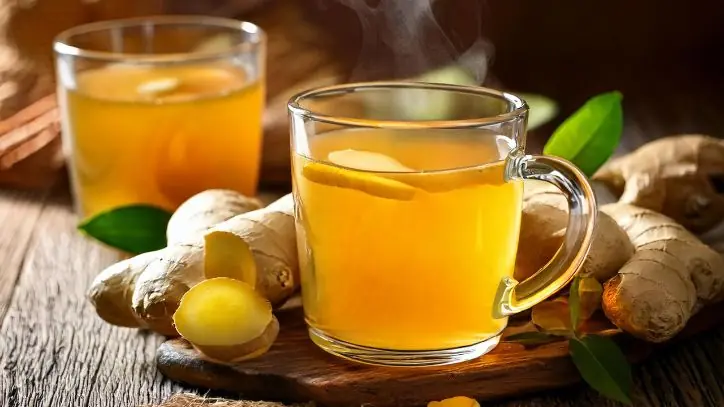
- Teas and Tonics: Simmer slices of fresh ginger and turmeric in hot water to make a warming tea. Add lemon and honey for extra flavor and immune support.
- Golden Milk: A popular way to enjoy turmeric is in a soothing beverage called golden milk, made with milk (dairy or plant-based), turmeric, black pepper, and sometimes ginger and cinnamon.
- Supplements: Ginger and turmeric extracts are available as capsules or powders. When choosing supplements, look for those standardized for active ingredients (gingerol or curcumin) and check for third-party testing for quality.
| Health Benefit | Ginger | Turmeric |
|---|---|---|
| Reducing Inflammation | Contains gingerol, which inhibits pro-inflammatory markers. Studies show ginger extract reduces pain & inflammation in osteoarthritis patients. | Turmeric blocks inflammatory pathways including NF-kB and cytokines. Clinical trials show improvement in rheumatoid arthritis symptoms. |
| Alleviating Pain | Effective for muscle pain after exercise, menstrual pain, and migraine relief. | Turmeric reduces pain associated with arthritis and chronic inflammatory conditions. |
| Supporting Immune Function | Enhances immune response through antioxidant and anti-inflammatory actions. | Modulates immune cell activity; helpful during cold and flu season. |
| Easing Nausea & Improving Digestion | Highly effective for nausea related to pregnancy, motion sickness, and chemotherapy. Stimulates saliva, bile, and digestive enzymes to improve digestion. | Supports digestion by stimulating bile production; may help with indigestion and bloating. |
| Potential Anti-Cancer Effects | Gingerol and related compounds demonstrate anti-cancer activity in lab studies. | Turmeric inhibits cancer cell growth and tumor formation in lab research. Early human trials show promising results. |
| Supporting Brain & Mental Health | May enhance cognitive function and reduce age-related cognitive decline. | Turmeric can cross the blood-brain barrier and increase BDNF levels. Some studies show improved memory and mood in older adults. |
| Cardiovascular Support | Linked to lower blood pressure and cholesterol; supports circulation. | Improves endothelial function and may reduce the risk of heart disease. |
Pro Tip: Combine with Black Pepper
Curcumin, the main active compound in turmeric, is not easily absorbed by the body. However, combining it with black pepper (which contains piperine) can increase absorption by up to 2,000%.
Safety and Considerations
For most people, consuming ginger and turmeric in food is safe and well-tolerated. However, there are some points to keep in mind:
- Supplements: High doses of ginger or turmeric supplements may cause digestive upset or interact with blood thinners and other medications. If you have a bleeding disorder or are on medications, consult your healthcare provider before starting supplements.
- Pregnancy: Ginger is often used to relieve morning sickness, but consult with your healthcare provider about safe dosages.
- Gallbladder Issues: Turmeric can stimulate bile flow, so those with gallstones or bile duct obstruction should exercise caution.
- Allergies: Rarely, some individuals may be allergic to ginger or turmeric.
What Does the Science Say? A Balanced Perspective
While the evidence supporting ginger and turmeric’s benefits is compelling, it’s important to note that most research has used concentrated extracts or supplements, often at higher doses than you’d typically find in food. Still, incorporating these spices as part of a balanced diet is a safe and enjoyable way to support your health.
Conclusion
Ginger and turmeric are more than just trendy superfoods—they’re time-tested remedies with a growing body of scientific support. From reducing inflammation and easing pain to supporting digestion and immune function, these spices offer a wide range of health benefits with few risks for most people. Whether you enjoy them in teas, curries, or supplements, making ginger and turmeric a regular part of your diet is a delicious way to invest in your long-term well-being.
For more health-related articles, check out the Fill Your Plate blog.
By Heide Kennedy, Arizona Farm Bureau Communications Intern



Featured Recipes


COTTAGE CHEESE & BLUEBERRY BREAKFAST BAKE
Read More


Warm Your Soul Lasagna Soup
Read More
Pear Lime Jello Salad
Read More