
Blog
Tips For Avoiding Foodborne Illness

There is nothing worse than enjoying a delightful meal and then feeling awful just a few hours later. Foodborne illnesses can range from mild stomachaches to severe food poisoning symptoms, including vomiting and diarrhea. Unfortunately, foodborne illnesses affect millions of people every year, leading to hospitalizations and even fatalities. However, many foodborne illnesses can be prevented with proper food preparation, storage, and hygiene practices. Here are some comprehensive tips to help you ensure your foods are well-prepared and to minimize the risk of food poisoning.
Understanding Foodborne Illness
Before diving into the tips for avoiding foodborne illness, it is essential to understand what foodborne illnesses are caused by. They typically occur when we consume contaminated foods or beverages. The Centers for Disease Control and Prevention (CDC) reports that these illnesses can be caused by bacteria, viruses, or parasites that contaminate food. Common pathogens include:
- Salmonella: Often found in raw or undercooked poultry, eggs, and unpasteurized milk.
- E. Coli: Typically associated with undercooked ground beef and contaminated produce.
- Listeria: Can be found in deli meats, hot dogs, as well as unpasteurized dairy products.
- Norovirus: The leading cause of foodborne illness outbreaks, often linked to contaminated food and water.
Recognizing these factors is the first step in taking preventive measures.
1. Use a Food Thermometer
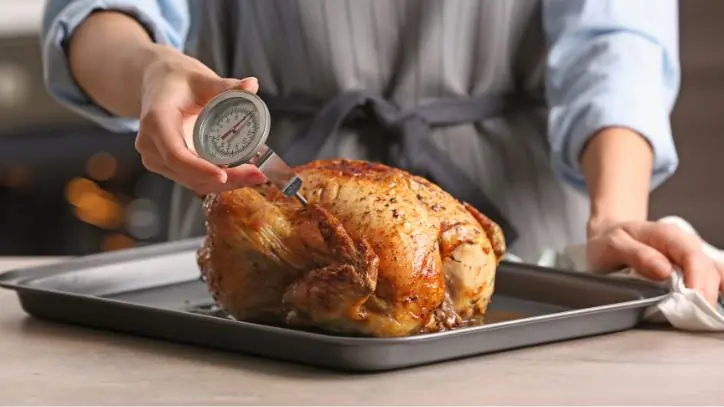
One of the most effective ways to ensure that your foods are cooked safely is by using a food thermometer. According to registered dietitian Mary Cherne Schoenfelder, it’s crucial to check the internal temperature of meats, especially poultry. Here are some recommended safe cooking temperatures:
- Poultry (chicken, turkey): at least 165°F (74°C)
- Ground meats (beef, pork, lamb): a minimum of 160°F (71°C)
- Steaks, roasts, and chops (beef, pork, lamb, bison): at least 145°F (63°C) and rested for at least 3 minutes
- Fish and shellfish: at least 145°F (63°C)
Using a food thermometer can help you avoid undercooking, ensuring that harmful bacteria are killed off. Always insert the thermometer in the thickest part of the meat, away from bones, to get an accurate reading.
2. Store Foods Properly
Proper storage is essential for keeping food safe. Foods should always be stored out of the danger zone—the temperature range between 40°F (4°C) and 140°F (60°C), where bacteria thrive. Here’s how to ensure proper food storage:
- Refrigerate promptly: Refrigerate perishable items within two hours of cooking. If the temperature is above 90°F (32°C), refrigerate within one hour.
- Seal containers: Use airtight containers or tightly wrap food to prevent contamination and moisture loss.
- Monitor refrigerator temperature: Ensure your refrigerator stays below 40°F (4°C) using a refrigerator thermometer.
- Keep raw and cooked foods separate: Use separate cutting boards and containers to avoid cross-contaminating cooked foods with raw meats or vegetables.
For more on food storage guidelines, check out the USDA Food Safety and Inspection Service.
3. Don’t Eat Raw Foods
While it might be tempting to sample raw cookie dough or lick the mixing bowl, eating raw foods can expose you to harmful bacteria. Raw eggs (often found in homemade sauces and desserts) can contain Salmonella, and flour has been linked to E. Coli contamination. Always thoroughly cook ingredients to kill off any potential pathogens.
4. Wash Your Hands
Hand hygiene is one of the simplest but most effective ways to prevent foodborne illnesses. Since your hands come into direct contact with food, it is essential to keep them clean. Follow these steps to maintain good hygiene:
- Wash for at least 20 seconds with soap and warm water before and after handling food.
- Use a clean towel or paper towel to dry your hands, or allow them to air dry.
- Avoid touching your face while preparing food.
By keeping your hands clean, you significantly reduce the risk of transmitting germs to your food.
5. Keep Your Kitchen Clean
A clean kitchen is vital for food safety. Here are some cleaning practices you should adopt:
- Clean surfaces regularly: Sanitize countertops, cutting boards, and utensils after each use, especially when switching between raw meats and ready-to-eat foods. Use hot, soapy water followed by a sanitizing solution.
- Use separate cutting boards: Consider designating specific boards for raw meats and another for fruits, vegetables, and ready-to-eat items to prevent cross-contamination.
- Clean spills immediately: Address any spills of raw food or meat juices as soon as they occur to prevent bacteria from spreading.
6. Be Mindful of Expiration Dates
Always check expiration dates on perishable items. Consuming expired foods can lead to foodborne illnesses. Additionally, be cautious with “sell by” and “use by” dates. Understand these terms:
- Sell by: Indicates when the store should sell the product to ensure quality.
- Use by: The last date recommended for the use of the product while at peak quality.
Consume or freeze foods by their expiration dates to minimize waste and reduce the risk of illness. For more detailed guidelines, refer to the FDA guidelines on food product dating.
7. Be Cautious with Leftovers
Leftovers can be a great way to enjoy meals again, but they must be handled carefully. Follow these best practices:
- Store promptly: Refrigerate leftovers within two hours of cooking.
- Cool quickly: Divide large portions into smaller containers to help them cool quickly in the refrigerator.
- Reheat safely: When reheating, ensure that all leftovers reach 165°F (74°C) before consuming.
For more information on safely storing and reheating leftovers, check out the USDA’s leftover food safety tips.
8. Be Alert During Food Preparation
Paying attention during food preparation is essential. Here are a few additional precautions to take:
- Thaw foods safely: Always thaw foods in the refrigerator, microwave, or cold water—never leave them out at room temperature, as this allows bacteria to proliferate. For detailed thawing methods, see the USDA food safety guide.
- Avoid touching your face: While cooking, try to minimize touching your face to prevent transferring oils and germs to your food.
9. Educate Yourself and Others
Educating yourself and those around you about food safety can significantly contribute to preventing foodborne illnesses. Participate in food safety training sessions or courses to stay informed. Many municipalities and community centers offer workshops that you can attend.
Additionally, familiarize yourself with local health department resources. The Food Safety Education site provides numerous resources and information to help you improve your food safety practices.

10. Advocacy and Responsibility
Foodborne illness prevention goes beyond just individual practices; it involves community and advocacy efforts. Supporting measures for improved food safety regulations, asking about food safety practices at restaurants, and raising awareness amongst friends and family can collectively lower the incidence of foodborne illnesses.
Moreover, consider supporting local farms and businesses that prioritize food safety and cleanliness in their operations. Engaging in discussions about safe food from farm to table can create a more informed and health-conscious community.
Conclusion
Keeping yourself and others healthy when it comes to foodborne illnesses is achievable by adopting proper precautions. Following these comprehensive tips for safe food handling can significantly reduce the risk of foodborne illness, allowing everyone to enjoy meals with peace of mind. Remember, small steps in your kitchen can lead to major health benefits for you and your loved ones.
For more health-related articles and resources, check out the Fill Your Plate blog!
By practicing these strategies and staying informed, you can play an essential role in promoting food safety in your kitchen and community. Remember, safety starts with you!
By Heide Kennedy, Arizona Farm Bureau Communications Intern


Featured Recipes
COTTAGE CHEESE & BLUEBERRY BREAKFAST BAKE
Read More
Warm Your Soul Lasagna Soup
Read More
Pear Lime Jello Salad
Read More