
Blog
What Nutrition Does an Avocado Have? A Complete Guide to Avocado’s Nutritional Value
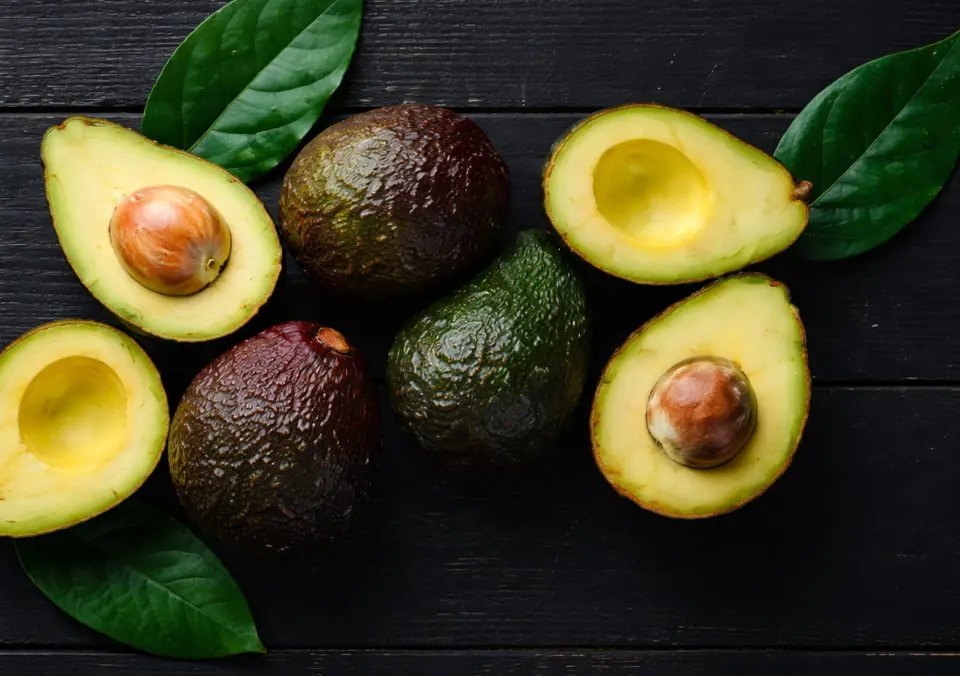
When I first started paying attention to nutrition for my fitness goals, I focused mostly on protein and carbs. Protein for muscle. Carbs for energy. Simple, right? But the more I learned, the more I realized I was overlooking another important part of nutrition: healthy fats. That’s where avocado started showing up more often on my plate. I knew it was considered healthy, but I wanted to know why. What was I actually getting from it? Turns out, avocado offers much more than healthy fats. It also provides fiber, potassium, folate, and several vitamins and minerals. Plus, it’s incredibly easy to add to the meals I already eat, from eggs in the morning to chicken and rice bowls after training.
So, what nutrition does avocado have, and what can those nutrients do for your health?
Before getting into nutrition, it helps to understand what an avocado actually is and why its nutritional profile differs from that of most fruits.
What Is Actually in an Avocado?
An avocado is technically a fruit, but nutritionally, it’s quite different from fruits like bananas, oranges, or berries. Instead of getting most of its calories from carbohydrates, avocado gets a large percentage of its calories from fat, particularly monounsaturated fat.
But that’s only part of the picture. Avocados also provide dietary fiber, potassium, folate, vitamin K, vitamin E, vitamin C, and several B vitamins. They contain relatively little sugar and provide small amounts of protein.
According to USDA FoodData Central, 100 grams of raw avocado contains roughly 160 calories, 14.7 grams of fat, 8.5 grams of carbohydrates, 6.7 grams of fiber, and 2 grams of protein. Exact values can vary by variety and serving size. https://fdc.nal.usda.gov/
So while avocado is calorie-dense compared with many fruits, those calories come packaged with a variety of nutrients. The rest of the article will break down exactly what those nutrients do and where avocado can fit into a balanced diet.
Healthy Fats: What Avocado Is Known For
If there’s one nutrient most people associate with avocado, it’s fat.
Fat sometimes gets treated as something we should automatically minimize, especially when the goal is losing weight. I used to think about nutrition in a similar way. But dietary fat is an essential part of a balanced diet. The type of fat matters. Much of the fat in avocado is monounsaturated fat, particularly oleic acid. Replacing foods high in saturated fat with foods containing unsaturated fats can support cardiovascular health.
The American Heart Association recommends replacing saturated and trans fats with monounsaturated and polyunsaturated fats as part of a heart-healthy dietary pattern.
Dietary fat also helps the body absorb fat-soluble vitamins, including vitamins A, D, E, and K.
That doesn’t mean unlimited avocado automatically makes a diet healthier. Avocado is energy-dense, so portions still matter, especially when you’re managing your calorie intake.
But there’s an important difference between recognizing that a food contains calories and assuming those calories make the food unhealthy.
Fiber: One of Avocado’s Biggest Benefits
Healthy fats may get most of the attention, but avocado is also a surprisingly good source of fiber.
Fiber is a type of carbohydrate that the body doesn’t fully digest. Instead of being broken down and absorbed like many other carbohydrates, fiber moves through the digestive system and performs several important functions along the way.
Adequate fiber intake supports normal bowel function, can help you feel fuller after meals, and is associated with cardiovascular and metabolic health.
According to the Harvard T.H. Chan School of Public Health, diets rich in fiber are associated with a lower risk of several chronic conditions, including heart disease and type 2 diabetes.
This is one reason avocado can make a meal feel satisfying. Think about avocado toast, for example. Pair whole-grain toast with avocado and eggs, and you’re getting carbohydrates, fiber, fat, and protein in the same meal. Instead of looking at avocado in isolation, I find it more useful to think about what it contributes to the entire plate.
Does Avocado Have Carbohydrates?
Yes, avocado contains carbohydrates, but there’s an interesting detail.
A substantial portion of those carbohydrates comes from fiber.
About 100 grams of avocado contains roughly 8.5 grams of total carbohydrates, with around 6.7 grams coming from fiber, according to USDA data.
That makes avocado quite different from carbohydrate-rich fruits such as bananas or grapes.
It also means avocado shouldn’t be viewed as a substitute for foods like rice, oats, potatoes, or fruit when you need a substantial source of carbohydrates for physical activity.
Those foods and avocado serve different nutritional purposes.
Rice might provide the carbohydrate foundation of one of my meals, while avocado adds unsaturated fat, fiber, and micronutrients. Add a quality protein source and vegetables, and suddenly you’ve built a much more complete plate.
Does Avocado Have Protein?
Avocado contains protein, but not much.
A 100-gram serving provides roughly 2 grams of protein. That’s a nice addition to your daily intake, but avocado shouldn’t be considered a primary protein source. If muscle growth, recovery, or maintaining lean mass is a goal, avocado works better alongside protein-rich foods such as eggs, chicken, fish, Greek yogurt, beans, or tofu.For example, instead of thinking of avocado toast as a complete high-protein meal, adding eggs can significantly improve its protein content. That’s something I’ve learned to focus on with nutrition in general. Rather than expecting every food to provide everything my body needs, I build meals from foods that complement each other.
Potassium: It’s Not Just in Bananas
Mention potassium and most people immediately think of bananas.
Avocado deserves a place in that conversation too.
Potassium is an essential mineral and electrolyte involved in nerve transmission, muscle contraction, and fluid balance. It also plays an important role in cardiovascular health.
The National Institutes of Health Office of Dietary Supplements explains that potassium is necessary for normal cellular function and is involved in processes including nerve transmission and muscle contraction.
This can be particularly relevant for active people, although avocado shouldn’t be viewed as an electrolyte replacement for significant sweat losses during demanding exercise or hot-weather training. Instead, think of potassium-rich foods as one part of an overall nutrient-rich diet.
Folate and B Vitamins
Avocado also provides folate and several B vitamins. Folate, also known as vitamin B9, is necessary for DNA synthesis and cell division. It has an especially important role before and during pregnancy because adequate folate intake helps reduce the risk of certain neural tube defects. Other B vitamins found in avocado contribute to normal energy metabolism and other physiological processes.
This doesn’t mean eating avocado suddenly gives you more energy in the way eating carbohydrates before exercise might. Vitamins don’t provide calories themselves.
Instead, they help your body carry out processes required to use the energy and nutrients you consume.
That’s an important distinction because nutrition isn’t only about calories. Your body also needs micronutrients to keep the systems behind energy production, tissue maintenance, and normal function working properly.
Vitamin E and Vitamin K
Avocados provide vitamins E and K, two fat-soluble vitamins with very different jobs.
Vitamin E functions as an antioxidant and helps protect cells against oxidative damage. Vitamin K is important for normal blood clotting and contributes to bone health. Avocado has an interesting advantage here. Because it contains dietary fat, eating avocado alongside vegetables may also help your body absorb certain fat-soluble compounds from the rest of the meal.
A salad containing leafy greens, colorful vegetables, chicken, and avocado isn’t nutritious because of one “superfood.” It’s nutritious because you’re combining foods that provide different nutrients. That’s the approach I prefer to take with food. Build the entire meal rather than obsessing over one ingredient.
Avocado and Heart Health
One of the most researched areas surrounding avocado is cardiovascular health. Part of that interest comes from its combination of monounsaturated fats, fiber, potassium, and other nutrients.
A randomized controlled feeding trial published in the Journal of the American Heart Association examined the effects of eating one avocado per day for six months. Daily avocado consumption didn’t reduce visceral abdominal fat compared with the habitual diet group, but it was associated with modest improvements in some lipid measures and didn’t cause weight gain.
That’s a useful reminder of how nutrition research should be interpreted. Avocado isn’t a magical food that prevents heart disease or melts body fat. Instead, it can contribute valuable nutrients to an overall eating pattern that supports health. The bigger question isn’t, “Will avocado make me healthy? “It’s, “What does the rest of my diet look like, and where does avocado fit?”
Avocado and Digestive Health
Remember all that fiber we talked about earlier? It matters for digestive health too.
Fiber helps support normal bowel movements, while certain types of fiber can serve as substrates for beneficial gut microorganisms. Researchers have also investigated avocado specifically. A randomized controlled trial published in the Journal of Nutrition found that daily avocado consumption affected gastrointestinal bacteria and microbial metabolites in adults with overweight or obesity.
That doesn’t mean you need avocado for a healthy gut. Plenty of other foods provide fiber, including vegetables, fruits, legumes, and whole grains. Avocado offers another way to add variety and fiber to your meals.
Can Avocado Help With Weight Management?
Here’s where avocado gets interesting. It’s high in fat, which contains 9 calories per gram compared with 4 calories per gram for protein and carbohydrates. That makes avocado relatively calorie-dense. So does that mean you should avoid it when trying to lose weight?
Not necessarily. Weight management depends largely on overall energy intake and expenditure over time. A food being calorie-dense doesn’t automatically make it bad for weight loss. Avocado’s fat and fiber may help make meals more satisfying, which can be useful when building an eating pattern, you can actually maintain. Portion size still matters. Adding half an avocado to a meal might work perfectly within your goals. Adding multiple avocados on top of an already calorie-dense meal could make it harder to meet your energy needs. Context matters more than labels.
Avocado for Fitness and Active Lifestyles
Avocado isn’t the first food I’d choose for immediate workout fuel. That’s an important distinction from something like rice or a banana. Before a demanding workout, carbohydrates are generally the priority because they provide readily available fuel for exercise. Large amounts of fat can also slow digestion, which may not feel great immediately before training. Avocado works particularly well as part of meals around your training rather than as a pre-workout fuel itself.
For example, a post-workout meal might contain:
Grilled chicken + rice + vegetables + avocado
Each component serves a purpose. Rice provides carbohydrates to help replenish energy stores. Chicken provides protein for muscle repair. Vegetables contribute fiber and micronutrients. Avocado adds unsaturated fats, fiber, potassium, and additional vitamins and minerals. That’s what balanced nutrition looks like in practice. You don’t need every nutrient packed into a supplement or some complicated “fitness meal.” Sometimes chicken, rice, vegetables, and avocado get the job done.
Whole Avocado vs. Avocado Oil
Avocado oil has become increasingly popular, but avocado and avocado oil aren’t nutritionally identical.
Whole avocado provides:
- Unsaturated fats
- Fiber
- Potassium
- Folate
- Vitamins
- Minerals
Avocado oil is primarily fat. That doesn’t make avocado oil unhealthy. It simply means you’re getting something different. Avocado oil can be useful for cooking or making dressings, while whole avocado provides the additional fiber and micronutrients naturally found in the fruit. I wouldn’t consider one “better” than the other. They serve different purposes.
Common Myths About Avocado
Avocado’s reputation as a health food has created misconceptions in both directions. Some people avoid it because of its fat content, while others treat it as something they can eat without considering portion sizes.
Myth: Avocado Is Fattening Because It’s High in Fat
Eating fat doesn’t automatically make you gain body fat.
Your overall calorie balance matters. Avocado is calorie-dense, but it can still fit comfortably into weight-loss, maintenance, or muscle-building diets.
Myth: You Can Eat Unlimited Avocado Because It’s Healthy
Nutrient-dense foods still contain calories. A healthy diet isn’t about eating unlimited amounts of foods labeled “healthy.” It’s about meeting your nutritional needs while consuming portions appropriate for your goals.
Myth: Avocado Is Only Useful for Weight Loss
Avocado doesn’t belong to any one diet.
It can work for someone trying to lose weight, maintain their weight, gain muscle, or simply improve the nutritional quality of their meals.
How I Build Balanced Meals With Avocado
One reason avocado has stayed in my diet is convenience. I don’t need a complicated recipe to use it.
For breakfast, I might combine whole-grain toast, avocado, and eggs. The toast provides carbohydrates and fiber, the eggs provide protein and fat, and avocado adds additional fiber, unsaturated fat, and micronutrients. For lunch, I’ll use rice as my carbohydrate source, chicken as my protein, vegetables for fiber and micronutrients, and avocado for healthy fat.
Another easy option is a bowl with lean beef, rice, black beans, salsa, vegetables, and avocado. The goal isn’t to force avocado into every meal. It’s to use it where it makes sense.
That’s also what sustainable nutrition looks like to me. Foods should support your goals without making eating feel unnecessarily complicated.
How Much Avocado Should You Eat?
There’s no universal amount of avocado everyone needs to eat.
Your ideal portion depends on your total calorie needs, goals, activity level, preferences, and what else you’re eating. A common serving is around one-third of a medium avocado, though eating half an avocado can easily fit into many people’s diets. Instead of obsessing over an exact serving, focus on your overall meal. Already have cheese, nuts, oil, and another high-fat food on your plate? You might choose a smaller portion of avocado. Building a meal that’s otherwise low in fat? A larger portion may fit comfortably. Nutrition becomes much easier when you think about balance rather than rigid rules.
What is the main nutrient in avocado?
Avocado is best known for its fat content, particularly monounsaturated fat. It also provides fiber, potassium, folate, vitamin E, vitamin K, and several other micronutrients.
Is avocado high in carbohydrates?
Avocado contains carbohydrates, but much of its carbohydrate content comes from dietary fiber. It’s considerably lower in digestible carbohydrates than many other fruits.
Does avocado have protein?
Yes, but only a small amount. About 100 grams of avocado contains roughly 2 grams of protein, so it shouldn’t replace foods such as eggs, chicken, fish, dairy, beans, or tofu as a primary protein source.
Is avocado good for your heart?
Avocado provides unsaturated fats, fiber, and potassium, nutrients that can contribute to a heart-healthy eating pattern. The overall quality of your diet remains more important than any single food.
Is avocado good for weight loss?
It can be. Avocado’s fat and fiber can make meals satisfying, but it’s also calorie-dense. Portion size and overall calorie intake still matter when weight loss is the goal.
Can I eat avocado every day?
For most healthy adults, avocado can be included regularly as part of a varied, balanced diet. There’s no requirement to eat it daily, though, and other foods can provide similar nutrients.
Is avocado better than avocado oil?
They serve different purposes. Whole avocado provides fiber and micronutrients in addition to fat, while avocado oil is primarily a source of fat. Both can fit into a balanced diet.
Final Thoughts: Avocado Is More Than Healthy Fat
When I started taking my fitness goals seriously, I spent a lot of time thinking about protein and carbohydrates. Over time, I learned that good nutrition isn’t built around one nutrient or one “perfect” food. It’s about balance. Avocado is a great example. Yes, it’s a source of healthy unsaturated fat, but it also provides fiber, potassium, folate, vitamins, and other nutrients that contribute to normal body function and overall health. That doesn’t mean avocado needs to be on every plate. It doesn’t make a meal automatically healthy, and eating more of it isn’t always better. What matters is how it fits into the bigger picture.
Pair avocado with quality protein, carbohydrates, vegetables, fruits, whole grains, and other nutrient-dense foods, and it can become one useful part of an eating pattern that supports your health, fitness, and long-term goals. For me, that’s what sustainable nutrition is about. Not fearing foods. Not chasing superfoods. Just understanding what I’m eating, why I’m eating it, and how it helps me build a diet I can maintain. Knowing what’s in your food is a great starting point, but putting all the pieces together can be harder. If you’re tired of guessing what foods to eat, how much you need, or how to structure meals around your fitness goals, personalized coaching can help turn nutrition information into a plan that works with your training, schedule, and lifestyle. You don’t need a perfect diet. You need a strategy you can consistently follow.
By Joel Carr Arizona Farm Bureau Strategic Communications Manager



Featured Recipes


COTTAGE CHEESE & BLUEBERRY BREAKFAST BAKE
Read More


Warm Your Soul Lasagna Soup
Read More

Pear Lime Jello Salad
Read More