
Blog
Protein Is in Everything Now: Do We Really Need More of It?
When I first started taking fitness and nutrition seriously, protein was one of the first things I learned to pay attention to. I knew it played an important role in building and repairing muscle, so I made sure I got enough from foods like chicken, eggs, Greek yogurt, and protein shakes. But lately, I’ve noticed something interesting.
Protein is in practically everything now.
Walk through a grocery store and you’ll find protein cereal, protein pancakes, protein coffee, protein chips, protein ice cream, and even protein water. Foods that never used to advertise their protein content suddenly have big numbers printed across the front of their packaging. And I’ll admit, some of these products are convenient. But it got me thinking.
Are we becoming healthier because companies are adding protein to everything? Or has food companies realized that putting the word “protein” on a package makes people more likely to buy it? Don’t get me wrong. Protein is essential, especially if you’re active or working toward fitness goals. But there’s a difference between getting enough protein and feeling like every snack, drink, or dessert needs an extra 20 grams.
So, how much protein do we really need, why is it suddenly everywhere, and are these high-protein products worth the extra money?
Why Is Protein Suddenly Everywhere?
Protein has always been an important nutrient. What’s changed is how it’s being marketed. For years, protein products were mostly associated with athletes, bodybuilders, and people who spent a lot of time in the gym. You’d find protein powder in supplement stores, protein shakes in gym refrigerators, and protein bars marketed toward people trying to build muscle. Today, protein has moved well beyond fitness culture. It’s become a selling point for everyday foods. You don’t need to be a bodybuilder to find protein coffee at the grocery store or high-protein pancakes in the freezer aisle. Food manufacturers have recognized that many consumers associate protein with health, fitness, fullness, and muscle maintenance. When something becomes associated with health, it’s only natural that companies want to highlight it.
The Rise of High-Protein Everything
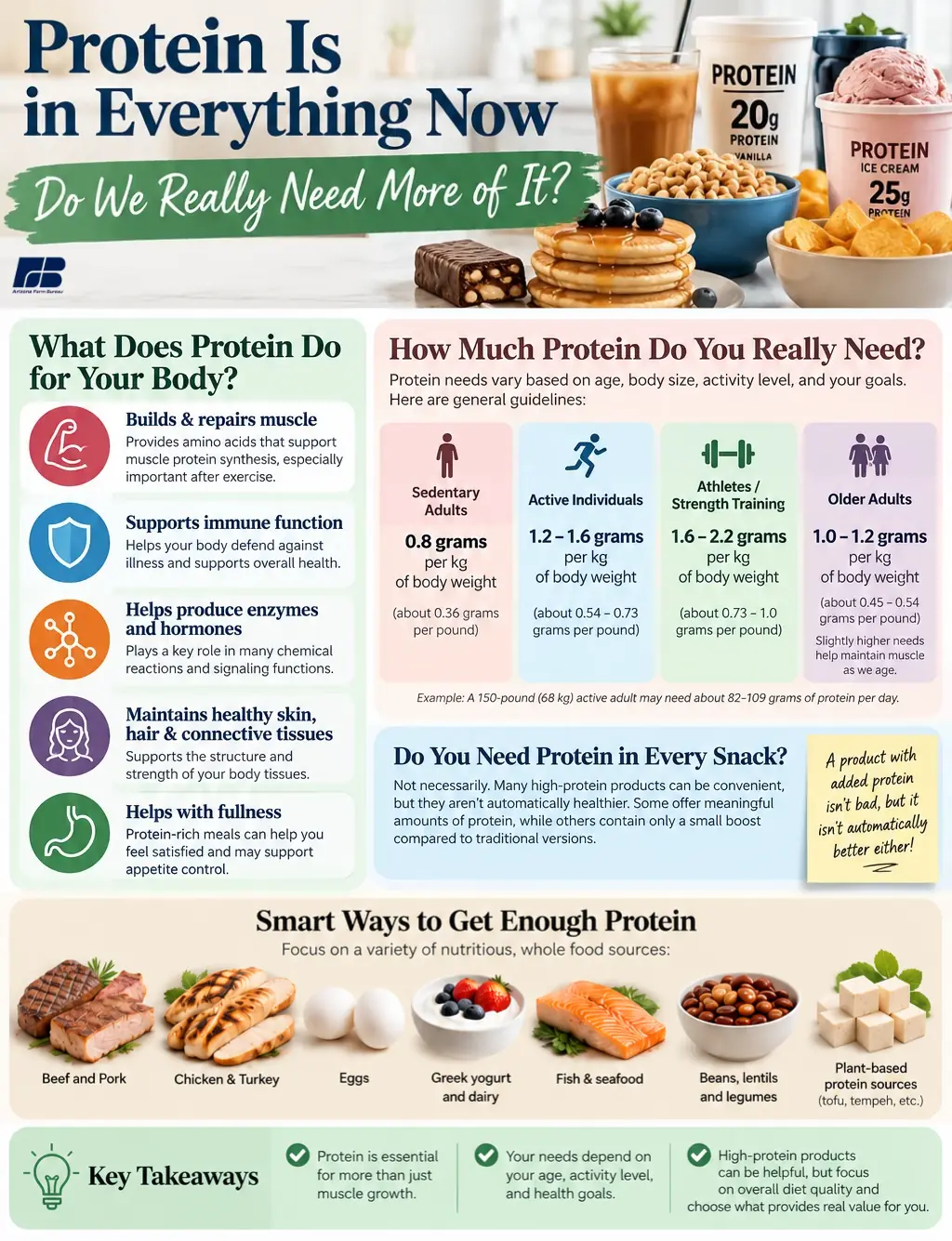
Think about how many products now advertise their protein content.Protein cereal. Protein coffee. Protein chips. Protein pancakes. Protein ice cream. Protein water. Some of these products genuinely make it easier to increase protein intake. Others offer only modest amounts of protein compared with their traditional versions. That’s where I think consumers need to be careful. A product containing added protein isn’t necessarily bad, but it isn’t automatically better either. The important question is whether that extra protein provides a meaningful benefit for your diet.
What Does Protein Actually Do for Your Body?
Before deciding whether to add protein to everything, it’s worth understanding why protein matters in the first place. Protein is one of the three main macronutrients, alongside carbohydrates and fats. It’s made of amino acids, which your body uses to build and maintain tissues and perform essential functions. Although protein gets most of the attention for muscle growth, it does much more than support the gym.
Protein Helps Build and Repair Muscle
This is probably the benefit most people already know. When you exercise, especially during resistance training, your muscles experience stress that stimulates adaptation. Protein provides the amino acids needed to support muscle protein synthesis, the process that builds and repairs muscle proteins. A systematic review and meta-analysis published in the British Journal of Sports Medicine found that protein supplementation can improve gains in muscle strength and fat-free mass during resistance training, particularly when it helps people achieve adequate total protein intake. Morton et al., Protein Supplementation and Resistance Training. That research supports the importance of protein for active individuals. But it doesn’t mean everyone needs to consume protein constantly throughout the day.
Protein Supports More Than Muscle
Protein also helps produce enzymes that drive chemical reactions, creates hormones and signaling molecules, supports immune function, maintains skin, hair, and connective tissues, transports substances throughout the body, and builds and repairs various body tissues. In other words, protein isn’t just a fitness nutrient. It’s an essential part of everyday health.
Protein Can Help With Fullness
Another reason protein has become so popular is its potential role in appetite regulation. Protein-rich meals can help people feel satisfied, although the effect depends on the meal, individual, and overall diet. Research has explored how higher-protein eating patterns influence appetite, satiety, and weight management. For example, a review published in The American Journal of Clinical Nutrition examined evidence suggesting that higher-protein diets can improve some measures of appetite control and body-weight management. Still, that doesn’t mean eating protein automatically causes weight loss. Total calorie intake, physical activity, sleep, food quality, and consistency all matter. Protein is one piece of a much larger picture.
How Much Protein Do You Really Need?
This is where things get interesting. With so many products advertising 20, 25, or even 30 grams of protein, it’s easy to assume everyone needs enormous amounts. But protein requirements aren’t the same for everyone. Your needs depend on factors such as age, body size, activity level, health status, and fitness goals.
The General Recommendation
For generally healthy adults, the Recommended Dietary Allowance (RDA) for protein is about 0.8 grams per kilogram of body weight per day. The RDA is designed to meet the needs of nearly all healthy people in the general population. It’s not necessarily an optimal target for every athletic or body-composition goal. For example, a person weighing 150 pounds (about 68 kilograms) would have an RDA of about 54 grams of protein per day. Someone weighing 180 pounds (about 82 kilograms) would have an RDA of about 65 grams. These amounts may seem surprisingly low compared with what you see promoted in fitness culture. That’s partly because recommendations for active people are often higher.
Protein Needs for Active Individuals
The International Society of Sports Nutrition states that approximately 1.4 to 2.0 grams of protein per kilogram of body weight per day is sufficient for most exercising individuals looking to build or maintain muscle mass. International Society of Sports Nutrition Position Stand: Protein and Exercise That means someone weighing 180 pounds might aim for roughly 115 to 164 grams per day, depending on their goals and training demands. The key point is that these are general ranges, not requirements for every person.
More Isn’t Always Better
Here’s something that gets overlooked. Once you consistently meet your protein needs, adding more protein doesn’t guarantee more muscle growth. Muscle development also requires appropriate training, adequate energy intake, recovery, and time. You can’t simply eat your way to bigger muscles without providing the training stimulus. That’s why I prefer focusing on a realistic daily protein target instead of squeezing protein into every single food I eat.
Are Most People Already Getting Enough Protein?
One of the biggest questions surrounding the protein trend is whether the average person needs more. In the United States, many adults already consume enough protein to meet the general RDA.
However, that doesn’t mean everyone meets their individual needs. Older adults, some people with limited food access, people following restrictive diets, and individuals with higher exercise demands may benefit from paying closer attention to protein intake. Likewise, someone trying to gain muscle may have different protein goals from someone who is relatively sedentary. This is why blanket statements like “everyone needs more protein” aren’t particularly helpful.
A better approach is to look at your current intake and compare it with your actual needs. If you’re already getting adequate protein from regular meals, buying protein-fortified foods might not add much value. But if you struggle to get enough, those products can be convenient.
Protein Coffee, Chips, Cereal, and Ice Cream: Are They Worth It?
This is probably my favorite part of the conversation because it’s where nutrition and marketing collide. Not all protein-fortified foods serve the same purpose. Some are genuinely practical. Others seem designed mainly to capitalize on the popularity of protein.
Protein Coffee
Protein coffee typically combines coffee with a protein source, such as milk, a ready-to-drink protein shake, or protein powder. If you enjoy coffee and need a convenient way to increase protein intake, this can be a practical option. But remember that caffeine and protein serve different purposes. The protein doesn’t automatically make the coffee healthier, and caffeine content still matters.
Protein Chips
Protein chips are often marketed as alternatives to traditional potato or tortilla chips. Some provide considerably more protein than conventional chips, which may make them useful for certain people. But they can still contain significant amounts of sodium, fat, or calories. They’re still snack foods, just with a different nutritional profile.
Protein Cereal
Protein cereal can help people who enjoy cereal but want a more protein-rich breakfast. However, I’d also compare fiber, added sugar, serving size, and price. Sometimes a traditional high-fiber cereal paired with Greek yogurt or milk can provide a similar nutritional benefit.
Protein Ice Cream
Protein ice cream can be an enjoyable way to include more protein while having dessert. Some versions contain less sugar or fewer calories than conventional ice cream, but that varies considerably. I wouldn’t automatically call it healthier just because it contains protein. Sometimes dessert can simply be dessert.
Does Adding Protein Automatically Make a Food Healthier?
No.
And I think this is the most important takeaway from the entire article. A food doesn’t become nutritionally superior just because you add protein to it. Protein is only one part of the nutritional picture. A protein cookie might contain more protein than a regular cookie, but it could still be high in calories, saturated fat, or added sugars. A protein cereal might provide 15 grams of protein per serving, but it could contain relatively little fiber. A protein snack might sound impressive until you realize the serving size is unusually large. That’s why the Nutrition Facts label matters more than the marketing on the front. The FDA provides guidance on understanding calories, serving sizes, added sugars, saturated fat, sodium, and other nutrients.
The Protein Health Halo
There’s a concept in nutrition marketing sometimes called a health halo. It happens when one positive feature of a food shapes how we see the whole product. For example, a product says “high protein,” so we assume it’s healthy. A product says “organic,” so we assume it’s nutritious. A product says, “low fat,” so we assume it’s good for weight loss. But none of those claims tell us everything we need to know. That’s why I try to avoid letting one nutrient define a food’s overall quality. Protein matters, but so do fiber, vitamins, minerals, healthy fats, and the overall balance of our diets.
Whole-Food Protein vs. Protein-Fortified Foods
When I’m planning meals, I usually start with foods that naturally provide protein. That might include chicken or turkey, fish and seafood, eggs, Greek yogurt, cottage cheese, lean beef, tofu, tempeh, beans, lentils, milk, or fortified soy beverages. These foods provide protein along with other important nutrients. For example, salmon provides protein and omega-3 fatty acids. Greek yogurt can provide protein and calcium. Beans provide protein, fiber, and other nutrients. Eggs provide protein, choline, and additional micronutrients. That doesn’t mean protein powders or fortified foods are inferior in every situation. Sometimes convenience is the deciding factor. If I’m rushing from work to the gym, a ready-to-drink protein shake may be far more practical than preparing a full meal. The key is not to confuse convenience with necessity.
Don’t Overlook Beef and Pork: Quality Protein Without the Hype
With protein in everything from coffee to chips, it’s easy to overlook foods that naturally provide plenty of it. Beef and pork are two excellent examples. Both provide complete protein, containing all nine essential amino acids needed for muscle repair, recovery, and overall health. Beef also supplies iron, zinc, and vitamin B12, while pork is particularly rich in thiamin (vitamin B1), which helps the body convert food into energy.
According to USDA FoodData Central, a 3-ounce serving of cooked lean beef or pork typically provides approximately 22 to 26 grams of protein, depending on the cut. That’s comparable to many protein bars and shakes, with the added benefit of naturally occurring vitamins and minerals.
Of course, nutrition isn’t the only consideration. Price matters too. As the Arizona Farm Bureau explains in Beef Prices in Arizona: Supply and Demand Headwinds, supply and demand can influence what consumers pay for beef. When prices rise, choosing affordable cuts, shopping sales, freezing extra portions, or rotating in other protein sources like eggs, chicken, beans, and lentils can help keep meals nutritious without stretching your grocery budget.
For me, it’s a reminder that you don’t need expensive supplements or trendy products to get enough protein. Sometimes a simple meal of lean beef or pork, potatoes, and vegetables gives me exactly what I need.
The takeaway? You don’t always need to add protein to food. Sometimes it’s already there, along with valuable nutrients that support a balanced diet.
A Simple Comparison
| Food | Main Nutritional Advantage | What to Consider |
|---|---|---|
| Greek yogurt | Protein, calcium | Added sugar varies |
| Eggs | Protein, choline | Preparation and meal balance |
| Beans | Protein, fiber | Carbohydrate content and portion |
| Protein shake | Convenient protein | Ingredients, cost, total intake |
| Protein bar | Portable protein | Added sugar, fiber, calories |
| Protein chips | More protein than some regular chips | Sodium, fat, cost |
The best choice depends on what you’re trying to accomplish.
Is There Such a Thing as Too Much Protein?
You can consume more protein than your body needs.
For generally healthy adults, higher-protein diets aren’t automatically harmful, but unlimited protein intake isn’t necessarily beneficial. Extremely high intakes may displace other important foods or make it harder to maintain a balanced diet.For example, if you’re so focused on protein that you’re barely eating fruits, vegetables, whole grains, or healthy fats, you’re probably missing the bigger picture. Some people also experience digestive discomfort when consuming large amounts of protein supplements, especially products containing certain sweeteners or added fibers. People with chronic kidney disease may need individualized protein recommendations because protein intake can affect kidney-related care. The National Kidney Foundation provides information on protein considerations for people living with kidney disease. National Kidney Foundation: Protein and Your Kidney Health. For most healthy people, the goal shouldn’t be to eat as much protein as possible. It should be to consume an appropriate amount consistently.
Is the Protein Trend Making Healthy Eating More Expensive?
This is another part of the conversation that doesn’t get enough attention. Protein-fortified products often cost more. You might pay more for protein cereal than regular cereal, protein chips than standard chips, or a specialty protein dessert than conventional ice cream. Sometimes the extra protein is worth paying for. Other times, you can get similar benefits by combining ordinary foods. For example, instead of buying expensive protein pancakes, you could make regular pancakes and pair them with eggs or Greek yogurt. Instead of buying protein cereal, you could add milk or yogurt to a higher-fiber cereal. Instead of paying extra for protein coffee, you could prepare coffee with milk or combine it with a protein-rich breakfast. There’s nothing wrong with buying convenience. But I think it’s important to recognize when we’re paying for convenience and when we’re paying for marketing.Those aren’t always the same thing.
How I Approach Protein in My Own Diet
Over time, I’ve learned that meeting my protein needs doesn’t have to be complicated. I don’t need protein chips, protein ice cream, protein coffee, and protein cereal all in the same day. Instead, I focus on getting protein through my regular meals. Breakfast might include eggs or Greek yogurt. Lunch might include chicken, rice, and vegetables. Dinner could be salmon, potatoes, and a salad. f I need something convenient between meals, a protein shake or bar can come in handy. It’s a straightforward approach. I also try to spread protein across my meals instead of relying on one enormous serving at the end of the day. For active individuals, spreading protein intake across meals can be a practical way to support muscle protein synthesis, though total daily intake remains a top priority. The goal is consistency. Not perfection.
Final Thoughts: Protein Is Important, but It Doesn’t Need to Be in Everything
When I first started focusing on nutrition, learning about protein changed how I approached my fitness goals. It helped me understand why eating enough protein matters for muscle growth, recovery, and overall health. But somewhere along the way, protein went from being an essential nutrient to becoming one of the biggest selling points in the grocery store. Now it’s in coffee, cereal, chips, pancakes, ice cream, and just about anything else food companies can think of. And while some of those products are genuinely useful, I don’t think we need to treat every protein-fortified food as a nutritional upgrade. More protein doesn’t automatically mean better nutrition. A balanced diet still needs carbohydrates for energy, healthy fats, fiber, vitamins, minerals, and a variety of foods.
For me, the goal isn’t to cram as much protein as possible into every meal and snack. It’s to understand how much I need, get enough consistently, and make food choices that support my health and fitness goals. Sometimes that means chicken, eggs, Greek yogurt, or beans. Sometimes it means a protein shake or bar when life gets busy. Sometimes it means enjoying a regular bowl of ice cream without worrying about whether it has 20 grams of protein. Because healthy eating shouldn’t feel like a competition to see how much protein you can consume. It should be about giving your body what it needs and building habits you can maintain.
Joel Carr Arizona Farm Bureau Strategic Communications Manager



Featured Recipes


COTTAGE CHEESE & BLUEBERRY BREAKFAST BAKE
Read More

Warm Your Soul Lasagna Soup
Read More

Pear Lime Jello Salad
Read More