
Blog
Certain Prepackaged Foods Can Actually be Nutritious

When it comes to our dietary choices, prepackaged foods often carry a negative stigma. Many of us associate them with unhealthy eating, immediately thinking of items laden with sugar, unhealthy fats, and excessive carbohydrates. While it’s true that a significant number of prepackaged foods fall into this unhealthy category, it’s essential to recognize that not all prepackaged foods are bad for you. In fact, many can be both convenient and highly nutritious.
Understanding the Misconception
Registered dietician nutritionist Shana Minei Spence points out a common misconception: the mere fact that a food item is prepackaged or highly processed does not inherently mean that it is detrimental to our health. The concern should not be solely about packaging or processing but rather about the nutrient composition of the food itself. For instance, consider canned vegetables. They undergo processing in that they are picked, washed, cut, and then canned. However, they still retain their nutritious value, providing essential vitamins, minerals, and fiber.
In contrast, a classic Oreo cookie—a prepackaged favorite—offers a different story. While undeniably delicious, it is loaded with sugar and carbohydrates without providing the nutritional benefits you would find in whole foods. This stark difference illustrates the importance of scrutinizing the nutritional profiles and ingredient lists of the foods we consume rather than dismissing prepackaged items outright.
The Role of Prepackaged Foods in Our Diets
So, why should we reconsider our stance on prepackaged foods? For many, the convenience factor is a significant advantage. Prepackaged foods can save time, allowing individuals to prepare meals quickly and efficiently. In our fast-paced lives, it’s easy to overlook whole food preparation. Prepackaged items can bridge the gap, providing nourishment without the extra time commitment that cooking from scratch often requires.
Moreover, these foods can be budget-friendly. Many families find it challenging to balance a healthy diet with grocery bills. Prepackaged foods can help manage costs while still allowing for nutrient-rich meals. With the right selections—including canned and frozen fruits and vegetables, canned soups, dried pasta, certain prepackaged snacks, and oatmeal packets—individuals can incorporate valuable ingredients into their meals without breaking the bank.
Choosing the Right Prepackaged Foods
When navigating the aisles of your grocery store, keeping a few guidelines in mind can help you make healthier choices:
- Check Nutritional Labels: Always examine the nutrition facts and ingredient list. Look for items that are low in sugar and unhealthy fats and high in fiber, protein, vitamins, and minerals.
- Ingredient Quality: Favor products with whole, recognizable ingredients. If you cannot pronounce most of the ingredients, it may be best to choose another option.
- Opt for Whole Grains: When selecting items like pasta or bread, look for products labeled as “whole grain” or “100% whole wheat” to ensure you’re getting more fiber and nutrients.
- Focus on Real Food: When possible, lean towards prepackaged foods that are closer to their natural state, such as frozen fruits and vegetables without added sauces or sugars.
- Watch Out for Sodium Content: Many canned soups and sauces pack a sodium punch. Choose low-sodium versions when available.
- Frozen vs. Canned: Frozen fruits and vegetables are often picked at their peak ripeness and flash-frozen, which can help retain their nutrient quality, sometimes making them a better choice than canned goods that may contain preservatives or added sugars.
Examples of Nutritious Prepackaged Foods
Here are some specific examples of nutritious prepackaged foods that can contribute to a balanced diet:
- Canned and Frozen Fruits/Veggies: Look for versions without added sugars or preservatives. For example, frozen spinach can be tossed into smoothies, soups, or pasta dishes, providing essential nutrients like iron and vitamins.
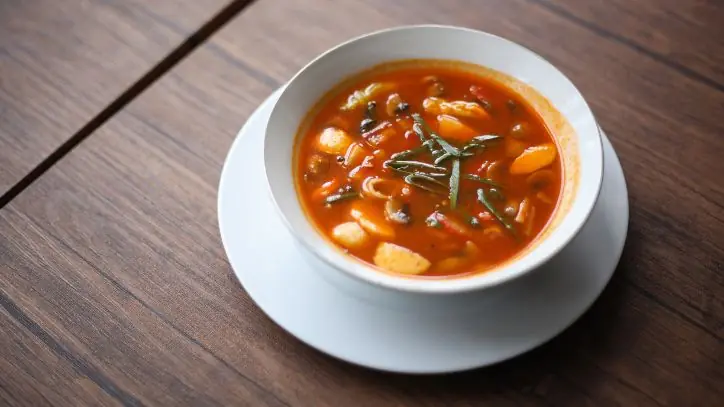
- Canned Soups: Opt for soups with broths that are rich in vegetables and lentils or beans as the primary ingredients. For example, chickpea soup: it’s high in protein and fiber and can be a meal on its own or a hearty side.
- Dried Pasta: While traditionally seen as a source of carbohydrates, choosing whole grain pasta can provide additional nutrients such as fiber. Pair this with nutritious sauces, like a simple olive oil and vegetable mix, for a complete meal.
- Healthy Snack Packs: Certain brands offer prepackaged snack packs that include nuts, seeds, and dried fruits. These can be great sources of healthy fats, protein, and antioxidants.
- Oatmeal Packets: Quick-cooking oatmeal packets can be a healthy breakfast option. Look for unsweetened varieties that you can enhance with fruits, nuts, or spices at home to control sugar and caloric intake.
Cooking with Prepackaged Foods
Integrating prepackaged foods into your cooking can enhance convenience without sacrificing nutritional quality. Here are some tips on how to use these foods effectively:
- Combine Fresh and Prepackaged: You can create a balanced meal by mixing fresh produce with canned or frozen components. For example, make a stir-fry with fresh veggies and frozen chicken for a quick, nutritious dinner.
- Use Prepackaged Ingredients as a Base: Consider using quick-cooking grains or beans as a foundation for meal salads or bowls. Add fresh ingredients like herbs, veggies, and a light dressing to elevate the dish.
- Be Creative with Sauces: Prepackaged sauces can be convenient but often are high in sugar and sodium. Try mixing prepackaged sauces with fresh ingredients for a healthier twist. For instance, combine a prepackaged marinara with fresh basil and tomatoes to enhance flavor without too many extras.
- Meal Prep with Prepackaged Items: On a weekend, use prepackaged foods to meal prep for the week. Cook up a batch of whole grain pasta, roast some frozen veggies, and store them in portioned containers for easy lunches or dinners throughout the week.
- Make Healthy Snack Packs: Utilize prepackaged items to create balanced snacks. Pair a pack of mixed nuts with dried fruit or mini cheese packs to provide sustained energy between meals.
Debunking More Myths About Prepackaged Foods
Many people are quick to categorize all prepackaged foods as unhealthy due to the negative press surrounding the processed food industry. Yet, there’s a substantial difference between highly processed foods and those that retain their nutritional integrity. Here are some more myths about prepackaged foods debunked:
- Myth 1: All Frozen Fruits and Vegetables are Inferior: Some believe that frozen fruits and vegetables are less nutritious than their fresh counterparts. In reality, frozen produce is often blanched and frozen at peak ripeness, locking in nutrients. For example, a published study found that frozen fruits and vegetables often have comparable nutrient levels to fresh.
- Myth 2: Prepackaged Foods Always Contain Unhealthy Additives: While some prepackaged foods do contain preservatives and additives, many brands are now focusing on clean labels with fewer ingredients. Brands like Amy’s Kitchen and Eden Foods prioritize health-conscious recipes that are minimally processed.
- Myth 3: All Snack Foods are Bad: The market is flooded with unhealthy snack options, making it easy to generalize that all snacks are harmful. However, healthier alternatives do exist, such as baked chips, popcorn, or whole grain crackers. These can satisfy cravings without causing overwhelm on your calorie intake.

Maintaining a Balanced Perspective on Processed Foods
As indicated, not every prepackaged product is unfit for a healthy diet. Modern consumers should adopt a balanced approach when it comes to nutrition. It’s more important to focus on the overall quality and variety of your diet rather than entirely eliminating processed foods. Life is about moderation, and having a few prepackaged items in your pantry can offer convenience and variety, especially when they help you meet your nutritional needs.
Implementing these balanced choices can help you enjoy the benefits of prepackaged foods without the guilt often associated with them. As demonstrated, the versatility and nutritional potential of some prepackaged items can play a vital role in shaping a healthy lifestyle.
Conclusion
In summary, while prepackaged foods have historically been viewed with skepticism, it’s important to take a more nuanced perspective. By carefully selecting nutritious options and incorporating them into our daily meals, we can enjoy the benefits of convenience and healthiness. Always focus on ingredient quality, stay aware of nutritional information, and balance your meals to create a holistic dietary approach.
If you’re looking for more inspiration or recipes that incorporate healthy prepackaged ingredients, feel free to check out resources or blogs, such as Fill Your Plate, where you can explore a wealth of information on nutritious eating.
Making informed choices empowers you to create a balanced and enjoyable diet that fits your lifestyle, transforming the way we perceive and use prepackaged foods. Embrace the culinary possibilities and enjoy the health benefits that come with a mindful approach to your grocery purchases!
By Heide Kennedy, Arizona Farm Bureau Communications Intern



Featured Recipes
COTTAGE CHEESE & BLUEBERRY BREAKFAST BAKE
Read More
Warm Your Soul Lasagna Soup
Read More
Pear Lime Jello Salad
Read More