

Blog
Get Biotin Through Food Sources
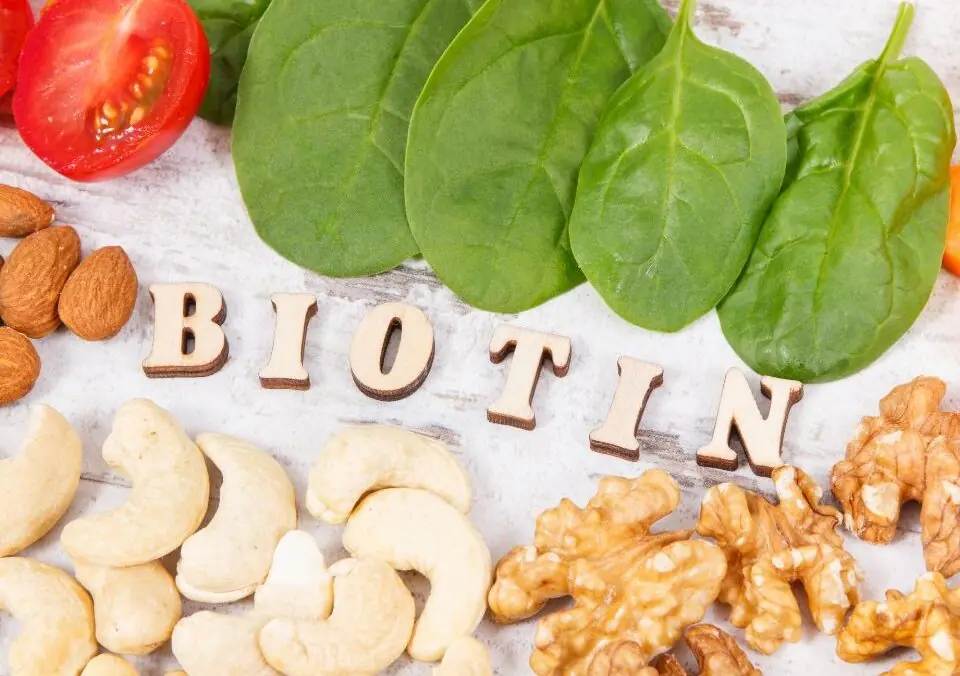
We often hear about how we should be eating for our health, whether it be our heart health, brain health, gut health, or something else. But we don’t often hear or read about eating for our hair, skin, and nail health, which is just as important as all of the other aspects of our health. In this comprehensive look at biotin, we will explore its benefits, the foods rich in this vital nutrient, and how you can incorporate them into your diet. This is where biotin comes in: as a water-soluble B vitamin, biotin plays a significant role in maintaining healthy hair, skin, and nails, in addition to supporting an efficient metabolism for energy production.
The Importance of Biotin
Biotin, also known as vitamin B7 or vitamin H, is part of the B-complex family of vitamins. Biotin is essential for breaking down macronutrients in the body, which include carbohydrates, fats, and proteins. According to registered dietitian Jessica Ball, biotin stimulates the production of keratin, a protein that makes up the structure of hair, skin, and nails. By supporting the body’s metabolic processes and promoting keratin production, biotin helps maintain the strength and integrity of our bodily structures.
Biotin Deficiency
A deficiency in biotin can lead to several health issues, particularly relating to the hair, skin, and nails. Common symptoms of biotin deficiency include:
- Brittle Hair and Nails: When biotin levels are low, hair can become thin, brittle, and prone to breakage. Nails may chip and split easily.
- Skin Rashes: A lack of biotin can result in skin problems, including rashes mainly around the eyes, nose, and mouth.
- Fatigue: Biotin is involved in energy metabolism; thus, low levels can lead to feelings of fatigue and overall malaise.
To combat this, biotin supplements have surged in popularity in recent years. However, as mentioned by Ball, many studies supporting biotin supplementation are very limited and outdated. Therefore, the best way to meet our biotin needs is through food. Notably, the National Institutes of Health has recommended a daily intake of 30 micrograms of biotin for adults aged 19 and older.
Food Sources Rich in Biotin
There are several foods naturally rich in biotin, many of which are not only nutritious but also delicious. Here is a list of biotin-rich food sources along with their benefits:
1. Eggs
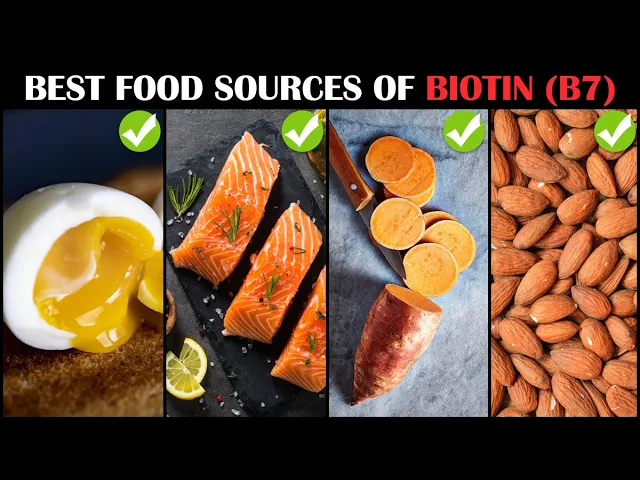
Eggs are a fantastic source of biotin, particularly in their yolks. They also contain high-quality protein and beneficial fats. Incorporating eggs into your breakfast, whether scrambled, poached, or in an omelet, can be a great way to boost your biotin intake.
Prepare: Try a veggie-loaded omelet with spinach, tomatoes, and cheese for a nutrient-packed breakfast that supports your hair and skin health!
2. Salmon
Salmon is known for its omega-3 fatty acids, which are crucial for heart health. But it also contains significant amounts of biotin, making it a double-win for your health.
Cook: Grill or bake salmon with herbs and lemon for a flavorful and nutritious dinner option.
3. Tuna
Tuna, like salmon, is packed with omega-3 fatty acids and biotin. It’s a versatile fish that can be added to salads, sandwiches, or eaten as sushi.
Enjoy: Create a tuna salad with Greek yogurt instead of mayonnaise for a healthier twist.
4. Beef
Lean cuts of beef provide various nutrients, including protein and iron, along with biotin. Try opting for grass-fed beef, which may contain higher levels of beneficial nutrients.
Serve: Grill beef steaks with a side of roasted vegetables for a hearty and fulfilling meal.
5. Pork
Pork is another meat that is rich in biotin, and it’s also a great source of vitamins and minerals. Lean cuts of pork can easily be roasted, grilled, or sautéed.
Pair: Serve pork with sweet potatoes for additional biotin and a delightful flavor combination.
6. Sunflower Seeds
Sunflower seeds are not only rich in biotin but are also filled with healthy fats and vitamin E, which is great for skin health. A small handful can make for a perfect snack!
Snack: Mix sunflower seeds into your trail mix or top your yogurt or salad with them.
7. Sweet Potatoes
Sweet potatoes are high in beta-carotene and several vitamins, including biotin. They can be incorporated into meals in various ways.
Bake: Slice sweet potatoes and bake them with a sprinkle of cinnamon for a delicious and nutritious side dish.
8. Almonds
Almonds contain not only biotin but also magnesium and vitamin E, making them an excellent choice for your skin and hair health.
Snack: Snack on raw almonds or mix them into oatmeal or smoothies for added crunch and nutrition.
9. Spinach
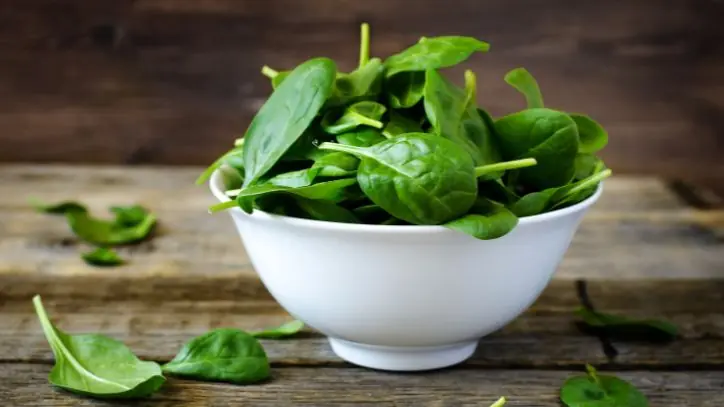
Spinach is a nutrient-dense leafy green packed with vitamins, minerals, and antioxidants, including biotin. It can be consumed raw or cooked.
Make: Blend spinach into smoothies for a nutrient boost or add it to your salads and sandwiches.
10. Broccoli
Broccoli is another veggie that can help boost your biotin levels while providing fiber and various vitamins. It’s versatile and can be added to many dishes.
Cook: Steam broccoli lightly and drizzle with olive oil for a simple and healthy side dish.
11. Apples
Apples not only provide hydration but are also a good source of biotin and dietary fiber. Their natural sweetness makes them a great snack.
Enjoy: Snack on sliced apples with almond butter for a satisfying and nutrient-rich treat.
12. Bananas
Bananas are not just a great source of potassium; they also contain biotin. This makes them an excellent option for a quick snack or post-workout energy booster.
Blend: Use bananas in smoothies or use them as a natural sweetener in baked goods.
13. Dairy Products
Dairy products, including milk, yogurt, and cheese, are rich in biotin and also provide calcium and protein. Selecting low-fat options can be a healthy choice.
Serve: Incorporate yogurt into your breakfast by adding fruits and nuts for a balanced meal.
14. Whole Wheat Products
Whole grains are another source of biotin, as they are less processed than their refined counterparts. Whole wheat bread and pasta can be excellent staples in your diet.
Cook: Use whole wheat pasta for your favorite pasta salad or stir-fry dishes for a healthier alternative.
Incorporating Biotin-Rich Foods Into Your Diet
Now that we know which foods are rich in biotin, let’s discuss some ways to include them in our daily diets effectively. Here are some ideas:
- Breakfast: Start your day with a vegetable omelet made with eggs, spinach, and cheese. Pair it with whole-grain toast for a balanced meal.
- Lunch: Prepare a salad with mixed greens, tuna, almonds, and a sprinkle of sunflower seeds. Use olive oil and lemon juice for dressing.
- Dinner: Grill salmon or pork and pair it with roasted sweet potatoes and steamed broccoli or spinach.
- Snacks: Keep raw almonds or sunflower seeds on hand for healthy snacks. Sliced apples or bananas work well, too!
- Smoothies: Create smoothies with spinach, banana, yogurt, and a tablespoon of almond butter for a delicious and nutritious treat.
Local Biotin Sources in Arizona
Many of the foods rich in biotin are produced right here in Arizona. Fresh dairy products, fruits, veggies, and eggs are widely available from local farmers. Supporting local agriculture not only helps maintain the environment but also provides top-quality, fresh options for your dietary needs.
Community Farms and Markets
Check out local farmers’ markets to find fresh and seasonal ingredients that are high in biotin. You may discover new fruits, vegetables, and dairy products that you can integrate into your meals, all while supporting local businesses. Additionally, many farms in Arizona offer Community Supported Agriculture (CSA) memberships, allowing you to receive a box of fresh produce regularly.
Conclusion
Biotin plays a crucial role in maintaining the health of our hair, skin, and nails, making it an essential nutrient to consider in our diets. Achieving adequate biotin intake through food sources not only supports overall wellness but also promotes aesthetic health. From eggs and fish to a variety of nuts and vegetables, there is an abundance of options available to boost your biotin intake.
So, the next time you’re grocery shopping, consider reaching for these Arizona-grown products! For more health-related articles and tips, check out the Fill Your Plate blog to explore various insights into healthy eating and nutrition. By being mindful of our food choices and incorporating these nutrient-rich options into our meals, we can significantly enhance our health and quality of life.
By Heide Kennedy, Arizona Farm Bureau Communications Intern



Featured Recipes

COTTAGE CHEESE & BLUEBERRY BREAKFAST BAKE
Read More


Warm Your Soul Lasagna Soup
Read More
Pear Lime Jello Salad
Read More