Blog
What Nutrition Does Rice Have? A Complete Guide to Rice’s Nutritional Value
Rice has always been one of those foods that seems to divide opinions. Some people swear by it and include it in nearly every meal, while others avoid it because they’ve heard carbohydrates are the enemy. I used to fall somewhere in the middle. When I first became serious about improving my fitness, I believed I had to cut out foods like rice if I wanted to lose body fat and see results. Like many people, I associated carbohydrates with weight gain rather than understanding their role in the body. So, I swapped rice for lower-carb alternatives, thinking I was making the healthier choice.
At first, I didn’t notice much of a difference. But as my training became more demanding, something changed. My workouts started to feel harder, my energy levels weren’t as consistent, and recovery between sessions became more difficult. I realized that simply removing foods wasn’t the answer. Instead, I needed to understand what those foods provided.
Once I learned more about nutrition, rice became a regular part of my meal prep. I wasn’t eating it because it was trendy or because someone on social media told me to. I was eating it because it consistently helped me feel energized, recover well, and stay on track with my nutrition goals. That experience taught me something important. No single food is inherently “good” or “bad.” What matters is understanding the nutrients it provides and how it fits into your overall eating pattern.
Rice is one of the most widely consumed staple foods in the world, feeding billions of people every day. It’s affordable, versatile, easy to prepare, and pairs well with countless healthy foods. Yet despite its popularity, many people still ask the same question:
What nutrition does rice actually have?
The answer goes far beyond carbohydrates. Rice contains several nutrients that support energy production, muscle function, metabolism, and overall health. Whether you choose white, brown, jasmine, or another variety, understanding what’s in each serving can help you make more informed decisions about your diet. Let’s take a closer look.
Why Rice Is One of the World’s Most Popular Foods
Rice has been cultivated for thousands of years and remains one of the most important staple foods across the globe. According to the Food and Agriculture Organization (FAO), more than half of the world’s population relies on rice as a primary food source.
Its popularity comes down to several factors:
- It’s affordable.
- It’s easy to cook.
- It stores well.
- It’s naturally gluten-free.
- It provides a reliable source of energy.
Unlike many processed foods, plain rice contains very few ingredients because it is simply a whole grain or refined grain depending on the variety you choose. It can be incorporated into meals for athletes, busy professionals, families, and anyone looking to build a balanced diet.
Rice also adapts well to different cuisines, making it one of the most versatile foods available. From stir-fries and burrito bowls to curries and grilled chicken meals, rice serves as the foundation for countless nutritious dishes.
What Nutrients Are Found in Rice?
Although rice is best known for its carbohydrate content, it offers much more than just energy. The exact nutritional profile depends on the type of rice you choose, but rice contains several nutrients that contribute to overall health.
Most varieties contain:
- Carbohydrates
- Protein
- Small amounts of fat
- B vitamins
- Iron
- Magnesium
- Phosphorus
- Manganese
- Selenium
The nutrients found in rice work together to support energy production, metabolism, muscle function, and overall health. According to the USDA FoodData Central, one cup of cooked white rice contains approximately:
- Calories: 205
- Carbohydrates: 45 grams
- Protein: 4.3 grams
- Fat: 0.4 grams
- Fiber: 0.6 grams
Brown rice contains a similar number of calories and carbohydrates but offers more fiber and naturally occurring vitamins and minerals because it retains the bran and germ layers.
Carbohydrates: Rice’s Primary Nutrient
The nutrient rice is most famous for is carbohydrates, and for good reason.
Carbohydrates are the body’s preferred source of energy. Every movement you make, whether you’re walking, lifting weights, working, or simply thinking through a difficult task, requires energy. Much of that energy comes from carbohydrates.
When you eat rice, your digestive system breaks down the carbohydrates into glucose. Your body immediately uses some of that glucose for fuel, while the rest is stored as glycogen inside your muscles and liver.
Think of glycogen as your body’s rechargeable battery. Whenever you exercise or engage in physical activity, your muscles draw on those stored energy reserves to keep you moving.
That’s one of the reasons rice has remained a staple among athletes for decades. It provides a dependable source of carbohydrates that help replenish glycogen stores before and after exercise.
According to the Academy of Nutrition and Dietetics, Dietitians of Canada, and the American College of Sports Medicine, carbohydrates are the primary fuel source for moderate- to high-intensity exercise and play a critical role in maintaining glycogen stores.
For active individuals, carbohydrates aren’t something to fear. They’re an essential nutrient that supports:
- Energy production
- Exercise performance
- Brain function
- Muscle recovery
- Daily activities
The key isn’t avoiding carbohydrates. It’s choosing quality carbohydrate sources and eating them in amounts that align with your goals and activity level.
Does Rice Contain Protein?
While rice isn’t considered a high-protein food, it still contributes to your daily protein intake. A cup of cooked rice provides approximately 4 grams of protein, with slight variations depending on the variety.
Protein plays several important roles in the body. It helps repair tissues, maintain muscle mass, produce enzymes, and support immune function. Although rice doesn’t contain enough protein to meet your needs on its own, it pairs exceptionally well with other protein-rich foods.
Some balanced combinations include:
- Chicken and rice
- Salmon and rice
- Lean beef with rice
- Eggs and rice
- Tofu with rice
- Beans and rice
In fact, combining rice with legumes such as beans creates a complementary protein profile that provides all nine essential amino acids. Research published in the British Journal of Sports Medicine found that higher protein intake, when combined with resistance training, significantly improves muscle strength and lean body mass.
While protein usually gets the spotlight in fitness conversations, carbohydrates and protein often work best together. Carbohydrates replenish energy, while protein supports muscle repair and recovery.
Vitamins Found in Rice
Rice also provides several vitamins that support normal body function. Many white rice varieties sold in the United States are enriched, meaning vitamins are added back after milling. Some of the most common vitamins found in rice include:
Thiamin (Vitamin B1)
Thiamin helps convert carbohydrates into usable energy and supports proper nervous system function.
Niacin (Vitamin B3)
Niacin assists with metabolism and helps your body convert food into energy.
Folate
Folate plays an important role in cell growth and DNA production. It’s especially important during pregnancy because it supports healthy fetal development.
Vitamin B6
Some rice varieties also provide vitamin B6, which contributes to brain development and immune function. Although rice isn’t your only source of these nutrients, it can contribute to your overall daily intake when consumed as part of a balanced diet.
Minerals Found in Rice
In addition to carbohydrates and B vitamins, rice contains several important minerals that support everyday health. While the exact amounts vary depending on the variety, these minerals contribute to everything from muscle function and bone health to energy production.
Magnesium
Magnesium is involved in more than 300 biochemical reactions in the body. It helps regulate muscle contractions, supports nerve function, assists in blood sugar control, and contributes to healthy bones. Brown rice naturally contains more magnesium than white rice because the nutrient-rich bran layer remains intact.
Manganese
One of the standout minerals in brown rice is manganese. This mineral plays an important role in metabolism, antioxidant defense, and bone development. It also helps your body process carbohydrates, proteins, and fats into usable energy.
Phosphorus
Phosphorus works alongside calcium to build and maintain strong bones and teeth. It’s also involved in energy production and cell repair, making it an essential nutrient for overall health.
Selenium
Rice contains small amounts of selenium, an antioxidant mineral that helps protect cells from oxidative stress. Selenium also supports thyroid function and contributes to a healthy immune system.
Iron
Many enriched white rice products provide iron, which is essential for transporting oxygen throughout the body. Iron deficiency can lead to fatigue, reduced endurance, and decreased concentration.
Rice also contains important minerals such as magnesium, iron, and phosphorus, all of which contribute to normal body function. Magnesium supports muscle and nerve function, iron helps transport oxygen throughout the body, and phosphorus plays an important
White Rice vs. Brown Rice: What’s the Difference?
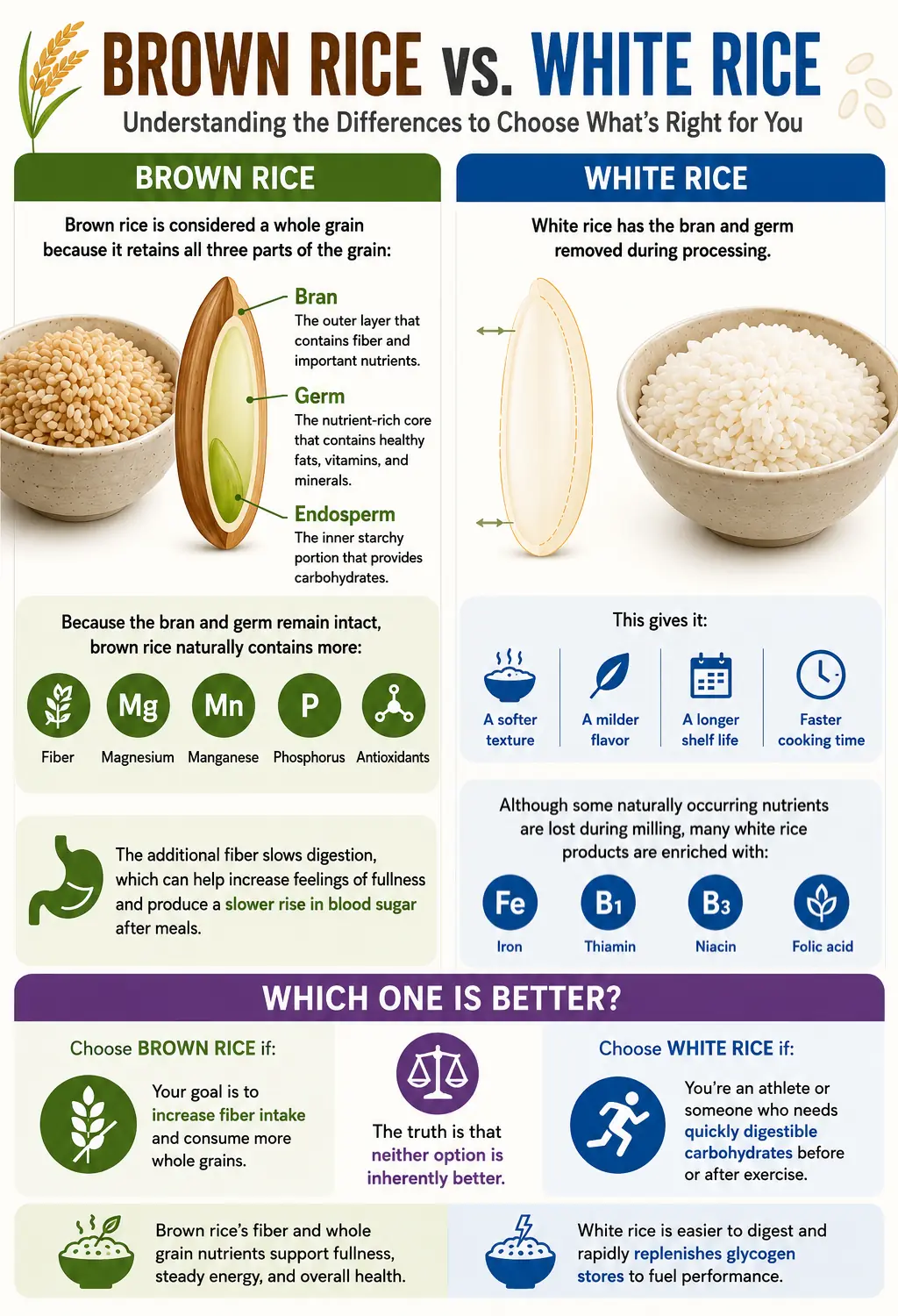
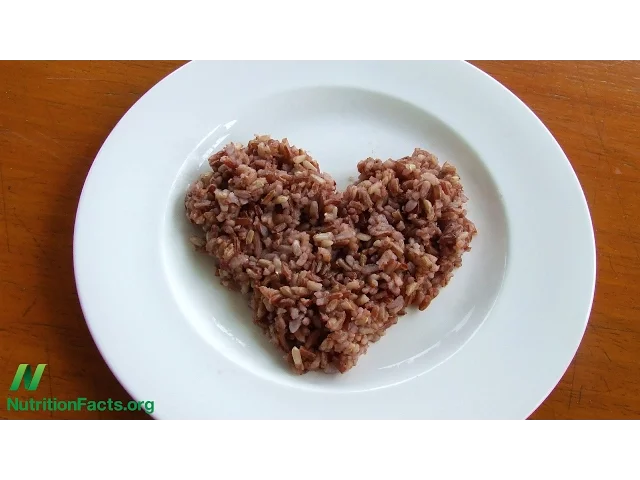
One of the biggest questions people ask is whether white rice or brown rice is the healthier option. The answer is a little more nuanced than many people think. Both varieties come from the same grain. The difference lies in how they’re processed.
Brown Rice
Brown rice is considered a whole grain because it retains all three parts of the grain:
- Bran
- Germ
- Endosperm
Because the bran and germ remain intact, brown rice naturally contains more:
- Fiber
- Magnesium
- Manganese
- Phosphorus
- Antioxidants
The additional fiber slows digestion, which can help increase feelings of fullness and produce a slower rise in blood sugar after meals.
White Rice
White rice has the bran and germ removed during processing. This gives it:
- A softer texture
- A milder flavor
- A longer shelf life
- Faster cooking time
Although some naturally occurring nutrients are lost during milling, many white rice products are enriched with:
- Iron
- Thiamin
- Niacin
- Folic acid
As a result, enriched white rice still provides several important nutrients.
Which One Is Better?
The truth is that neither option is inherently better.
If your goal is to increase fiber intake and consume more whole grains, brown rice may be the better choice. If you’re an athlete or someone who needs quickly digestible carbohydrates before or after exercise, white rice can actually be beneficial because it’s easier to digest and rapidly replenishes glycogen stores. Personally, I include both in my diet. When I’m meal prepping or simply looking for more fiber throughout the day, I’ll often choose brown rice. Around tougher workouts, I usually prefer white rice because it’s easier on my stomach and provides quick, reliable energy. Nutrition isn’t about labeling foods as “good” or “bad.” It’s about choosing the option that best fits your goals.
Both white rice and brown rice can be part of a healthy diet. However, because brown rice retains its bran and germ, it is a whole grain that naturally provides more fiber, vitamins, minerals, and beneficial plant compounds than white rice.
Long-Grain vs. Medium-Grain vs. Short-Grain Rice
Another point of confusion is the difference between grain lengths. Many people assume they’re nutritionally different, but the biggest differences involve texture and cooking characteristics.
Long-Grain Rice
Examples include:
- Jasmine rice
- Basmati rice
Long-grain rice remains fluffy after cooking because the grains stay separate. It’s excellent for:
- Meal prep
- Stir-fries
- Burrito bowls
- Chicken and rice meals
For fitness and meal preparation, this is usually my go-to choice because it reheats well and doesn’t become overly sticky.
Medium-Grain Rice
Medium-grain rice is slightly shorter and contains a bit more starch than long-grain varieties.
After cooking, it becomes softer and slightly more tender. It’s commonly used in:
- Risotto
- Paella
- Rice bowls
Short-Grain Rice
Short-grain rice contains the highest amount of starch. After cooking, the grains stick together easily. This makes it ideal for:
- Sushi
- Rice balls
- Certain Asian dishes
Although the texture differs, all three grain lengths provide similar amounts of carbohydrates, calories, and protein. Choosing one over another usually comes down to preference and the type of meal you’re preparing.
Rice and Athletic Performance
One reason you’ll find rice in the diets of many athletes is that it provides an efficient source of carbohydrates. When you train, your muscles rely heavily on glycogen for fuel. After exercise, replenishing those glycogen stores becomes an important part of recovery.
Research published by the Journal of the International Society of Sports Nutrition highlights the importance of carbohydrate intake after exercise for restoring muscle glycogen and supporting recovery.
Whether you’re lifting weights, running, cycling, or playing sports, carbohydrates help support:
- Exercise performance
- Endurance
- Recovery
- Energy levels
This is one reason I don’t fear foods like rice. Instead of looking at it as “just carbs,” I view it as fuel that supports my training and recovery. When paired with lean protein and vegetables, rice becomes part of a complete meal that helps my body recover and prepare for the next workout.
Can Rice Help with Weight Management?
One of the biggest misconceptions about rice is that it automatically causes weight gain.
The truth is much simpler. No single food causes weight gain on its own. Weight gain occurs when you consistently consume more calories than your body uses. Rice can absolutely fit into a weight-loss or weight-maintenance plan when portion sizes align with your calorie needs. In fact, rice offers several advantages:
- Affordable
- Filling when paired with protein and vegetables
- Easy to portion
- Versatile
- Naturally low in fat
For me, rice actually makes healthy eating easier because it’s predictable. I know exactly how to build a balanced meal around it:
- Lean protein
- Rice
- Vegetables
- Healthy fat
Keeping meals simple has helped me stay consistent, and consistency is far more important than trying to eliminate entire food groups.
Common Myths About Rice
Rice has developed an unfair reputation over the years. With the popularity of low-carbohydrate diets and social media nutrition trends, many people have started to believe that rice is unhealthy or should be avoided altogether. The truth is, many of these beliefs are based on misconceptions rather than science. Let’s clear up some of the most common myths.
Myth #1: Rice Makes You Gain Weight
This is probably the biggest misconception surrounding rice. No single food causes weight gain on its own. Weight gain occurs when you consistently consume more calories than your body burns over time. Rice is simply one source of carbohydrates and calories. Like any other food, portion size and your overall eating habits matter much more than the food itself. In fact, rice can fit into a weight loss plan when eaten in appropriate portions alongside lean proteins, vegetables, and healthy fats.
Myth #2: Rice Has No Nutritional Value
Many people think rice is nothing more than “empty carbs.” As you’ve seen throughout this article, that’s far from the truth.
Rice provides:
- Complex carbohydrates
- Protein
- B vitamins
- Iron
- Magnesium
- Manganese
- Phosphorus
- Selenium
Brown rice also provides fiber and additional antioxidants because it retains the bran and germ layers. While rice shouldn’t be your only source of nutrients, it certainly contributes to a healthy, balanced diet.
Myth #3: Brown Rice Is Always Better
Brown rice is often promoted as the healthier choice, but that doesn’t mean white rice is unhealthy. Brown rice contains more fiber and naturally occurring nutrients, making it an excellent whole-grain option. However, white rice offers several advantages as well. It’s:
- Easier to digest
- Cooks faster
- Has a longer shelf life
- Replenishes glycogen quickly after exercise
For athletes and highly active individuals, white rice may actually be the better option around workouts because it digests more quickly and provides readily available energy.
The “best” choice depends on your goals, activity level, digestive tolerance, and personal preference.
At the end of the day, rice is much more than just a source of carbohydrates. It provides energy, essential vitamins, minerals, and small amounts of protein that contribute to overall health. The real key isn’t deciding whether rice is “good” or “bad.” It’s understanding how it fits into your overall nutrition plan. Rather than fearing foods based on popular trends, focus on building balanced meals, eating a variety of nutrient-dense foods, and staying consistent with your habits. Those daily choices are what have the biggest impact on your long-term health and performance.
Ready to Take Your Nutrition to the Next Level?
Understanding nutrition is one thing. Applying it consistently is another. If you’re tired of second-guessing what to eat and want a nutrition plan that supports your goals, I’m here to help. Whether you’re looking to improve your performance, lose weight, build muscle, or simply create healthier habits, personalized coaching can provide the structure and accountability you need. Together, we can build a plan that fits your lifestyle, takes the guesswork out of nutrition, and helps you feel confident in your food choices. Fuel your body with purpose, stay consistent, and let your nutrition work for you.
Joel Carr Arizona Farm Bureau Strategic Communications Manager



Featured Recipes

COTTAGE CHEESE & BLUEBERRY BREAKFAST BAKE
Read More
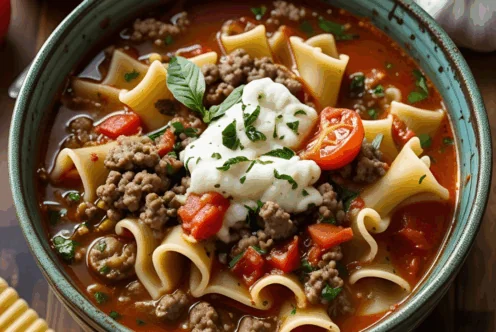
Warm Your Soul Lasagna Soup
Read More

Pear Lime Jello Salad
Read More