
Blog
Is Food Becoming Too Expensive? How to Eat Well on a Budget
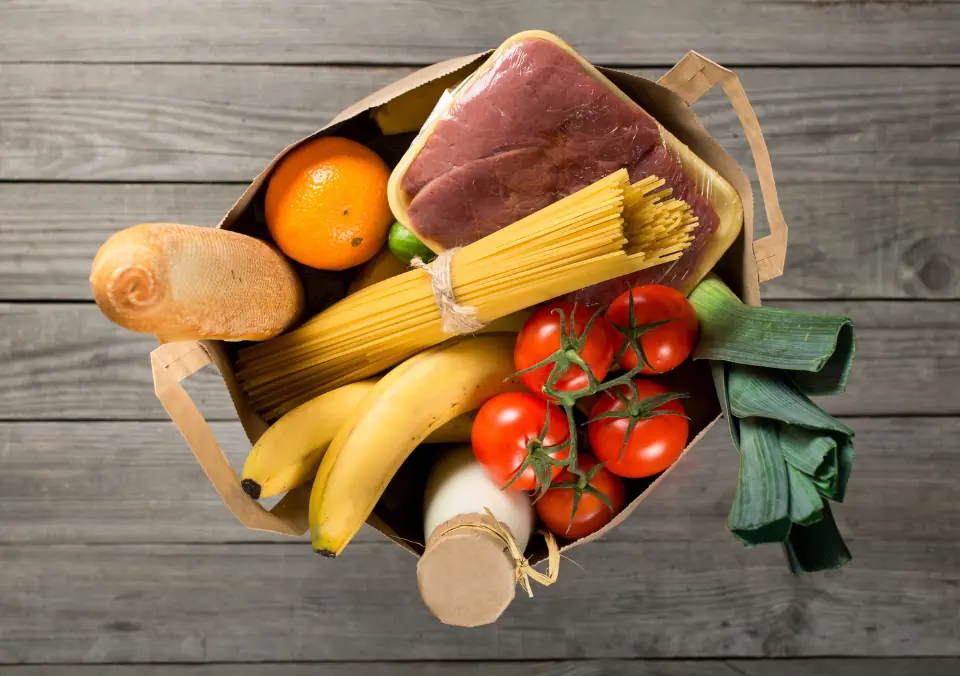
When I first started taking fitness and nutrition seriously, I thought eating healthy meant filling my grocery cart with the best ingredients I could find.
Eating healthy can get expensive if you’re not paying attention to what you’re buying.
Walk through a grocery store today, and it’s easy to see why so many people feel frustrated. A few packages of meat, and a handful of other essentials can add up faster than expected.
Then there are all the products marketed as healthy. Organic snacks, protein-packed cereals, specialty drinks, and superfood powders often come with prices that make you wonder whether good nutrition has become a luxury. But here’s what I’ve learned over time.
Eating well doesn’t have to mean buying the most expensive foods.
Some of the most nutritious options are also some of the simplest, including lean meats, fresh vegetables, fruit, Greek yogurt, potatoes, oats, beans, rice, eggs, and frozen vegetables. So, are healthy foods becoming too expensive? And more importantly, how can we make nutritious meals affordable without giving up the foods we enjoy? Let’s take a closer look.
Why Does Healthy Eating Feel So Expensive?
There’s no question that grocery costs affect how people shop. When food prices rise, families must make decisions about what fits their budgets. That can mean choosing less expensive cuts of meat, buying fewer convenience products, or changing the meals they prepare. But the cost of healthy eating isn’t just about inflation. It’s also about what we’ve come to believe healthy food should look like.
Spend a few minutes scrolling through social media, and you’ll see meals made with expensive protein powders, specialty supplements, organic produce, and ingredients you might not even recognize. Those foods can have a place in someone’s diet, but they’re not requirements for good nutrition.
You don’t need a smoothie made with six different superfoods to get vitamins and minerals. You don’t need an expensive protein bar every afternoon. And you certainly don’t need every product in your kitchen to have the words high protein, organic, or superfood printed on the package. For most people, a balanced diet can be built around everyday foods available at a regular grocery store. The challenge is learning which foods provide good nutrition for the money.
Are Healthy Foods Actually More Expensive?
The answer isn’t as simple as yes or no. Some nutritious foods do cost more than less nutritious alternatives. Fresh berries, certain cuts of meat, and individually packaged convenience foods can be expensive, especially when they’re out of season or sold in small portions. But other healthy foods are surprisingly affordable. Think about a bag of dried beans, a container of oats, a bag of potatoes, or frozen vegetables. These foods can provide several servings at a relatively low cost. It also depends on how you’re comparing prices. For example, a bag of chips might cost less than a package of chicken. But they serve very different nutritional purposes and provide no nutritional value, so comparing only the package prices doesn’t tell the whole story. Likewise, a large bag of rice may cost more upfront than a single microwaveable rice cup, but the larger bag often provides many more servings.
That’s why I like looking at three things when comparing foods:
- Cost per serving: How much does each portion actually cost?
- Nutritional value: What protein, fiber, vitamins, and minerals am I getting?
- How many meals can I make? Will the food help me prepare several meals or only one snack?
The USDA’s Healthy Eating on a Budget resources offer helpful strategies for planning meals, comparing prices, and choosing nutritious foods without overspending. The goal isn’t necessarily to buy the cheapest food available. It’s to get good nutritional value while staying within your budget.
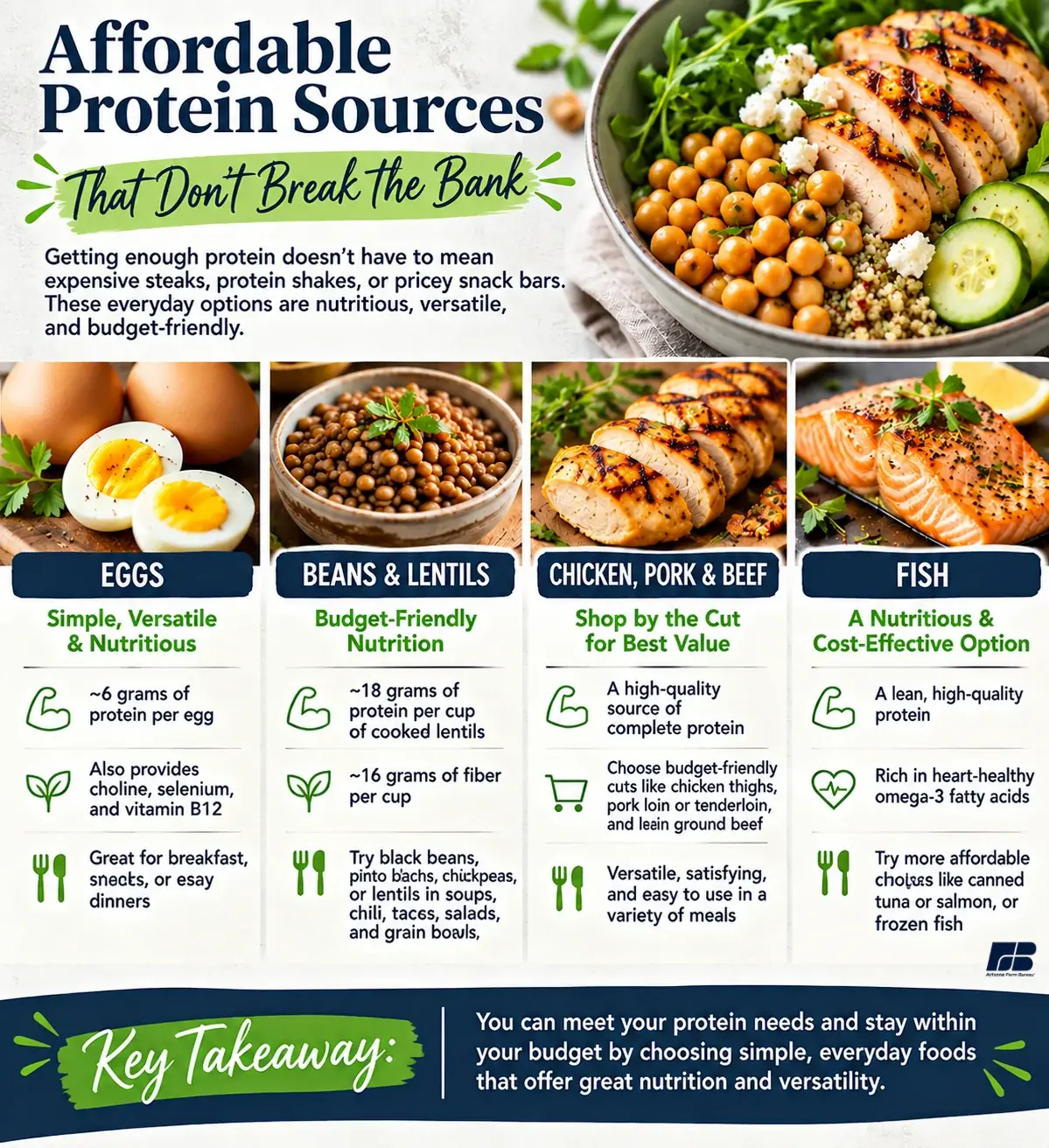
Affordable Protein Sources That Don’t Break the Bank
Protein is one of the first things I pay attention to when planning meals. It supports muscle repair, helps maintain muscle mass, and plays a role in many important functions throughout the body. But getting enough protein doesn’t mean you need to spend a fortune on steaks, protein shakes, or expensive snack bars. There are plenty of affordable options.
Eggs: Simple, Versatile, and Nutritious
Eggs are one of my favorite examples of a food that can fit into almost any meal. One large egg provides approximately 6 grams of protein, along with nutrients such as choline, selenium, and vitamin B12. You can scramble them for breakfast, hard-boil them for a snack, or add them to rice and vegetables for a quick dinner. Egg prices can fluctuate, so they’re not always the cheapest option. Still, their versatility makes them worth comparing with other protein sources.
Beans and Lentils: Budget-Friendly Nutrition
If you’re looking for an affordable combination of protein and fiber, beans and lentils deserve more attention. A cup of cooked lentils provides roughly 18 grams of protein and about 16 grams of fiber, according to USDA food composition data. That’s a lot of nutrition from a relatively inexpensive food.
Black beans, pinto beans, chickpeas, and lentils work well in soups, chili, tacos, salads, and grain bowls. Dried beans are often economical, while canned beans save time. If you choose canned varieties, draining and rinsing them can help reduce sodium.
Chicken, Pork, and Beef: Shop by the Cut
Meat can be a valuable source of complete protein, but the cut you choose makes a difference in price. Chicken thighs may cost less than boneless, skinless chicken breasts. Pork loin and pork tenderloin can be worth comparing when they’re on sale. Ground beef, chuck roast, and round cuts may also offer better value than premium steaks. Beef provides protein, iron, zinc, and vitamin B12, while pork supplies protein and nutrients such as thiamin, selenium, and vitamin B12. Of course, beef prices don’t exist in a vacuum. The Arizona Farm Bureau discusses some of the supply-and-demand pressures affecting beef costs in its article, Beef Prices in Arizona: Supply and Demand Headwinds.
It’s a useful reminder that grocery prices can be influenced by factors beyond our control. What we can control is how we shop. I like comparing prices per pound, watching for sales, and freezing extra portions when buying a larger package makes financial sense. And if beef is expensive that week, there’s nothing wrong with choosing pork, fish, chicken, eggs, or beans instead.
Canned Fish and Plain Greek Yogurt
Canned tuna and salmon can be convenient protein sources that store well, although prices vary by brand and type. Plain Greek yogurt is another useful option, especially when larger containers cost less per serving than individual cups.
I also like that plain yogurt can work in both sweet and savory meals. Add fruit and oats for breakfast or use it as a base for a simple sauce or dip. The important thing is variety. You don’t need one perfect protein source. You need a selection of foods that meets your needs and fits your budget.
Fresh, Frozen, or Canned: Does It Really Matter?
One of the biggest misconceptions about healthy eating is that fresh produce is always the best choice. Fresh fruits and vegetables are excellent, but frozen and canned options can also provide valuable nutrients. In fact, frozen produce is often processed soon after harvest, helping preserve its nutritional value. That means frozen broccoli, green beans, spinach, berries, and mixed vegetables can be practical alternatives to fresh versions. They come with a major advantage.
They last longer.
I can’t tell you how many times I’ve bought fresh produce with good intentions, only to realize a few days later that I didn’t use it quickly enough. That’s money going straight into the trash. Frozen vegetables make it easier to cook only what you need. Canned vegetables and fruit can also be useful. Look for vegetables with no added salt or lower sodium when possible, and fruit packed in water or juice rather than heavy syrup.
The USDA MyPlate guidance recognizes fresh, frozen, canned, and dried vegetables as options that can contribute to a healthy eating pattern. So, if frozen spinach is cheaper than fresh spinach this week, buy the frozen version. Your body doesn’t require your vegetables to come from the produce aisle.
Healthy Carbohydrates That Stretch Your Grocery Budget
Carbohydrates sometimes get a bad reputation in fitness conversations. But foods like rice, oats, potatoes, and whole grains can provide energy, fiber, vitamins, and minerals, depending on the food. They can also make healthy meals much more affordable.
Potatoes: More Than Just a Cheap Side Dish
Potatoes are one of the most underrated foods for nutrition and value. They provide carbohydrates for energy, potassium, vitamin C, and some fiber, especially when you eat the skin. They’re incredibly versatile. You can bake, roast, mash, or add them to soups and breakfast skillets. Pair a baked potato with beans, vegetables, and a protein source, and you’ve got the foundation of a balanced meal.
Rice: A Reliable Pantry Staple
Rice is another food I like because it works with so many different ingredients. You can serve it with chicken and vegetables, add it to soups, or use leftover rice for a quick stir-fry. Brown rice generally provides more fiber than white rice, but both can fit into a balanced diet. The best choice depends on your preferences, nutritional needs, and what you’ll eat. Buying rice in larger packages can sometimes reduce the cost per serving, but only if you’ll use it before quality declines.
Oats: An Affordable Breakfast Option
Oats are a simple way to start the day. They provide carbohydrates and soluble fiber, including beta-glucan, which has been studied for its role in supporting healthy cholesterol levels. Add milk or yogurt, fruit, and perhaps some nuts or seeds, and you’ve got a satisfying breakfast. You don’t need an expensive, individually packaged oatmeal cup to get those benefits. A container of plain oats can make many breakfasts for a fraction of the cost. The best way to reduce your costs is to stay away from high-sugar content boxed cereals that do not contain very much nutritional value.
Is Buying Organic Worth the Extra Money?
Organic foods are often marketed as healthier choices, but the organic label doesn’t automatically mean a food contains more nutrients. Organic production follows specific agricultural standards. Those standards matter to some shoppers, but they shouldn’t make anyone feel that conventionally grown fruits and vegetables aren’t worth eating. If organic produce fits your preferences and budget, that’s fine.
But if conventional apples, carrots, spinach, or potatoes are more affordable, they’re are as nutritious. The same principle applies to many specialty products.
Gluten-free, keto-friendly, plant-based, and high-protein labels can describe useful characteristics, but they don’t automatically tell you whether a product is nutritious or good value. I would rather see someone consistently eating affordable fruits, vegetables, whole grains, and protein sources than avoiding those foods because they can’t afford premium versions. Healthy eating should be realistic, not exclusive.
How to Shop Smarter and Waste Less Food
Sometimes saving money on groceries has less to do with changing what you eat and more to do with changing how you shop. Here are the habits I find most useful.
1. Plan a Few Meals Before Shopping
You don’t need a detailed meal plan covering every bite. Even choosing three or four meals for the week can help.
If you know you’re making chicken and rice bowls, lentil soup, and pork with roasted vegetables, you can build your shopping list around ingredients you’ll actually use. That helps reduce impulse purchases and forgotten produce.
2. Compare Unit Prices
A larger package isn’t always the better deal. Check the price per ounce, pound, or serving when comparing similar products. This is especially helpful for yogurt, rice, oats, frozen vegetables, and meat. Also remember that a cheaper unit price only saves money if you use the food.
3. Shop Sales Without Buying Things You Don’t Need
A sale can be useful, especially for foods you regularly eat. But buying three packages of something you rarely use isn’t saving money just because there’s a discount. I try to focus on staples that I know will fit into upcoming meals.
Does Meal Prepping Actually Save Money?
Meal prepping can help, but only when it works with your lifestyle. Preparing several meals in advance can reduce last-minute food purchases and make it easier to use ingredients before they spoil. However, cooking an entire week’s worth of meals isn’t necessary. Personally, I think a simpler approach is often more sustainable.
You might cook a pot of rice, prepare a protein source, wash vegetables, and make a batch of soup. Then you can mix and match those ingredients throughout the next few days. This gives you flexibility without spending your entire Sunday cooking. Food safety matters too. Refrigerate perishable leftovers promptly, generally use refrigerated cooked leftovers within three to four days, and freeze portions you won’t eat in that window. The USDA’s food safety guidance offers helpful information about storing leftovers safely.
What About Protein Bars, Shakes, and Other Healthy Convenience Foods?
I’m not against convenience foods. Protein shakes, bars, prewashed salads, and microwaveable grains can make healthy eating easier when life gets busy. Sometimes paying a little more for convenience is worth it, especially if it helps you eat consistently or prevents food waste. But convenience products shouldn’t be confused with nutritional necessities. A protein bar might provide 20 grams of protein, but so can a serving of certain protein-rich whole foods. A premade smoothie might be convenient, but a banana, plain yogurt, and milk can provide useful nutrition too.
The question I ask is simple:
Am I paying extra for something that genuinely makes my life easier, or am I paying for the marketing?
There’s no universal right answer. If a protein shake helps you meet your needs after a workout, it may be worth the cost. If you’re buying expensive snacks because the package says they’re healthy, it might be time to compare the Nutrition Facts label and the price per serving.
The FDA’s guide to understanding Nutrition Facts labels can help you evaluate protein, fiber, added sugars, sodium, and other nutrients.

Can You Eat Healthy on a Very Tight Budget?
This is where I think it’s important to be realistic. Not everyone has the same grocery budget, access to stores, transportation, cooking equipment, or time to prepare meals. Telling someone to simply buy healthier foods doesn’t solve those challenges. And while shopping strategies can help, they can’t completely offset rising prices or limited household income.
For people working with very tight budgets, it may help to prioritize foods that provide several servings and work across different meals. Dried or canned beans, oats, rice, potatoes, peanut butter, frozen vegetables, and affordable protein sources can be useful starting points.
Local food banks, community food programs, and federal nutrition assistance may also help eligible households. The USDA Supplemental Nutrition Assistance Program (SNAP) provides information about food assistance, and Feeding America can help people locate nearby food banks.
There’s nothing wrong with using available resources. Good nutrition should be accessible, and practical advice needs to recognize that some people face much bigger barriers than deciding between fresh and frozen broccoli.
Final Thoughts: Healthy Eating Doesn’t Have to Be Expensive
So, are healthy foods becoming too expensive? For many households, rising grocery costs are a real concern. Certain nutritious foods can be expensive, and managing a food budget isn’t always easy. But that doesn’t mean every healthy meal has to come with a high price tag.
Foods like oats, beans, lentils, rice, potatoes, eggs, and frozen vegetables can provide valuable nutrition without requiring specialty-store prices. Affordable cuts of meat, canned fish, and plain Greek yogurt can also help you meet your protein needs. Simple habits like comparing unit prices, planning meals, using leftovers, and buying foods you’ll actually eat can make a meaningful difference.
Healthy eating isn’t about having the most expensive grocery cart. It’s about making nutritious choices that work for your body, your lifestyle, and your budget.
Joel Carr, Arizona Farm Bureau Strategic Communications Manager



Featured Recipes

COTTAGE CHEESE & BLUEBERRY BREAKFAST BAKE
Read More
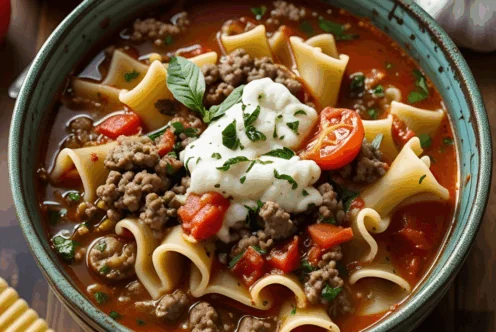
Warm Your Soul Lasagna Soup
Read More

Pear Lime Jello Salad
Read More